

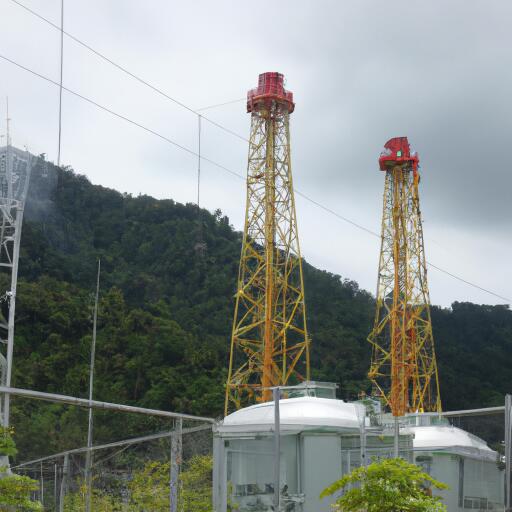
Gas now behind 80pc Sabah power supply
Sabah’s electricity mix has undergone a decisive shift, with natural gas now providing about 80 percent of the state’s power. State Works and Utility Minister Datuk Seri Dr Joachim Gunsalam said the transition is easing past concerns over diesel dependence and is laying the groundwork for a more reliable grid while renewable energy is scaled up.
Gas-led stability cuts exposure to oil volatility
The 80 percent gas share, averaged over the first quarter of 2026, is supplied via undersea pipelines from West Sabah to onshore facilities. The fuel is contracted at a fixed price, buffering the state from global commodity swings. Diesel and medium fuel oil currently account for roughly 10 percent of generation, a share the state expects to trim to 3.6 percent by the end of 2026 as mitigation measures continue.
Reserve margins rebound as new capacity arrives
Grid resilience has improved alongside the fuel shift. After slipping below 10 percent in 2023, Sabah’s generation reserve margin has recovered to around 21 percent. It is forecast to reach roughly 27 percent by mid-year when a 100-megawatt gas plant in Kimanis comes online. The Sabah Energy Council has also cleared two additional 200-megawatt gas projects at the same site, targeted for completion in 2028. When those units are operational, diesel and medium fuel oil use for power is expected to drop to below 1.5 percent.
Expanding east: new gas plans for Sandakan
Planning is underway for a gas-based power plant in Sandakan, aligned with anticipated offshore gas developments on the state’s east coast as early as 2029. If realized, it would be the first gas-fueled facility on Sabah’s eastern seaboard, helping to balance supply across the state.
Renewables push targets 2035 milestone
While gas plays a transitional role, Sabah is pursuing a broader clean energy buildout with the goal of reaching a 50 percent renewable share by 2035. Today, 236 megawatts of renewables are already operating. Projects in various stages of study, bidding, and implementation include:
- Large-scale solar: 450 MW
- Battery energy storage systems: 200 MW
- Potential wind capacity: 440 MW
- Hydropower: 1,054 MW
- Geothermal exploration in Tawau: about 100 MW
- Biomass from oil palm residues under evaluation
At the community level, the state is expanding solar hybrid and off-grid systems to reach rural and interior settlements. Hybrid mini-grids that combine diesel, solar, and batteries are being deployed to improve reliability and reduce fuel burn in remote areas.
Rural access: coordinated drive to universal electrification
These efforts are now coordinated through the Sabah Rural Electrification Committee (JELaS), established last year as a cross-agency platform. JELaS is tasked with delivering 100 percent rural electricity access by 2030, aligned with the Sabah Energy Roadmap and Master Plan 2040.
Why this transition matters
Shifting from diesel to pipeline gas reduces supply risk and can lower the grid’s emissions intensity while renewables and storage scale up. The improved reserve margin is a critical buffer against outages, and the geographic spread of new gas and renewable projects should strengthen regional reliability. The next phase will hinge on timely project delivery, transmission upgrades to integrate new capacity, and ensuring that rural electrification and community benefits keep pace with Sabah’s 2035 and 2040 energy goals.



Leave a Reply