

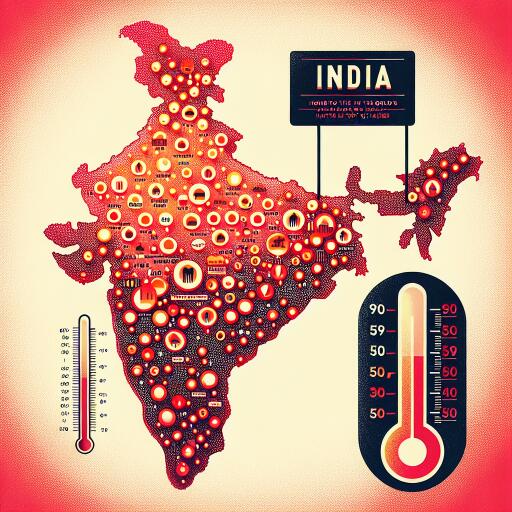
India Sizzles As 95 Of World’s Hottest Cities Cluster In Country – BW Sustainabilityworld
Large swathes of India are broiling under an early-season heat spell, with an astonishing 95 of the planet’s 100 hottest cities concentrated within the country. Temperatures have surged past 40°C in many places and are brushing 45°C in pockets, tightening the grip of extreme heat well before the core summer months.
Urban hubs and rural districts alike are reporting spikes far above typical norms for this time of year. The surge is straining public health systems, pushing up electricity demand for cooling, and heightening anxieties around water availability as reservoirs and groundwater face mounting pressure.
Red Flags From Meteorologists
India’s meteorological agency has cautioned residents to limit outdoor activity during peak afternoon hours, stay hydrated, and watch for signs of heat illness. The current outlook signals that heatwave conditions will linger over parts of northwest and central India in the next few days before easing gradually.
States and territories in the firing line include Jammu and Kashmir, Ladakh, Himachal Pradesh, Uttar Pradesh, Punjab, Haryana, and the National Capital Territory of Delhi. Cities such as Delhi, Lucknow, Nagpur, Akola, Bhubaneswar, and Bhopal are consistently running above seasonal averages.
When Nights Don’t Cool Down
Alongside scorching afternoons, some regions are experiencing unusually warm nights—conditions that prevent bodies from recovering from daytime heat and elevate risks for infants, the elderly, and those with chronic illnesses. Such nights are expected in isolated pockets of Punjab, Haryana, Chandigarh, Delhi, Uttar Pradesh, Madhya Pradesh, and Chhattisgarh.
Heat Here, Humidity There—And Rain Far Away
Dry, oppressive heat continues to dominate the north and central belt. Meanwhile, parts of the east and south are facing a different challenge: hot and humid conditions that can be equally hazardous due to reduced sweat evaporation. Odisha may see such weather in isolated areas, with Tamil Nadu, Puducherry, and Karaikal likely to persist with sultry conditions in the coming days.
In stark contrast, the Northeast is set for heavy to very heavy rainfall at isolated locations, particularly across Arunachal Pradesh, Assam, and Meghalaya—an illustration of the growing climate variability playing out across the subcontinent.
Power, Water, and Health Under Stress
Prolonged extreme heat fuels surging electricity demand as homes and businesses lean on air conditioning and cooling systems, increasing the risk of local outages. Water demand rises simultaneously, while heat-accelerated evaporation can drain surface sources more quickly. Health services brace for a rise in heat-related ailments, from dehydration and heat exhaustion to life-threatening heatstroke.
Why This Keeps Happening
Early and intense heatwaves are becoming more frequent as the climate warms, a pattern reinforced by urban heat island effects that trap warmth in densely built areas. Elevated nighttime temperatures amplify risk, extending heat stress around the clock. The clustering of extreme heat across a broad geographic swath, spanning both cities and hinterlands, signals a systemic shift rather than isolated anomalies.
Staying Safe: Practical Steps
- Limit strenuous outdoor work between late morning and early evening; reschedule to early morning or late night where possible.
- Hydrate regularly; avoid alcohol and excessive caffeine. Include oral rehydration solutions if working outdoors.
- Wear light, loose, breathable clothing and use hats or umbrellas; seek shade frequently.
- Check on older adults, infants, outdoor workers, and people with heart, respiratory, or kidney conditions.
- Never leave children, pets, or vulnerable individuals in parked vehicles.
- Cool indoor spaces efficiently: cross-ventilate at night if temperatures dip; use curtains or reflective films during the day.
- Conserve water and report leaks; anticipate higher demand during peak heat days.
What Authorities Are Watching
Local administrations are monitoring temperatures, issuing advisories, and preparing cooling centers where feasible. Power utilities are balancing load as demand spikes. Health departments are alerting clinics and hospitals to be ready for heat emergencies, while water boards assess supply stability amid elevated consumption.
The Road Ahead
As the heatwave persists through the short term, the focus remains on reducing immediate risks and preventing avoidable illness and death. The broader takeaway is clear: extreme heat is arriving earlier, lingering longer, and spreading wider. Strengthening heat action plans, expanding green cover, improving building design for passive cooling, and securing resilient water and energy systems will be essential to withstand the new normal.



Leave a Reply