

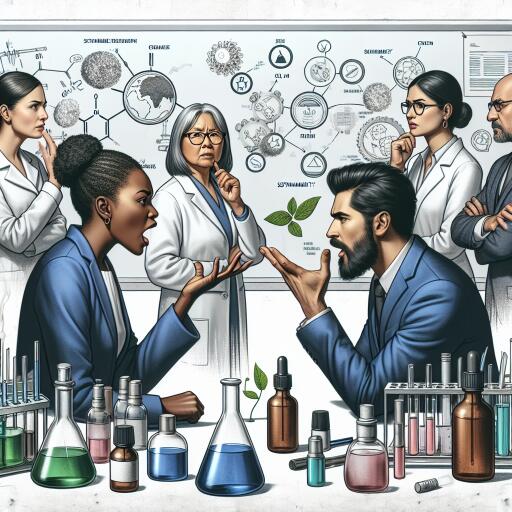
Scientists Urge Fragrance Industry to Transition from Sustainability Talk
A worldwide group of conservation scientists and biodiversity finance experts is calling on the perfume and aroma sector to pivot from glossy sustainability claims to concrete conservation finance baked into everyday business. Their message is simple but sweeping: if scents rely on the living library of plants, then fragrance brands must help fund the survival of that library—systematically, transparently, and at scale.
The stakes are enormous. Nearly half of Earth’s flowering plants—roughly 150,000 species—are now at risk of extinction. At the same time, fragrances are booming, with the market projected to leap from around $60 billion mid-decade to more than $100 billion within the next ten years. The industry draws on about 2,000 plant species for essential oils and natural extracts. That dependence on botanical diversity is both a vulnerability and a once-in-a-generation opportunity: the sector can either deepen the crisis through extraction that outruns regeneration, or help reverse it by channeling capital directly to conservation.
From Extraction to Inspiration
The coalition proposes a “conservation-first” product design model that flips the usual sourcing playbook. Instead of harvesting rare or threatened species to capture a specific aroma, perfumers would be guided by the idea of those plants—their ecology, chemistry, and cultural stories—then craft accords using safe and accessible ingredients. In other words, draw inspiration, not biomass. This keeps pressure off fragile populations while unleashing creativity in formulation.
Crucially, the model pairs product launches with real financing for on-the-ground partners in the very places those threatened plants live. A defined share of revenues flows to local conservation groups and community stewards, creating a direct line between a bottle on a shelf and protection of habitats in, for example, the Atlantic Forest, the Chocó cloud forests, the Caribbean basin, Mediterranean ecosystems, or remote Pacific islands. Consumers don’t just buy a scent; they help pay for nurseries, seed banks, community patrols, and habitat restoration.
Turning Storytelling into Stewardship
Fragrance has always been about narrative—mood, memory, place. Scientists argue the industry can use that narrative power to make plant diversity visible. Each scent can spotlight a species or ecosystem, explain why it matters, and show exactly how purchases support protection. Clear labeling, third-party verified claims, and progress updates can turn a passive consumer moment into an informed act of participation.
Addressing the “Selling Nature” Critique
Linking products to conservation has long drawn criticism for commodifying nature. The researchers acknowledge these concerns, but warn that rejecting private capital outright risks sidelining one of the few scalable funding streams available for hard-to-finance biodiversity goals. The answer, they say, is not to abandon market mechanisms, but to build robust safeguards around them.
Recommended guardrails include:
- Strict “no direct extraction” rules for threatened taxa and supply verification for all natural inputs.
- Free, prior, and informed consent with Indigenous Peoples and local communities, and fair, transparent benefit-sharing.
- Independent oversight of funds, with measurable outcomes such as hectares restored, populations stabilized, or seed collections expanded.
- Full disclosure across the product cycle—from concept and sourcing to who gets paid, how much, and what changes on the ground.
Technology can make these safeguards practical: digital ingredient traceability can deter laundering of illicit materials; metabolomics, green chemistry, and AI-aided perfumery can reduce pressure on wild plants by creating accurate, nature-positive accords; and open progress dashboards can show where money goes and what it accomplishes.
Finance That Flows to Forests
The proposed model ties fragrance launches to dedicated conservation funds, governed with clear rules and transparent audits. Revenue linked to a scent inspired by a vulnerable ecosystem would help pay for locally led priorities—land purchase, community monitoring, restoration, fire management, or ex-situ conservation. By committing multiyear support, brands move from episodic donations to dependable funding streams aligned with long-term ecological timelines.
Done well, this approach also advances environmental justice. Benefits should include both tangible assets—direct payments, jobs, equipment, and training—and intangible returns such as educational programs and cultural recognition. Respecting local knowledge and legal rights is not just an ethical baseline; it’s what makes conservation stick.
A Blueprint the Industry Can Scale
The scientists position this as a replicable template for the wider sector. Step one: embed biodiversity goals early in product development, not as an afterthought. Step two: replace risk-heavy inputs with inspired accords and verified naturals. Step three: lock in revenue-sharing mechanisms that fund partners in the landscapes that inspired the product. Step four: report outcomes publicly and iteratively improve.
If scaled across major houses and indie brands alike, the fragrance sector could become a consistent source of conservation finance—supporting threatened species while accelerating innovation in sustainable formulation. In a market hungry for authenticity, verifiable impact can become a competitive advantage rather than a compliance burden.
Why the Timing Matters
Plant extinctions erase options for medicine, materials, and cultural heritage—permanently. The fragrance industry, which depends on nature’s chemistry set for both naturals and inspired syntheses, has a particular responsibility to act. With consumer demand rising and biodiversity in freefall, aligning economic incentives with ecological outcomes is not just possible; it’s pragmatic.
Moving beyond sustainability talk means writing conservation into the business model: into briefs, formulas, contracts, and P&L statements. If perfume can capture a landscape in a bottle, it can also help keep that landscape alive.



Leave a Reply