

What are the environmental features of Ulawa Island? – Curious Expeditions
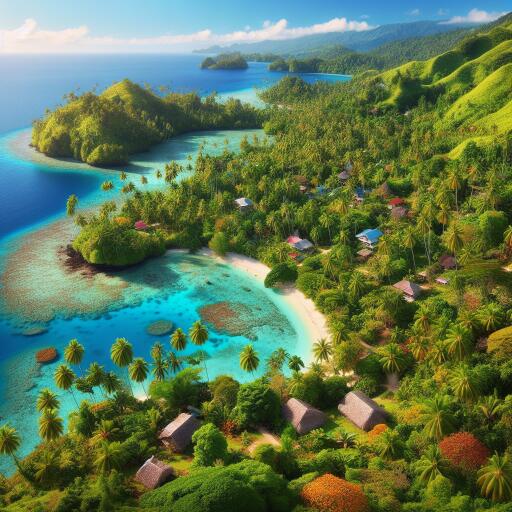
Remote yet resilient, Ulawa Island in the Solomon Islands is a mosaic of rainforests, reefs, and rugged volcanic terrain. Its ecological heart beats across steep green ridges and shallow coral gardens, where the fate of freshwater, fisheries, and forests are tightly intertwined. Understanding this living system is essential for safeguarding livelihoods and biodiversity in the face of rapid environmental change.
Geology and landforms: the island beneath the canopy
Ulawa’s bones are volcanic, although time and tropical weather have softened the landscape into low hills and rounded ridgelines. The island’s highest points are modest—about 200 meters—yet the varied elevation and aspect create a patchwork of microclimates. Fertile volcanic soils feed dense vegetation, while rocky outcrops and valleys shape wildlife pathways, water flow, and human settlement.
Climate and water: a monsoon-driven pulse
Ulawa lies in the tropical monsoon belt, where heat and humidity are constants and rainfall is generous. Rain sustains small streams, wetlands, and springs, and many households rely on a mix of rainwater harvesting and groundwater. Forest cover regulates this hydrological rhythm by storing water and moderating runoff; when trees fall, streams run muddier, dry-season flows shrink, and water security becomes fragile.
Terrestrial habitats: rainforest to sea edge
The island’s interior is cloaked in tropical rainforest rich with plants, insects, reptiles, and birds—some likely unique to the island or nearby islands, given Ulawa’s isolation. Along the coast, mangroves, beach forests, and littoral thickets buffer storm waves and salt spray, stabilize shorelines, and nourish nearshore fisheries with leaf litter and nursery habitat. The transition where rainforest meets the sea is a biodiversity hotspot and a corridor for species moving between feeding and breeding sites.
Marine life: coral reefs and seagrass meadows
Fringing reefs ring much of Ulawa, protecting coastlines and supporting food security. Coral communities typically include branching forms (such as staghorn-like Acropora), massive boulder corals like Porites, and encrusting species that cement reef frameworks. Seagrass beds in sheltered bays act as nurseries for juvenile fish and invertebrates and provide foraging grounds for sea turtles; sightings vary by season and site, and long-term data remain limited.
Pressures and turning points
- Forest loss and erosion: Commercial extraction and small-scale clearing reduce canopy cover, exposing soils to heavy rains. Sediment washed into rivers and lagoons can smother corals, clog streams, and diminish water quality.
- Fisheries stress: Overharvesting and destructive gear harm coral structure and deplete fish stocks that coastal communities depend on. Loss of herbivorous fish can tip reefs toward algal dominance.
- Climate shocks: Rising seas chew at low-lying shores; heatwaves drive coral bleaching; and shifts in storm and drought patterns strain both forests and freshwater systems.
- Waste and plastics: Marine debris accumulates on beaches and mangroves, entangling wildlife and contaminating nearshore habitats.
Local stewardship and pathways to resilience
Customary knowledge underpins many of Ulawa’s conservation opportunities. Seasonal closures and tabu areas can rebuild fish stocks and reduce pressure on vulnerable reef zones. In forests, community-led rules on logging and the adoption of agroforestry, contour planting, and longer fallow periods help retain soil and water. Rainwater capture systems, spring protection, and riparian buffers strengthen water security. On the coast, mangrove protection and targeted replanting restore natural barriers, while simple measures—like anchoring on sand, avoiding reef trampling, and reducing single-use plastics—support reef health. Establishing locally managed protected areas can knit these efforts together and attract technical support.
Key questions, answered
- What corals occur around Ulawa? A mix of branching, massive, and encrusting corals is typical, with genera such as Acropora and Porites common in the region. Exact composition varies by exposure, water clarity, and disturbance history.
- Are there endemic species? Isolation suggests endemism among insects and potentially some plants and birds. Comprehensive surveys are needed to confirm and catalog these species.
- Where does freshwater come from? Households draw on rain tanks, small streams, and groundwater. Forest cover and careful watershed management are key to dependable supplies.
- How is farming practiced? Subsistence gardens dominate, with root crops, fruit trees, and vegetables. Shifting cultivation persists in places; adopting soil-conserving methods reduces erosion and nutrient loss.
- What is the state of mangroves? Generally functional but locally threatened by clearing and coastal modification. Protection and community replanting stabilize shorelines and enhance fisheries.
- How vulnerable are coasts to sea-level rise? Villages in low-lying zones already face erosion and flooding. A blend of nature-based defenses (mangroves, reef health) and strategic relocation planning is prudent.
- Do marine megafauna use Ulawa’s waters? Sea turtles are known from the region, with nesting and foraging likely tied to specific beaches and seagrass areas. Data gaps make local protection of key habitats especially important.
- Is plastic pollution a problem? Yes—like many Pacific islands, Ulawa receives both local and drifting waste. Community clean-ups, waste reduction, and basic recycling initiatives can yield rapid benefits.
Outlook
Ulawa’s environmental tapestry—rainforest ridges, mangrove-fringed shores, and coral-ringed lagoons—remains vibrant but vulnerable. The tools for resilience already exist in community knowledge and nature-based solutions. By coupling local stewardship with supportive policy and science—monitoring fish stocks, mapping critical habitats, and securing watershed forests—the island can navigate climate pressures and safeguard the ecosystems that sustain its people.



Leave a Reply