

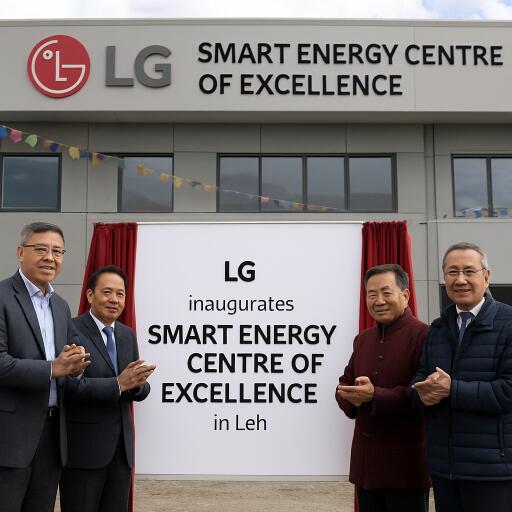
LG inaugurates Smart Energy Centre of Excellence in Leh – Daily Excelsior
Ladakh’s transition toward clean power and resilient infrastructure took a decisive step forward on July 11 as Lieutenant Governor Vinai Kumar Saxena inaugurated the Centre of Excellence for Smart Energy and Electrical Systems at the LREDA campus in Leh. Conceived for high-altitude conditions, the facility is designed to equip local youth, engineers, and technicians with advanced skills in renewable energy, industrial automation, and digital grid technologies tailored to the Himalayan region.
Positioned at the intersection of skilling, digitalization, and indigenous manufacturing, the Centre brings together advanced hardware, software, and training programs to build a workforce ready for next-generation energy systems. Its laboratory ecosystem spans a wide array of technologies that underpin modern low-carbon infrastructure and grid stability in challenging terrains.
What the new Centre offers
- Industrial automation labs featuring Programmable Logic Controllers (PLCs), Human Machine Interface (HMI) systems, and Supervisory Control and Data Acquisition (SCADA)
- Industrial Internet of Things (IIoT) applications for remote monitoring and analytics
- Smart electrical systems and Building Management Systems (BMS) for efficient power use
- Renewable energy technologies with an emphasis on solar photovoltaics and microgrid integration
- Electric vehicle (EV) charging infrastructure and energy management
- Fire and safety automation for critical facilities
In its first phase, the Centre will deliver hands-on courses in:
- Electrical installation and maintenance
- Industrial automation and controls
- Building Management Systems
- SCADA and IIoT implementation
- Solar PV design, deployment, and operations
- EV charging systems and integrated energy management
As the Energy Technology Partner, Schneider Electric will support the Centre’s curriculum and laboratory setup, while the Ladakh Autonomous Hill Development Council (LAHDC), Leh has provided the facility. The partnership aims to accelerate skill development in specialized domains such as high-altitude microgrids, renewable energy integration, PLC programming, SCADA operations, smart automation, and building energy optimization—competencies that are increasingly vital for remote, mountainous regions.
Why it matters for Ladakh
Ladakh’s vast solar potential, sparse population centers, and rugged topography create both opportunities and constraints for reliable power. The new Centre is set to bridge that gap by cultivating expertise in technologies that enhance grid resilience, reduce transmission losses, and expand access to clean energy. Training will prioritize practical competencies—like microgrid control strategies, real-time monitoring, and predictive maintenance—so that local professionals can design, operate, and troubleshoot systems in harsh climates and at high altitudes.
Officials emphasized that building a robust talent pipeline is essential for accelerating renewable projects, modernizing public infrastructure, and supporting the growth of electric mobility across the Union Territory. From public buildings managed via BMS to solar-and-storage microgrids that stabilize remote settlements, the facility’s focus aligns with Ladakh’s climate goals and energy security needs.
Expanding the impact
To extend the reach of advanced technical education, Schneider Electric indicated interest in developing a Youth Impact Cluster in Ladakh—anchored by a central hub and three to five satellite centers aligned with local industry requirements. A complementary hub in Kargil has also been proposed, widening access to specialized training and creating opportunities for cross-district collaboration in renewable energy and smart infrastructure.
Beyond immediate skilling, the initiative is expected to catalyze local entrepreneurship in areas such as EPC services for rooftop solar, O&M for microgrids, smart building retrofits, and EV charging deployment. By nurturing local capabilities, Ladakh can retain value within the region—lowering costs, cutting response times for maintenance, and ensuring that energy solutions are adapted to the realities of altitude, weather, and terrain.
Looking ahead
The Centre’s launch marks a strategic investment in both people and infrastructure, positioning Ladakh to lead in climate-resilient energy systems. As the facility ramps up training and applied research, it could become a model for other high-altitude regions seeking to integrate distributed renewables, intelligent controls, and efficient buildings—while creating dignified green jobs close to home.



Leave a Reply