

Effective What Biodiversity Restoration Method Works? – Green Packs
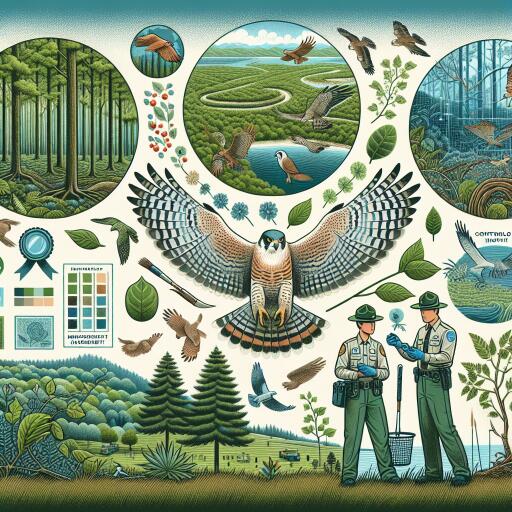
Biodiversity restoration plays a vital role in environmental conservation, centered on revitalizing ecosystems that have been impaired or obliterated. With human activities continually encroaching on natural habitats, the urgency for efficient restoration techniques has never been greater. These techniques strive to reintroduce vanished species, rejuvenate ecological functions, and bolster the general health of ecosystems. Whether dealing with a modest wetland or an expansive forest, understanding the most effective method for a particular environment is crucial for successful restoration.
Ecological Restoration: The Bedrock of Ecosystem Renewal
Ecological restoration encompasses strategic actions to restore the physical, functional, and dynamic integrity of ecosystems. This approach is often necessary when natural recovery processes lack effectiveness, requiring human assistance to stimulate natural functionality. Techniques range widely from planting native vegetation and eliminating non-native species to reintroducing native fauna. The primary objective is to recreate pre-disturbance conditions, fostering a more robust and biodiverse ecosystem.
Choosing the Optimal Restoration Strategy
No single restoration method is universally applicable across all environments. The ideal strategy hinges on factors such as the specific type of ecosystem, the level of degradation, and the resources available. Key stakeholders—including ecologists, land managers, and local communities—are integral to determining the most effective methods. This cooperative approach can lead to personalized restoration plans that address individual area challenges, thereby improving the likelihood of success.
Natural Regeneration: Allowing Nature to Heal Itself
Natural regeneration is a straightforward, yet potent, approach to restoring biodiversity. It involves letting ecosystems self-heal, relying on indigenous species and natural dynamics to revitalize biodiversity. By reducing human intervention, it preserves existing natural processes and minimizes the costs associated with more hands-on restoration practices. However, this method is contingent upon favorable initial conditions, often requiring the site to remain undisturbed for an extended period.
Reforestation: A Key Element of Ecosystem Revival
Reforestation features prominently in biodiversity restoration, particularly in severely degraded forest areas. This practice entails replanting native trees and flora, aiming to reconstruct habitats for numerous animal species. Careful selection of native plant species helps restore ecological balance, improving soil integrity, water retention, and habitat availability. Furthermore, reforestation contributes to carbon capture, serving as an effective dual-purpose strategy with climate mitigation benefits.
Wetland Restoration: Resurrecting Crucial Habitats
Wetlands are biodiverse powerhouses, delivering essential ecosystem services like flood mitigation and water purification. However, human interference has led to significant degradation and biodiversity loss in many wetlands. Restoring these areas often involves reinstating water flow, eradicating invasive species, and planting native flora. Successful wetland restoration not only boosts biodiversity but also enhances ecosystem services, benefiting surrounding communities with cleaner water and reduced flooding threats.
Reintroducing Species: Reawakening Ecological Harmony
When certain species have vanished from a region, species reintroduction emerges as a necessary restoration strategy. This process might involve relocating plants or animals back to their native habitats, aiming to restore ecological balance and function. Successful efforts necessitate thorough research to ensure species can prosper and positively influence their ecosystem. This entails understanding their ecological requirements, addressing potential threats, and fostering a supportive environment for their reestablishment.
Managing Invasive Species: Safeguarding Native Biodiversity
Addressing invasive species is another crucial facet of biodiversity restoration. Invasive organisms can dominate native ones, upsetting ecological harmony and even leading to local species extinction. Effective management methods include physical removal, chemical eradication, and biological controls, tailored to specific invasive threats and ecosystems. By managing these species, restoration efforts help protect native biodiversity, allowing native flora and fauna to thrive and increase ecosystem resilience.
Community Participation: The Key to Successful Restoration
The involvement of local communities is essential in any biodiversity restoration endeavor. Local populations possess invaluable understanding of their surroundings and may offer insights into significant species or traditional conservation methods. Encouraging local involvement builds a sense of investment in restoration efforts, enhancing the sustainability of practices over the long term. Educational and awareness initiatives further empower communities, elucidating the significance of biodiversity and their role in its preservation.
Monitoring and Adapting: Ensuring Ongoing Success
Restoration efforts extend beyond initial implementation. Ongoing monitoring is crucial for evaluating the efficacy of restoration methods and their ecological impact. This data can show if specific species are flourishing or if techniques need modification. Adaptive management allows for refining strategies in response to real-world results, ensuring restoration efforts adapt to changing environmental conditions and challenges. This dedication to continuous enhancement ultimately leads to successful, thriving ecosystems.
The Horizon of Biodiversity Restoration
As the 21st century progresses, biodiversity restoration methods must evolve to address new challenges, including climate change and resource limitations. Advances in technology and ecological science can enhance restoration efforts, providing innovative tools for ecosystem monitoring, mapping, and management. Moreover, fostering international collaboration can drive greater investments and knowledge exchange, ensuring biodiversity is not only restored but preserved for future generations.



Leave a Reply