

Delhi’s Air Quality Remains Poor, Warm February Days Raise Concerns – Yes Punjab News
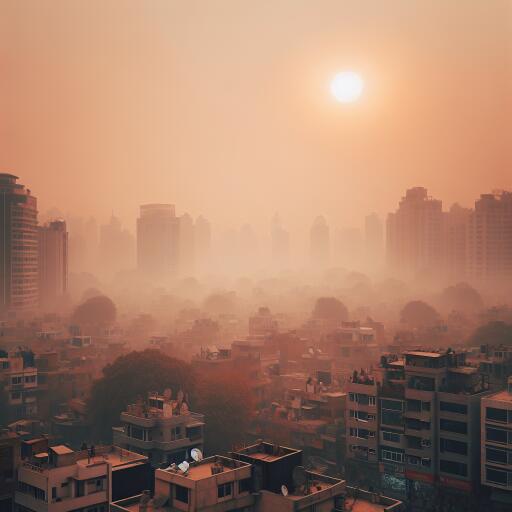
Delhi woke to a veil of haze and a light breeze on Friday, but the respite was cosmetic: the city’s Air Quality Index (AQI) stayed lodged in the poor category. Early morning temperatures hovered near 14°C, delivering a brief chill before the sun lifted daytime heat into territory more typical of early spring than late winter.
Monitoring stations across the capital painted a patchwork of pollution, with several neighbourhoods firmly in the poor range and a few pockets faring comparatively better. Among the worst-hit were:
- Anand Vihar: 280
- North Campus: 258
- Wazirpur: 238
- Jahangirpuri: 230
- Dwarka Sector-8: 228
- Mundka: 219
- R.K. Puram: 218
- Bawana: 213
- Chandni Chowk: 203
Other locations trended from moderate to poor, including Ashok Vihar (192), Narela (184), and Sonia Vihar (178). Comparatively cleaner readings were observed at Pusa (136), Mandir Marg (138), DTU (145), and IIT Delhi (147)—still not ideal, but measurably better than city hot spots.
Public health specialists urge caution for those with asthma, COPD, or heart conditions, particularly during early mornings when trapped cool air and lingering mist can intensify pollutant concentrations. Simple measures—avoiding strenuous outdoor exercise at dawn, choosing well-fitted masks (N95/N99), ventilating indoor spaces when levels dip, and using air purifiers where possible—can reduce exposure.
What’s compounding concern is the warmth. Despite a crisp start, afternoons are edging into uncomfortable territory for February. On Thursday, Delhi logged a maximum of 30.2°C and a minimum of 12.6°C, with a gentle breeze offering limited relief. Forecasts indicate the warmth is set to persist: through February 28 to March 4, daytime highs are likely to sit between 31°C and 33°C, while nights are expected to remain around 15–16°C. Skies should stay mostly clear over the Delhi-NCR region, with little day-to-day temperature change anticipated.
Two weak western disturbances are on the horizon, expected to brush the Western Himalayan region. Light rain and snowfall are likely between February 26–28 and again March 2–3, bringing increased cloud cover across Jammu & Kashmir, Himachal Pradesh, and Uttarakhand. These systems are not projected to meaningfully cleanse Delhi’s air, but brief shifts in wind and humidity can produce short-lived fluctuations.
From an ecological and climate perspective, this convergence of pollution and unseasonal warmth is hardly incidental. Late-winter inversions—cool air trapped near the surface under warmer layers aloft—can lock in fine particulates, while sluggish winds slow dispersion. Add warm, sunny afternoons and the recipe can also favour ozone formation, creating a two-front air-quality challenge: particulate pollution in the morning and photochemical smog potential later in the day.
Warmer-than-usual February days have been surfacing more often across north India. While individual days don’t define long-term trends, the pattern aligns with broader observations of wintertime warming. In megacities like Delhi, the urban heat island effect further amplifies temperatures, turning built-up areas into heat reservoirs that radiate warmth well into the evening—conditions that can aggravate respiratory stress when combined with poor air quality.
For residents, practical steps can help navigate the coming days:
- Time outdoor activities for late morning or early afternoon, when haze often thins, and avoid peak traffic corridors.
- Use certified respirators during commutes or exercise if pollution remains elevated.
- Stay hydrated and seek shade during peak sun to manage heat stress.
- Reduce personal emissions—avoid waste burning, limit generator use, and opt for public transport or carpooling where possible.
For the city, the current spell underscores familiar priorities: accelerated transition to cleaner transport and fuels, dust control on construction sites, stronger enforcement against open burning, and regionally coordinated action on crop-residue smoke. As temperatures edge upward earlier in the year, integrating heat and air-quality management—through early warnings, cool-roof programs, and rapid response to high-pollution episodes—will be critical to protecting public health.
In the immediate term, residents should plan for warm afternoons and persistently subpar air. While brief meteorological shifts may bring minor reprieves, a sustained improvement will depend on structural measures that cut emissions at the source—on roads, at worksites, and across the wider airshed that Delhi shares with its neighbours.



Leave a Reply