

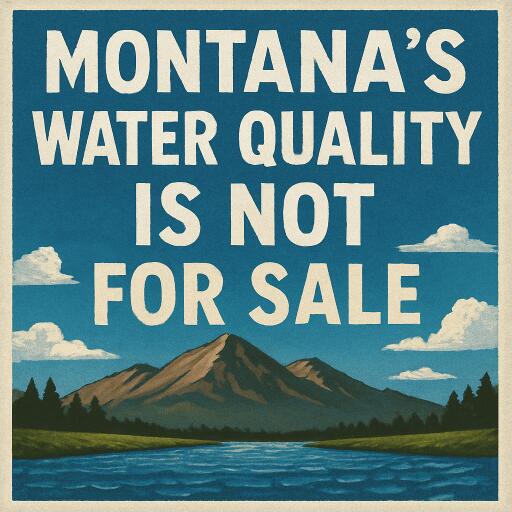
Montana’s water quality is not for sale
Montana has long been defined by its rivers, lakes, and underground aquifers. The state’s reputation for clear water did not happen by accident. It was built on strong standards that limited pollution before damage could spread. Now, that foundation is being challenged by a proposed shift in how water contamination is judged and regulated, raising alarms among residents and environmental advocates who see the change as a major retreat from prevention.
At the heart of the dispute is nutrient pollution, especially nitrogen and phosphorus. In small amounts, these chemicals are part of natural ecosystems. In excess, they fuel algae blooms, reduce oxygen in the water, and can trigger severe ecological decline. The traditional approach has been straightforward: set measurable limits and stop pollution before waterways show signs of collapse. The new direction under consideration moves away from that model and toward looser standards based more on observation after harm appears.
Critics argue that this change reverses decades of progress. Instead of placing strict numeric boundaries on pollutants, the proposal would rely more heavily on broad interpretations and delayed biological assessments. In practical terms, that means a stream or river may need to show visible deterioration over time before regulators officially recognize it as impaired. By then, the ecological damage may already be extensive.
This is more than a technical policy debate. It directly affects how wastewater systems, developers, and other dischargers are held accountable. If enforcement only arrives after repeated signs of damage in a waterway, pollution sources can continue operating for years without major upgrades. That delay can spare industries and utilities from immediate costs, but the burden does not disappear. It shifts to nearby communities, private landowners, anglers, boaters, and taxpayers who depend on clean water for health, recreation, and local prosperity.
Opponents of the proposed framework say it creates exactly that kind of imbalance. By allowing more room for interpretation and slower regulatory action, it could make it easier for polluters to postpone investments in better treatment technology. Rather than stopping nutrients at the source, the state would be accepting a model in which contamination is tolerated until the consequences become impossible to ignore.
Such a strategy carries special risks in western Montana, where watersheds are tightly connected. Pollutants released into groundwater or tributary streams do not simply vanish. They travel, collect, and intensify downstream. Large lakes are especially vulnerable because they can act as long-term nutrient reservoirs. Once excess nitrogen and phosphorus begin accumulating, the result can be a drawn-out ecological decline marked by murky water, cyanobacteria outbreaks, and stressed fish habitat.
Concerns become even sharper in places where growth is accelerating. Expanding subdivisions, wastewater systems, and commercial development all increase pressure on fragile water resources. When regulators choose flexibility over firm pollution caps, critics say the system begins to favor short-term construction and lower compliance costs over long-term ecological stability. That may look efficient on paper, but it can become extremely costly when cleanup, habitat restoration, and lost tourism revenue enter the picture.
In areas tied to iconic lakes and trout streams, the stakes are both environmental and economic. Clean water supports fishing, paddling, wildlife viewing, and the broader outdoor economy that many Montana communities rely on. It also underpins property values and public trust. Once a lake becomes known for algae blooms or a river gains a reputation for declining health, recovery is difficult and expensive. Prevention is far cheaper than repair.
Another concern raised by opponents is the increasing role of discretionary judgment in enforcement. Numeric standards are imperfect, but they provide clarity. Everyone knows the target, and everyone knows when it has been exceeded. A more subjective framework can open the door to inconsistent decisions shaped by politics, budget constraints, or development pressure. In that environment, water protection may depend less on science and more on what regulators are willing to tolerate.
For many Montanans, that is the core issue. Water policy should not wait for visible distress before taking action. Rivers should not need to turn green, and fish should not need to disappear, before pollution is treated as a problem. A preventative system exists precisely because ecosystems often cross invisible thresholds long before the public sees dramatic signs of damage.
The fight over water standards also reflects a larger question about what kind of future Montana wants. One path treats clean water as a non-negotiable public asset, essential to public health, biodiversity, and the state’s identity. The other treats it as a variable that can be adjusted when stronger safeguards are seen as inconvenient or expensive. That tradeoff may benefit some interests in the short term, but it risks undermining the natural systems that support communities for generations.
Montana’s constitution recognizes a strong public interest in a clean and healthful environment. That principle means little if water protections can be weakened whenever compliance becomes politically uncomfortable. Clean lakes and streams are not luxury features to preserve only when costs are low. They are the infrastructure beneath the state’s economy, culture, and quality of life.
As debate continues over the proposed regulatory changes, one message is becoming increasingly clear from critics: water quality should not be bargained away for convenience. Once rivers and lakes absorb too much pollution, no policy memo can quickly restore what was lost. If Montana wants to keep its waters fishable, swimmable, and truly alive, prevention must remain stronger than permission.



Leave a Reply