

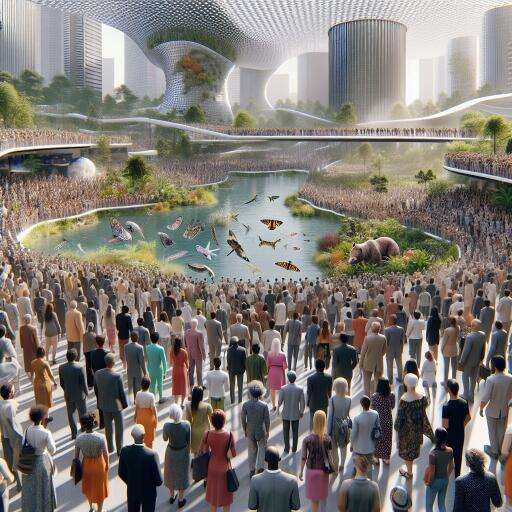
Riyadh Expo 2030, Imam Abdulaziz Reserve partner to release wildlife, boost biodiversity
A new wave of species reintroductions is underway in central Saudi Arabia as the Imam Abdulaziz bin Mohammed Royal Reserve Development Authority, working alongside Riyadh Expo 2030, released native wildlife into protected habitats. The latest phase includes 80 spiny-tailed lizards, part of a wider program designed to ensure the country’s flagship Expo project advances in step with nature-positive development.
Release sites were chosen after detailed field assessments to match each species with suitable terrain, vegetation, and shelter. Teams are combining remote monitoring and on-the-ground surveys to track adaptation and behavior over time, creating a feedback loop that helps fine-tune management decisions. The approach reflects a growing trend in conservation: pairing large-scale infrastructure with measurable biodiversity gains.
Planners say the work is about more than moving animals; it’s about restoring the ecological functions they provide. Reintroductions like these can stabilize food webs, disperse seeds, and curb pest outbreaks, ultimately improving the resilience of desert ecosystems. By embedding environmental monitoring into the development of the Expo 2030 site, the initiative aims to set a benchmark for responsible growth under the Kingdom’s broader sustainability goals.
Early indicators point to progress. By the midpoint of the second quarter of 2026, conservation teams recorded 55 wildlife births across the Imam Abdulaziz Royal Reserve and the neighboring King Khalid Royal Reserve. Forty of those births occurred within the Imam Abdulaziz reserve. The tally includes nine Arabian oryx and 46 sand gazelles—iconic species whose return signals a healthier, more balanced landscape.
These outcomes build on years of groundwork: habitat restoration, controlled releases, and careful management to limit stressors such as poaching, vehicle intrusion, and habitat fragmentation. Conservation specialists emphasize that success depends on long-term continuity—seasonal checks, adaptive management as conditions shift, and ongoing community engagement to keep human–wildlife coexistence on track.
For Riyadh Expo 2030, the partnership underscores a commitment to sustainability that extends beyond energy-efficient buildings and waste reduction. Integrating biodiversity targets into the planning fabric helps ensure that new infrastructure does not simply avoid harm but actively regenerates natural capital. With desert species returning and breeding, the reserves are emerging as living laboratories for how technology, data, and ecological stewardship can work together—setting a precedent for future projects across the region.



Leave a Reply