

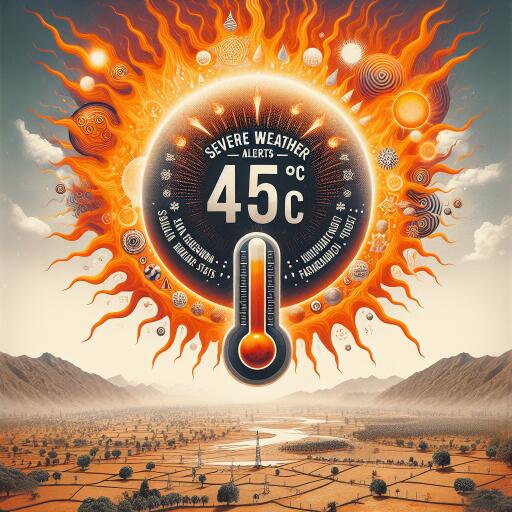
Heatwave Grips Punjab: Faridkot Crosses 45°C Mark; IMD Issues Severe Weather Alerts – Punjabi News Punjabi News
Punishing summer heat has tightened its grip on Punjab and Chandigarh, pushing temperatures to levels not seen this season. Faridkot led the spike at a scorching 45.2°C, while regional averages climbed roughly 4.9°C above normal. The extreme conditions are straining daily routines, public health systems, and farm operations—hallmarks of a heat episode that is arriving earlier and hitting harder than many communities are prepared for.
Severe heat triggers alerts and urgent precautions
The India Meteorological Department (IMD) in Chandigarh has issued heat-related advisories across multiple districts, warning of heatwave to severe heatwave conditions in several pockets. Prolonged exposure can rapidly lead to heat exhaustion or heatstroke, particularly among outdoor workers, the elderly, infants, and people with chronic illnesses. Cities with dense construction and limited tree cover are at additional risk due to the urban heat island effect, which can keep night-time temperatures uncomfortably high and reduce the body’s ability to recover.
Public health guidance: how to stay safe
- Hydrate frequently with water and oral rehydration solutions; avoid alcohol and excessive caffeine.
- Limit outdoor activity between late morning and late afternoon; schedule heavy tasks for early morning or evening.
- Wear light, loose, breathable clothing; cover the head with a hat or cloth when outside.
- Seek shade or cooled spaces; use fans and cool showers to lower body temperature.
- Never leave children, older adults, or pets in parked vehicles, even briefly.
- Check on neighbors and family members who live alone, especially seniors and those with heart, kidney, or respiratory conditions.
- For outdoor workers, implement work–rest cycles, shaded breaks, and electrolyte replenishment.
- For livestock, ensure constant access to water and shade; avoid transporting animals during peak heat.
Daily life under stress
Extended heatwaves disrupt nearly every sector. In towns and cities, water demand surges while pipelines and storage systems strain to keep up. Electricity consumption jumps as households and businesses rely on fans and coolers for relief, increasing the likelihood of localized outages. Public transit commuters face heightened heat exposure on platforms and buses, while schools and construction crews consider reduced hours to protect students and workers.
Rural communities face added pressures. Early-season heat can desiccate topsoil, making field preparation more arduous and stressing horticultural crops. Dairy yields may dip if animals are not adequately cooled and hydrated. In the longer term, recurring hot spells can erode productivity by shortening growing windows and increasing irrigation needs—especially where groundwater reserves are already stressed.
Why it feels hotter: climate context and urban design
Heatwaves are becoming more frequent, longer, and more intense across South Asia, a trend consistent with a warming climate. In many urban areas of Punjab and the Union Territory, heat is amplified by dark surfaces, limited tree canopy, and concrete-heavy neighborhoods. Expanding shade through street trees, cool or reflective roofing, and better ventilation around buildings can reduce temperatures locally, lowering health risks and energy use during future hot spells.
What the forecast suggests
Despite the current intensity, a change is on the horizon. A fresh Western Disturbance is expected to influence the region soon, potentially bringing gusty winds, patchy cloud cover, and isolated thunderstorms or light showers in some areas. Even brief precipitation and increased cloudiness can shave a few degrees off daytime highs. However, residents should be prepared for lingering warmth and a potential rise in humidity after any rainfall, which can make conditions feel muggy despite slightly lower temperatures.
Authorities and residents should continue monitoring updates from weather agencies and local administrations. Shifting conditions can bring quick-onset storms, so secure loose items outdoors and plan travel accordingly.
How communities can reduce heat risks now
- Local bodies can open public buildings as cooling shelters during peak hours.
- Health departments can expand heatstroke awareness campaigns and ensure clinics are stocked with essential supplies for heat-related emergencies.
- Utility providers can communicate peak-load times and promote energy-saving measures to ease pressure on the grid.
- Neighborhoods can coordinate tree-watering and temporary shading for bus stops and markets.
- Schools and employers can adjust timings to reduce exposure during the hottest part of the day.
Bottom line
Punjab and Chandigarh are contending with a severe heat spell marked by exceptional temperatures—peaking at 45.2°C in Faridkot—and a regional average well above seasonal norms. While a Western Disturbance may offer some respite, the immediate priority is safeguarding health and conserving essential services. Practical, community-level actions—combined with timely alerts and individual precautions—can significantly reduce risk as the region navigates this bout of extreme heat.



Leave a Reply