

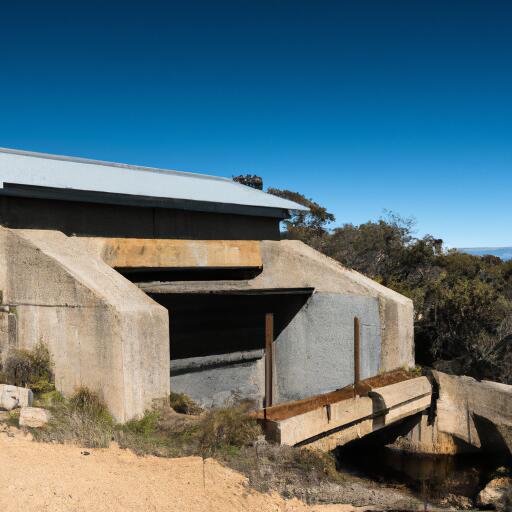
Small hydro power scheme prioritises reliable power generation in challenging terrains
India has cleared a five-year Small Hydro Power Development Scheme (2026–31) with an outlay of Rs 2,584.60 crore to catalyse 1,500 MW of new capacity. The programme is designed to deliver dependable, decentralised electricity in rugged landscapes—particularly hill districts and the North-Eastern states—where other renewable options can be hard to site or integrate.
Closing the gap in untapped potential
Across the country, small hydropower (SHP) potential is mapped at 21,133.61 MW, spread over 7,133 identified sites. About 5,171 MW—roughly a quarter of the resource—has been commissioned so far, leaving more than 15,960 MW still available. The new scheme aims to speed up development through targeted support and collaboration with state agencies and private developers.
What the programme supports
- Project size: New projects in the 1–25 MW range across multiple states.
- Capacity target: Approximately 1,500 MW of additional SHP by 2031, with priority for hilly and North-Eastern regions that face energy access constraints but possess strong hydro potential.
- Financing signal: The initiative is expected to mobilise around Rs 15,000 crore in investments across the SHP value chain.
- Domestic value chains: Emphasis on indigenous plant and machinery to strengthen self-reliance in clean energy equipment and reinforce local manufacturing and supply networks.
- Project pipeline: Support for Detailed Project Reports (DPRs) covering at least 200 projects, backed by a separate Rs 30 crore allocation to help central and state agencies build a robust pipeline.
Why small hydro suits rugged landscapes
In steep valleys and remote watersheds, small hydropower is often a better fit than large dams or utility-scale solar and wind. SHP commonly relies on run-of-river or low-head designs that limit land submergence, while delivering steady and predictable output. In cloud-prone or forested regions where solar irradiation is inconsistent and wind speeds fluctuate, SHP can anchor rural feeders and provide reliable power for essential services, from clinics and schools to cold storage and agro-processing.
Located close to demand centres, small hydro can trim transmission losses and displace diesel in hard-to-reach settlements. With modern controls and, where appropriate, local storage, SHP can also help manage variability from distributed solar, improving overall reliability for mini-grids and distribution networks.
Regional boost for hills and the North-East
The scheme’s design gives precedence to geographies rich in micro-catchments but underserved by reliable power. Prioritising these states can unlock wider social and economic benefits: productive irrigation, rural enterprises, and steady electricity for public services. In districts where monsoon-fed streams provide seasonal abundance, carefully sited small plants can harness flows while keeping community and ecological needs in focus.
Building responsibly
Scaling SHP demands rigorous planning and local participation. Best practice includes safeguarding environmental flows, providing fish-friendly passages where relevant, and managing sediment to protect both turbines and river ecosystems. DPRs supported under the scheme will be central to hydrological analysis, biodiversity considerations, and climate resilience—covering flood safety, extreme weather preparedness, and long-term operations and maintenance.
What to watch next
- Timely preparation and approval of DPRs to move identified sites into construction-ready projects.
- Quality and capacity of domestic manufacturing for turbines, generators, controls, and balance-of-plant equipment.
- Grid and mini-grid integration to secure reliable offtake, fair tariffs, and on-time payments to developers and operators.
- Transparent benefit-sharing and community engagement to align project design with local priorities and livelihoods.
As solar and wind grow rapidly, small hydropower can fill a crucial reliability niche—bringing firm, low-carbon electricity to places where geography makes other solutions harder to deploy. With focused support for project development, local manufacturing, and resilient design, the 2026–31 scheme has the potential to turn thousands of mapped sites into dependable, community-serving power assets.



Leave a Reply