

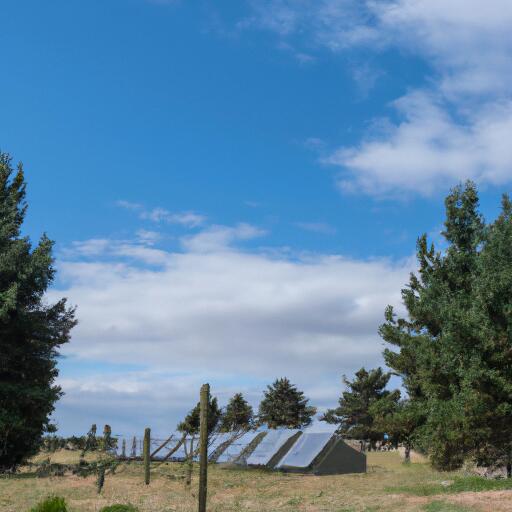
Field used by horses to graze to be turned into battery storage facility
A quiet pasture on the edge of the Marchwood Bypass in the New Forest is set to become a grid-scale battery storage hub after district councillors granted planning permission.
New Forest District Council’s planning committee voted unanimously to approve the scheme from Sky UK Developments Ltd for a 1.6-hectare plot opposite Hounsdown Business Park. The field, currently used for horse grazing, would be accessed from the southbound on-slip of the bypass.
The project comprises 24 battery containers paired with transformer units, alongside two substations, eight water storage tanks and a container for spare parts. Once operational, the installation will capture surplus electricity when supply is high—typically on windy or sunny days—and discharge it back to the grid during periods of peak demand.
Despite the green light, the facility is unlikely to switch on this side of the decade. The connection to the local Grid Supply Point at Bury Brickfield Park, roughly one kilometre away, is not expected until 2035. In response, councillors extended the standard start date, granting an eight-year window for work to begin. The battery facility is intended to run for around 30 years before being decommissioned.
The applicant’s planning representative said the scheme addresses the UK’s need to expand low-carbon infrastructure, supporting national aims for a largely decarbonised power system by 2030 and net zero by mid-century. Strengthening storage capacity, they argued, will reduce reliance on imported electricity and gas by making better use of home-grown renewable energy.
Grid connection works will be delivered by Scottish and Southern Electricity Networks, with the cable proposed to be laid underground for its full length and routed along public roads where feasible to limit disruption.
Battery storage does not generate electricity, but it plays an increasingly pivotal role in the energy transition. By shifting energy through time—so-called arbitrage and frequency response—banks of batteries can smooth out variability from wind and solar, cut wastage from curtailment and reduce the need for fossil-fuelled peaker plants at times of stress on the system.
For the local area, the change of use from grazing land raises familiar planning considerations: traffic during construction, visual impact near the bypass, fire safety, noise from inverters and transformers, and ecological effects. The design includes on-site water tanks associated with fire protection systems. Undergrounding of the grid cable should help limit above-ground disturbance, while access via the existing slip road concentrates construction traffic on established routes.
Committee members noted that investor interest is strong—the scheme is backed by a major European renewables investor—yet delivery is gated by transmission and distribution capacity constraints affecting clean-energy projects nationwide. Granting a longer period to commence is intended to keep the permission viable until the network connection becomes available.
Once live, the project is expected to operate largely unattended, with periodic maintenance visits. At the end of its lifespan, equipment would be removed and the site restored under decommissioning conditions set by the council.
Approval of this project adds to a growing cluster of storage sites across southern England, part of a broader build-out required to stabilise a cleaner grid. While residents will wait years to see the first cabinets installed, the decision signals the council’s willingness to accommodate infrastructure that underpins the shift to renewable power.



Leave a Reply