

Firm gets nod to use NTDC network for renewable project
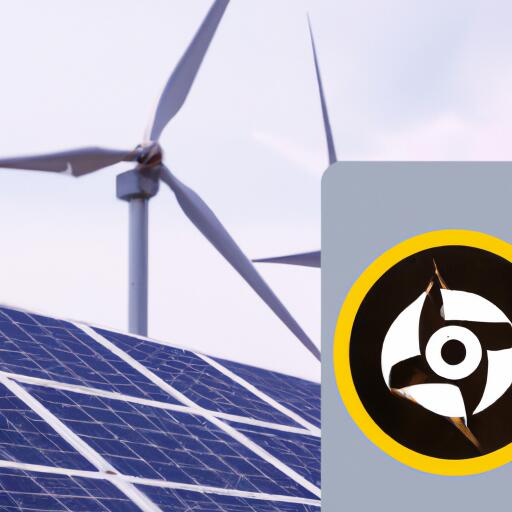
Moro Power Company (MPC) has received clearance to wheel electricity through the National Transmission and Despatch Company (NTDC) network for a 100-megawatt hybrid wind–solar development, advancing Sindh’s first large-scale business-to-business renewable energy supply model.
Under the Sindh Electric Power Regulatory Authority’s framework, the project will supply power directly to industrial consumers, with delivery facilitated via the Sindh Transmission and Despatch Company. Approval from the Independent System and Market Operator (ISMO)—an autonomous entity under the federal Power Division—allows MPC to use the national grid to deliver renewable electricity to eligible buyers, including B2B customers across Pakistan.
This move aligns with the Competitive Trading Bilateral Contract Market (CTBCM) reforms, which aim to open Pakistan’s power sector to direct contracts between generators and large consumers. By enabling private wheeling over the NTDC backbone, the project is positioned to deliver competitively priced clean energy to clusters of energy-intensive industries, reducing exposure to volatile fossil fuel costs and shrinking industrial carbon footprints.
MPC’s initial offtake focus includes major facilities in the Nooriabad Industrial Estate—such as Naveena Steel, Popular Septic, and Suraj Textiles—as well as additional industrial units in and around Port Qasim. Access to a diversified industrial client base is expected to support better demand matching and enhance the financial resilience of the hybrid plant.
The Sindh government has earmarked 300 acres in the Jhimpir corridor for the project. The configuration combines an estimated 65 megawatts of wind capacity with 35 megawatts of solar photovoltaics. Pairing the two technologies helps smooth output: wind in Jhimpir often complements daytime solar generation, reducing variability and improving capacity utilization without relying solely on storage. This hybrid approach can also lower curtailment risk and ease pressure on the grid during peak demand windows.
Jhimpir remains the epicenter of Pakistan’s wind industry, already hosting dozens of projects with roughly 1,845 megawatts of installed capacity. Adding a hybrid B2B plant within this mature ecosystem leverages proven wind resources, existing transmission corridors, and operational know-how—key factors for accelerating clean energy delivery to the industrial sector.
Allowing direct grid access for private renewable generators represents a structural shift with implications beyond a single project. For manufacturers, long-term bilateral contracts for wind–solar power can stabilize electricity costs, hedge against fuel price shocks, and support export competitiveness by lowering embedded emissions. For the grid, well-sited hybrid plants can diversify supply, reduce reliance on thermal generation during daylight hours, and contribute to provincial and national climate commitments.
Next steps typically include finalizing bilateral agreements with industrial buyers, completing detailed interconnection and dispatch arrangements with ISMO and relevant transmission entities, and aligning metering and settlement protocols under CTBCM rules. While project timelines were not disclosed, the regulatory green light for using NTDC’s network is a notable milestone that often precedes financial close and construction mobilization.
As Pakistan’s power market evolves, projects like MPC’s Jhimpir hybrid could serve as templates for other industrial zones, from Nooriabad to Port Qasim and beyond. If replicated, this model could help relieve grid bottlenecks, reduce power costs for large consumers, and stimulate local supply chains for turbines, panels, and balance-of-plant services—delivering both environmental gains and economic dividends.



Leave a Reply