

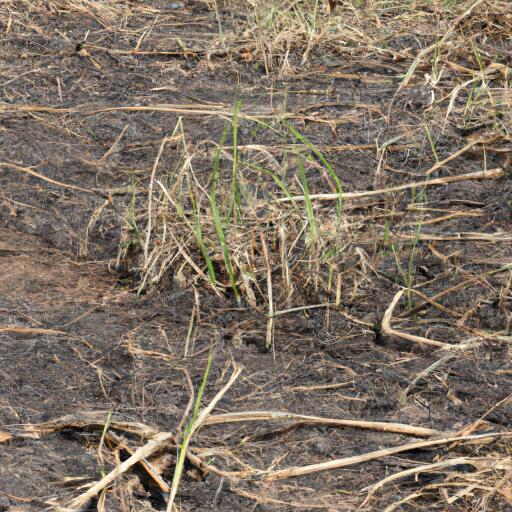
How burnt stubble could instead power rural cold chains
Every winter, the same paradox plays out across North India: fields flush with crop residue are set ablaze, while nearby farmers lose a chunk of their harvest to the absence of reliable, affordable cold storage. What looks like two separate crises—air pollution and post-harvest loss—are, in fact, parts of a single solvable problem. Crop residue, especially paddy straw, is an abundant, local fuel that can run decentralised, biomass-powered cold rooms, preserving fruits and vegetables, boosting rural incomes, and cutting emissions on two fronts.
From smoke to energy
India’s farm sector, the backbone of the economy, generates far more biomass than current systems can absorb. A large fraction of agricultural residue is still left unused, and in paddy-growing belts such as Punjab and Haryana, burning has become entrenched in the paddy–wheat cycle. Short sowing windows, labour shortages, and mechanised harvesting that leaves behind tough stubble make open burning the fastest—if most damaging—way to clear fields.
Rice straw has limited fodder value and relatively few high-value industrial uses. Awareness and access to scientific residue management remains uneven. As a result, seasonal smoke plumes release CO₂, methane, nitrogen oxides and fine particulates, while repeated burning also erodes soil health.
Recent seasonal estimates illustrate the scale of the challenge. In 2023–24, the three key states produced vast amounts of paddy straw: Haryana around 7 million tonnes, Punjab roughly 20 million tonnes, and Uttar Pradesh nearly 28 million tonnes. Significant portions of this were still burnt in the field.
An untapped power resource
Government assessments indicate that surplus agricultural residues could support roughly 28,000+ MW of power generation, with bagasse-based cogeneration adding almost 14,000 MW more. Together, this points to a resource base exceeding 42,000 MW—enough to anchor a robust, decentralised clean energy supply if the logistics, markets, and equipment are in place.
Multiple policies already push in that direction: subsidies for in-situ residue management machinery; mandates for coal plants to co-fire a small share of biomass; programmes to convert residues into compressed biogas; and grants for pelletisation and torrefaction. Yet uptake has lagged. Machines are expensive, residue collection and storage are hard to organise, biomass markets remain patchy, and farmers still default to burning because the alternatives seem costly or complicated at the farm gate.
Biomass-cooled cold rooms: a practical bridge
Cold rooms powered by locally sourced biomass change the equation. They are designed for rural clusters, avoid heavy dependence on the grid, and are less capital intensive than many solar–grid hybrids.
- A typical 20-tonne cold room operating around 300 days a year can be installed at roughly ₹15 lakh, with annual operating costs near ₹2.45 lakh, including about ₹1.5 lakh worth of stubble as fuel.
- A grid-only system may cost less upfront (around ₹8 lakh) but is usually more expensive to run over time due to high electricity bills and unreliable supply.
- Solar–grid hybrids often require the highest capital (around ₹16 lakh) and still incur relatively high annual expenses.
Because the fuel is a local agricultural by-product, these systems reduce both grid loads and field burning. Year-round availability, safe storage of biomass, and technical operation are real considerations—but they’re manageable. Farmer Producer Organisations can aggregate residues and negotiate supply; entrepreneurs can run the units with routine service contracts; and users can be trained in basic maintenance and post-harvest handling.
Proof from the field
In Maharashtra’s Ahmednagar district, a biomass-powered cold room helped lemon growers hold their produce during glut periods and sell when prices recovered—from about ₹14 per kilogram at the low point to roughly ₹33–45 per kilogram. Electricity use dropped by nearly 90 percent compared to grid-reliant setups, and each unit avoided around 40 tonnes of CO₂ emissions annually. Many operators also bundle training in sorting, grading and packaging, and connect farmers to better markets, compounding the economic gains.
Designing for reliability
To scale this model, three enablers matter:
- Fuel logistics: Aggregation hubs for residue collection, simple drying and storage protocols, and pelletisation or briquetting where viable to improve fuel density and handling.
- Service ecosystems: Local technicians and scheduled maintenance keep uptime high; remote monitoring can help optimise fuel use and temperature control.
- Finance and ownership: FPOs or rural micro-entrepreneurs can own and operate units, with pay-per-use cold storage fees. Blended finance and performance-linked incentives can lower risk and speed adoption.
These cold rooms work best as part of a local mini-ecosystem: residue flows from fields to storage; fuel powers cooling; farmers bring in produce immediately after harvest; and a service provider maintains the system while coordinating market linkages. The result is a circular model that keeps value within the community.
Cleaner air, stronger incomes
Open burning may be fast, but it is a costly habit—damaging air quality, degrading soil, and wasting a resource that could stabilise rural incomes. By converting stubble into a dependable energy stream for decentralised cold storage, India can tackle post-harvest losses and seasonal smoke at the same time. The technology exists, policy scaffolding largely exists, and pilot successes show what’s possible. What’s needed now is targeted deployment aligned with crop clusters, service and fuel supply partnerships, and financing that rewards performance.
Treating residue as energy—rather than waste—can clean the winter skies, fortify rural cold chains, and put more earnings in farmers’ pockets. The sooner we stop burning this opportunity, the faster we can build a cooler, cleaner, and more resilient food system.



Leave a Reply