

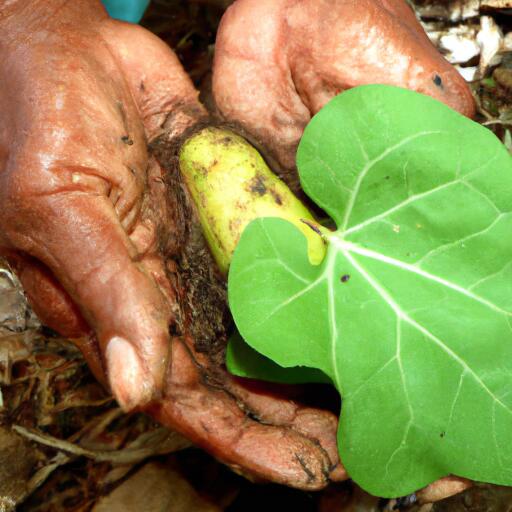
The importance of financing agri-food systems to meet our climate goals
The climate crisis has made the future of food inseparable from the future of the planet. Heatwaves, floods, and prolonged droughts are already reshaping what farmers can grow and how food reaches our plates. At the same time, agriculture and land use collectively contribute roughly a third of global greenhouse gas emissions. Any credible climate strategy must therefore put food systems at its core.
Transforming how we produce, process, and consume food will not happen through technology or policy alone. It requires a deliberate overhaul of how capital is allocated across the value chain—from fields and forests to storage, logistics, and retail. Finance is the missing catalyst: without it, ambition stalls; with it, change accelerates.
Why money matters more than ever
Funding agri-food systems is not simply about providing loans or subsidies to farmers. It is about aligning financial flows with climate objectives so that the easiest, cheapest option becomes the most sustainable one. That means backing practices that cut emissions, restore soils, conserve water, and build resilience to shocks—while ensuring livelihoods are protected.
Emissions stem from deforestation to expand cropland and pasture, methane from livestock, and energy- and input-intensive production methods. Meanwhile, climate extremes are undermining yields, destabilizing supply chains, and heightening food insecurity. Finance can flip these dynamics by rewarding regeneration instead of depletion.
The financing gap that keeps farmers stuck
Smallholder farmers—who grow a large share of the world’s food—struggle to access affordable credit, insurance, and working capital. Commercial lenders often view agriculture as too risky due to volatile weather, price swings, and limited collateral. Public budgets are stretched, and private investors tend to chase quicker returns elsewhere. The result is a chronic underinvestment that locks producers into practices that degrade land, waste water, and expose communities to climate shocks.
Mechanisms that can move capital at scale
Closing this gap requires tools that blend impact with bankability:
- Blended finance and guarantees to de-risk investments and crowd in private capital.
- Sustainability-linked loans and green bonds that reward verified climate outcomes.
- Results-based payments that compensate farmers for ecosystem services such as carbon sequestration, soil restoration, and watershed protection.
- Well-governed carbon markets that channel revenue to climate-smart agriculture with robust monitoring and fair benefit-sharing.
These instruments work best when paired with technical assistance, local aggregators and cooperatives, and reliable measurement systems that make environmental benefits visible to financiers.
Shifting incentives from harmful to regenerative
Public policy can make or break the transition. Phasing out subsidies that encourage overuse of synthetic fertilizers and fossil fuels, and redirecting support toward regenerative practices, precision irrigation, and climate-resilient seeds, can realign incentives. Public procurement—schools, hospitals, and government agencies—can prioritize sustainably produced food to anchor new markets.
International climate funds and development banks should elevate food systems as a central pillar of both mitigation and adaptation, offering concessional capital to de-risk projects, hedge currency exposure, and build pipelines of investable opportunities in rural areas.
Business as a driver of resilient value chains
Agribusinesses, retailers, and financial institutions can accelerate change by integrating climate criteria into sourcing and credit decisions. Contract farming models with guaranteed markets, input advances, and agronomic support enable producers to adopt better practices without absorbing all the risk. Cutting food loss—through solar-powered cold storage, efficient logistics, and better packaging—reduces emissions and boosts incomes. Turning waste into energy via biogas, and electrifying operations with renewables, lowers costs and carbon footprints alike.
Lessons from Africa’s frontline
Across Africa, increasingly erratic rainfall and recurring droughts are undermining decades of progress in food security. Countries such as Zimbabwe, Kenya, and Malawi show both the scale of the challenge and the promise of targeted finance. Investments in community-managed irrigation, drought-tolerant crops, rangeland restoration, and post-harvest storage can stabilize yields and incomes. Guarantee schemes, microinsurance products tied to weather indices, and mobile banking platforms can reach rural producers who are excluded from conventional finance. Agroecological approaches—diversified cropping, soil cover, integrated livestock and trees—fit fragile landscapes and can be linked to carbon revenues when safeguards ensure transparency and equitable benefit-sharing.
The cost of delay
Failing to finance the transition will deepen rural poverty, intensify food crises, and push emissions higher. Climate shocks could trigger migration and instability that are far more expensive than proactive investment today. By contrast, transforming food systems promises outsized economic and social returns—from healthier diets and restored ecosystems to quality jobs in sustainable supply chains.
A practical roadmap for climate-aligned food finance
- Set national targets to align public and private agri-food finance with climate goals, including clear adaptation and emissions outcomes.
- Build pipelines of bankable projects with technical assistance for cooperatives, SMEs, and municipalities.
- Scale blended finance, guarantees, and concessional loans to de-risk investments in regenerative agriculture and rural infrastructure.
- Rewire subsidies and public procurement to reward soil health, water conservation, and biodiversity.
- Expand risk tools—weather-index insurance, savings products, and early warning systems—to protect farmers and lenders.
- Invest in data and verification so payments for ecosystem services are trusted, traceable, and fair.
- Ensure smallholders, women, and youth have equitable access to capital, training, and markets.
Food systems are not an afterthought in climate policy—they are the fulcrum. Redirecting finance toward resilient, low-carbon agriculture is one of the fastest ways to cut emissions, buffer communities against shocks, and safeguard nutrition. Put simply: if capital flows change, our chances of meeting climate goals improve dramatically.



Leave a Reply