

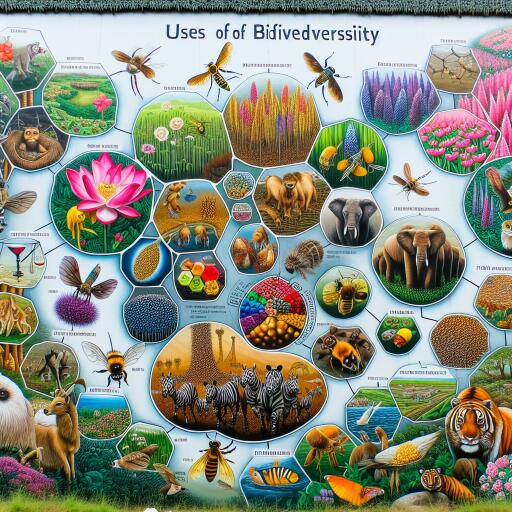
“`html
Understanding Biodiversity: A Critical Component of Our Planet
Biodiversity represents the incredible variety of life forms on Earth, encompassing the diversity within species, between species, and across ecosystems. This intricate web of existence plays a crucial role in sustaining both the environment and human life. From the air we breathe to the food we consume, biodiversity’s multifaceted benefits highlight the urgency of its preservation. Every organism, no matter its size, contributes to a complex system supporting the delicate balance of nature.
Enhancing Food Security and Nutrition
Biodiversity is fundamental to the security of our food supply. The myriad plant and animal species provide the diversity needed for balanced nutrition. Imagine a world where the same few crops dominate our diet; it would lead to monotony and potential nutritional deficiencies. Diverse species ensure a variety of flavors, nutritional benefits, and culinary innovation. Different crop varieties also show resilience against pests, diseases, and climate fluctuations, ensuring a more stable food supply. Indigenous crops, adapted to local environments, play a key role in sustaining agricultural diversity worldwide.
Harnessing Medicinal Potential
The field of medicine is deeply indebted to biodiversity. Numerous modern pharmaceuticals hail from natural compounds found in plants, animals, and microorganisms. Consider aspirin, which traces its origins to the bark of willow trees. Traditional medicine, across global cultures, employs hundreds of plant species with remarkable efficacy. As health challenges evolve, discovering new medicinal resources largely depends on the biodiversity we conserve today. Protecting this diversity ensures we don’t miss out on future cures that may lie within unexplored species.
Supporting Ecosystem Services
Ecosystems function as intricate machines where biodiversity serves as a vital component. These systems provide essential services such as pollination, nutrient cycling, and water purification. For example, plants rely on pollinators—such as bees, birds, and bats—to produce fruits and seeds, crucial for food production. If species become endangered or extinct, ecosystem services can falter, leading to a ripple effect compromising ecological balance. Healthy ecosystems promote resilience against natural disasters, sustainably manage resources, and maintain life’s equilibrium.
Regulating Climate
The contribution of biodiversity to climate regulation is immense. Ecosystems like forests, wetlands, and grasslands absorb atmospheric carbon dioxide, combating climate change. Forests, for instance, not only sequester carbon but also help regulate temperatures and water cycles. A loss in biodiversity equates to a loss in ecosystem complexity, potentially aggravating climate issues. Maintaining biodiversity offers resilient tools to address climate challenges, with various species adapting to changing conditions, helping ecosystems withstand climatic shifts.
Preserving Cultural Heritage
Biodiversity enriches our cultural existence. Different species and environments hold profound meanings across cultures, often reflected in art, spirituality, and folklore. Nature’s aesthetics and beauty inspire and enhance emotional well-being. For many communities, especially indigenous ones, specific species are integral to cultural traditions. Losing biodiversity risks erasing these cultural connections and forsaking knowledge passed down about living sustainably with nature.
Facilitating Recreational Activities
The abundance of life on Earth offers numerous recreational opportunities. Activities like hiking, bird watching, fishing, or diving often center around rich ecosystems. These experiences promote personal happiness and wellness, providing an escape from daily pressures. Moreover, industries like ecotourism thrive on biodiversity, generating income while advocating for conservation. By appreciating our planet’s diversity, we not only enrich our personal experiences but also foster a culture that values and fights for the planet’s preservation.
Encouraging Scientific Discovery
Biodiversity drives scientific exploration and innovation. Each species holds unique characteristics contributing to an understanding of biology, ecology, and evolution. Researchers study diverse organisms to decipher genetics, behavior, and interactions. A broad organism pool heightens the potential for discoveries that can lead to technological, agricultural, medical, and environmental advancements. Preserving biodiversity ensures we have the specimens needed to fuel research and expand knowledge across various fields.
Generates Economic Benefits
The economic benefits of biodiversity are substantial. Industries like agriculture, pharmaceuticals, and tourism flourish due to an array of life forms. A decline in biodiversity can diminish resources essential to these sectors, impacting crop yields, increasing pest management costs, or reducing fish stocks. Embracing sustainable practices and conserving biodiversity bolster economic resilience, enabling communities to sustain livelihoods and promote long-term sustainability.
Ensuring Soil Health
Soil biodiversity is pivotal for healthy ecosystems, underpinning agricultural productivity and land health. Organisms such as bacteria, fungi, and earthworms contribute to soil structure and nutrient cycles. They decompose organic matter, creating nutrient-rich soils. A decline in soil biodiversity affects land’s ability to support agriculture and endure environmental challenges. Enhancing soil biodiversity fosters resilience, supporting food production and diverse plant species for ecological balance and sustainability.
Preserving Genetic Diversity
The genetic variability within and among species is crucial for adaptation and resilience. Genetic variation enables species to adjust to changing environments, pests, and diseases, influencing survival rates. For agriculture, maintaining a broad genetic base assures resilience against diseases and climate stresses. By safeguarding existing biodiversity, we preserve genetic resources vital not just for agriculture but all species’ futures, including humans. Greater genetic diversity equates to thriving populations amid changing conditions, ensuring stability for generations.
Conclusion
Recognizing the extensive contributions of biodiversity is essential for preserving our planet’s ecosystems and, consequently, our survival. From food security to medicinal discoveries, cultural heritage, and more, biodiversity’s influence permeates all aspects of human life. As stewards of Earth, our responsibility lies in protecting this intricate tapestry of life, honoring its value for ourselves and future generations. Every action towards conservation strengthens biodiversity’s resilience, allowing humanity to thrive in harmony with nature.
“`



Leave a Reply