

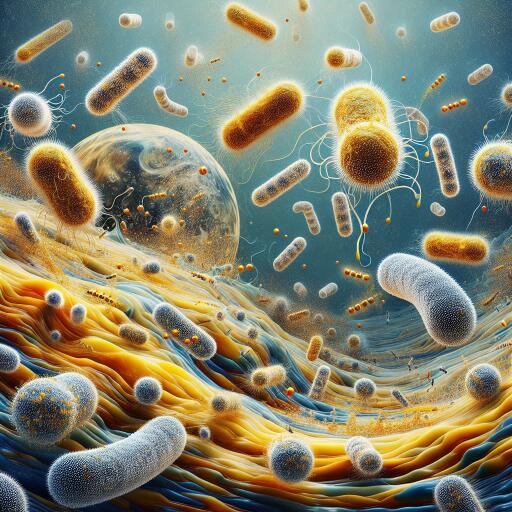
Bacterial Dynamics in Gulf Oil Biodegradation
The recent focus on microbial communities and their role in breaking down environmental pollutants has unveiled significant insights into ecological restoration. A pivotal exploration targeting the dynamics of microbial consortia from marine sediments in the Gulf of Mexico highlights the interaction between microbes and man-made pollutants, particularly during the breakdown of heavy crude oil.
Crude oil contains complex aromatic compounds that pose severe threats to marine life. Understanding the microbiological processes at play in breaking down these hydrocarbons is crucial for designing efficient, eco-friendly bioremediation strategies. This research illuminates the capabilities of bacteria and how they could be leveraged to reduce the harmful impacts of oil spills and other similar pollution incidents.
The Gulf of Mexico, with its rich biodiversity and frequent oil spills, stands as a key area affected by crude oil pollution. Researchers have analyzed detailed bacterial population shifts within sediment samples subjected to different exposure levels to harmful aromatic hydrocarbons present in crude oil. Utilizing advanced genomic methodologies, they pinpointed significant changes in microbial assemblages and identified bacteria pivotal to the oil degradation process.
Preliminary results have uncovered robust bacterial strains capable of degrading toxic compounds such as alkylated polycyclic aromatic hydrocarbons (PAHs). Certain bacteria, including strains from Alcanivorax and Pseudomonas genera, exhibit promising degradation abilities, positioning them as potential bioremediation agents. This study highlights the adaptive nature of these microbial networks responding to environmental shocks brought about by oil presence.
Beyond just documenting bacterial shifts, the research delves into the metabolic processes these organisms use to dismantle aromatic hydrocarbons. By unraveling these biochemical pathways, the study sets the stage for future innovations directed at enhancing biodegradation efficacy. It highlights unique enzymatic mechanisms that allow bacteria to convert harmful chemicals into less toxic byproducts, effectively turning pollutants into energy sources for the microbial community.
The exploration extends to interspecies interactions within the microbial assemblage. There is evidence that some bacteria form beneficial partnerships, which can boost hydrocarbon degradation efficiency. These mutualistic interactions suggest a refined evolutionary tactic where microbial competition blends with cooperation, allowing them to prosper in challenging conditions. This discovery could revolutionize our understanding of microbial life in contaminated habitats.
A noteworthy aspect of the study is the assessment of how different environmental factors alter bacterial degradation rates. Variables such as temperature, salinity, and nutrient levels greatly affect microbial processes. These findings are vital for predicting the viability of natural attenuation processes following oil spills, contributing to improved emergency and response strategies. Tailoring these environmental parameters can optimize bioremediation efforts, rendering them more practical in real-world scenarios.
Looking forward, a primary aim is to bridge these laboratory results with field applications. Future steps might involve deploying bacteria strains identified in the study to polluted sites in the Gulf of Mexico, paving the way for bioremediation pilot projects. The adaptability of these bacteria to marine conditions infuses existing bioremediation techniques with new promise.
The research underscores the necessity for marine conservation. Safeguarding the microbial diversity of natural ecosystems is as vital as technological advances in bioremediation. By maintaining these microbial populations, ecosystems retain resilience against future pollution, thereby supporting sustainable practices in oil exploration and industry.
Additionally, the research highlights the broader relevance of microbial ecology in climate change understanding. As bacteria degrade oil, they aid in carbon cycling within marine environments, a process critical for ecological balance. This study provides insights that could enhance global ecological models and climate change mitigation strategies.
Ultimately, this research marks a significant milestone towards comprehensive bioremediation approaches suitable for specific ecosystems. It challenges us to value microbial life not only as a survivalist force but also as a partner in maintaining planetary health. The potential of utilizing nature’s intrinsic cleanup agents could revolutionize our response to environmental disasters.
As the conversation expands, this research might inspire further inquiries into microbial communities across diverse ecological settings. Expanding our grasp of microbial diversity and their ecological roles could unlock innovative solutions to pressing environmental issues of our era.
This trailblazing study not only contributes to the dialogue on microbial ecology but also asserts that cooperation, whether among bacteria or among researchers, is the key to tackling the complexities of ecological restoration in our current age.



Leave a Reply