

Careers in Plant Science
Plants are central to virtually every facet of our existence, fundamentally supporting food security and forming an integral part of the health triad that includes human, animal, and environmental health. Robust plant health is crucial for yielding nutrient-rich food sources for both humans and animals while supporting a stable ecosystem.
However, when plants are ravaged by pests, the consequences can be dire, potentially resulting in food supply disruptions and triggering outbreaks of zoonotic diseases through harmful pathogens. While pesticides are used for pest management, their excessive use and improper handling lead to biodiversity losses, environmental pollution, ecological imbalance, food safety issues, and pesticide resistance.
We rely on plants for an overwhelming portion of our existence; they provide 80 percent of the food we consume and generate 98 percent of the oxygen we breathe. Nevertheless, plant pests lead to the loss of up to 40 percent of global crops, undermining the collective endeavor to guarantee food security, damaging essential biodiversity, and affecting economies and livelihoods.
The United Nations has recognized the critical importance of plants by establishing 12 May as the International Day of Plant Health (IDPH). This dedicated day seeks to amplify worldwide awareness about the significance of protecting plant health in order to eradicate hunger, alleviate poverty, preserve biodiversity, safeguard the environment, and promote economic development. Originating as a key legacy of the International Year of Plant Health in 2020, this day encourages everyone to participate in activities that ensure the health of plants, animals, humans, and the environment.
Expanding one’s career into plant-related fields presents numerous opportunities, as evidenced by the existence of various specialized disciplines like horticulture, botany, agriculture, and forestry. Leading agricultural colleges and institutions offer a variety of plant-related courses that can shape promising futures in this domain.
Plant Science / Botany: This area is particularly appealing to students with a passion for biology during their senior schooling. At the degree level, students can choose to specialize in zoology or botany. Plant scientists, or botanists, delve into the world of plants, studying their anatomy, taxonomy, and ecology. Their research spans plant life topics from breeding and physiology to production and yields, thereby significantly contributing to food security, sustainable agricultural practices, and even pharmaceutical development.
Horticulture: Known as one of the most popular subjects in agriculture, horticulture combines the art and science of cultivating plants for food, ornamentation, and medicinal purposes. This field includes a wide range of activities, from cultivating fruits and vegetables to designing stunning landscapes and developing novel plant varieties. Practiced on a smaller scale compared to traditional agriculture, horticulture often employs specialized techniques like budding and grafting.
Forestry: Dedicated to the science and practice of forest management, forestry focuses on timber production, conservation efforts, and providing ecological benefits. It encompasses activities related to planting, tending, utilizing, and protecting forests and woodlands. Forestry directly aligns with plant conservation and safeguarding efforts.
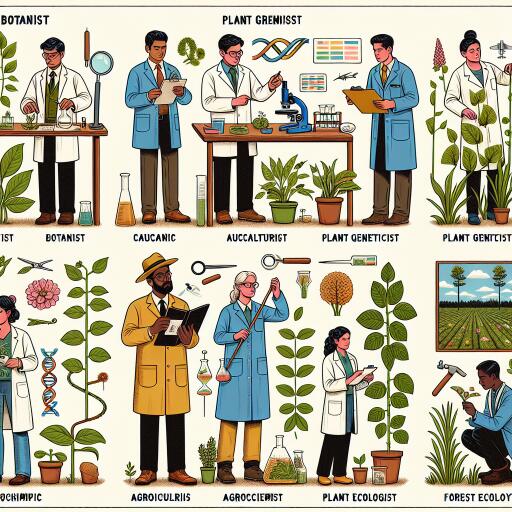
Potential job titles and roles within the plant science field include:
- Plant Breeder
- Plant Geneticist
- Plant Biotechnologist
- Crop Manager
- Horticulturist
- Agricultural Consultant
- Plant Ecologist
- Conservation Biologist
- Restoration Ecologist
- Plant Scientist or Botanist
- Plant Pathologist
Professionals in these roles find opportunities in government sectors or private organizations seeking individuals with both academic qualifications and employability skills related to food and plant sciences.



Leave a Reply