

Golf club gets solar panels to cut carbon emissions
Weymouth Golf Club has switched on a rooftop solar array designed to supply more than half of its yearly electricity needs, marking a decisive step to cut emissions and curb energy bills. The system is expected to trim the club’s carbon footprint by around 20 tonnes of CO₂ annually.
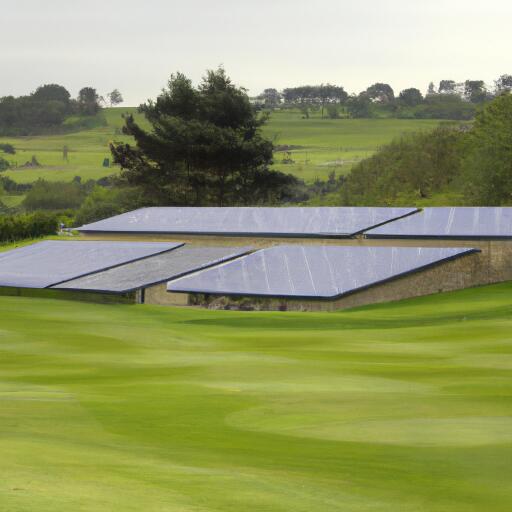
Panels now cover the clubhouse and the greenkeeping facilities, turning previously unused roof space into a steady source of clean power. The installation went live in mid-October and has been generating renewable electricity through the autumn and into winter daylight hours.
The project received financial support from a council-backed Low Carbon Dorset grant scheme aimed at accelerating energy-efficiency and renewable upgrades across the county. A regional contractor, Bamfords of Yeovil, carried out the work.
Club president Bob Mico said the investment aligns environmental stewardship with practical economics, noting that the reduction in grid electricity will help shield members from volatile energy costs while cutting pollution. He added that the initiative reflects the club’s commitment to the local community, where cleaner air and lower emissions bring shared benefits.
Golf venues typically have mixed and sometimes peaky power demands: kitchens and hospitality areas in the clubhouse, lighting and hot water, refrigeration, and machinery charging in maintenance facilities. By generating power onsite for a large share of these needs, the club lowers its reliance on fossil-fuel electricity at times when the sun is shining—often coinciding with daytime clubhouse activity and course maintenance.
Alongside the carbon savings, the shift to onsite generation provides greater budget certainty. Every kilowatt-hour produced on the roof is one less purchased from the grid, softening the impact of market price swings. Over time, this can free up funds to reinvest in the course, facilities, and community activities.
The club has signalled that the solar array is a first step, with further measures under consideration to deepen decarbonisation and enhance resilience. Options typically assessed in projects like this include battery storage to capture surplus daytime production for use in the evening, continued efficiency upgrades to lighting and heating controls, and smarter energy management to match consumption with generation. Any combination of these could amplify the impact of the new panels by increasing the proportion of self-consumed clean power.
For coastal and leisure destinations, visible investments in renewables also offer reputational dividends. Visitors and members increasingly expect sustainability to be part of the experience, and on-site clean energy is a concrete, measurable action that resonates beyond pledges and policies.
- More than 50% of annual electricity demand to be met by onsite solar
- Estimated annual emissions reduction: approximately 20 tonnes of CO₂
- Rooftop panels installed on the clubhouse and greenkeepers’ facility
- System live since mid-October; installed by Bamfords of Yeovil
- Supported by a Low Carbon Dorset grant
As the system beds in through its first winter and into the brighter months, the club will be able to fine-tune operations around real production data—optimising when equipment runs, identifying the best windows for high-consumption tasks, and mapping out the case for add-ons like storage. That kind of data-driven approach can unlock even greater carbon and cost savings over the lifetime of the system.
In an energy landscape defined by rising costs and the urgency of climate action, Weymouth Golf Club’s move shows how local sports facilities can turn their rooftops into practical climate solutions—cutting emissions, stabilising running costs, and setting an example other clubs can follow.



Leave a Reply