

Understanding the Ecological Footprint: A Deep Dive with Green Packs
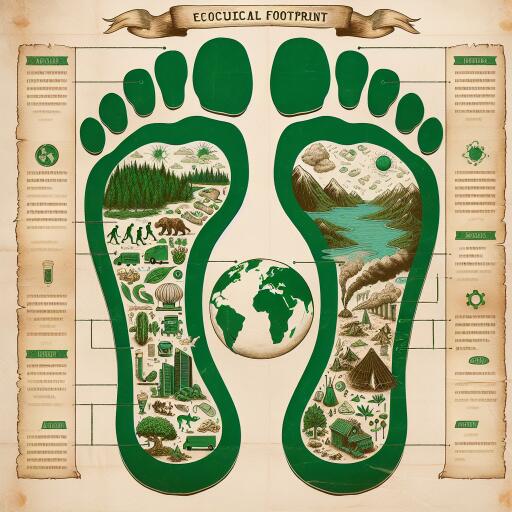
The ecological footprint is a fascinating metric utilized to assess the environmental impact of human activities. It reflects the pressure on Earth’s ecosystems prompted by individuals, communities, and nations. By examining the consumption of natural resources and the waste produced, this measurement provides insight into how our lifestyles impact the planet. Ultimately, it answers the essential query: how much of Earth’s resources are required to maintain our current way of living? The concept arose from an urgent need to address sustainability in a world with finite resources and escalating ecological challenges.
Components of an Ecological Footprint
The ecological footprint incorporates several components that collectively represent the environmental impact of an individual or group. Notable elements include the carbon footprint, which evaluates emissions linked to fossil fuel use; the built-up land, demonstrating urban and infrastructure growth; and the biological capacity employed for food production and natural resource extraction. Understanding these components is crucial for aligning our consumption with the planet’s capacity to regenerate. By dissecting these elements, targeted strategies can be developed to reduce specific areas where we exert the most significant environmental pressure.
Assessing the Ecological Footprint
Calculating an ecological footprint involves extensive computations which estimate resource usage in global hectares. This method converts various consumption types—such as energy, food, and materials—into a standardized unit representing their environmental cost. These calculations cover both direct and indirect consumption. Direct consumption pertains to resources used immediately, such as household energy, while indirect consumption accounts for the lifecycle impacts of products bought. Understanding this measurement helps identify how contemporary lifestyles contribute to natural resource depletion and greenhouse gas emissions.
The Importance of Ecological Footprints
The ecological footprint is undeniably significant. In an era plagued by climate change and environmental degradation, recognizing our impact enables informed sustainability choices. Awareness of our ecological footprint fosters improved resource management, spurring individuals to opt for environmentally-friendly alternatives and minimize dependency on non-renewable resources. In today’s interconnected world, comprehending the magnitude of our footprint facilitates collective actions, potentially driving policies geared towards fostering environmental sustainability worldwide.
Individual Ecological Footprints
On a personal scale, recognizing one’s ecological footprint can be enlightening. It often encourages introspection regarding daily habits and lifestyle choices, from diet to transportation methods. For example, individuals who predominantly consume meat generally have larger footprints than those who follow plant-based diets, due to the extensive resources needed to rear livestock. Similarly, opting for public transport or cycling over driving can significantly reduce an individual’s footprint. These personal choices cumulatively highlight the substantial difference one person can make.
Impact of Society on Ecological Footprints
Beyond individuals, communities and nations collectively impact ecological footprints. Urbanization, industrialization, and technological advancements can elevate environmental demand. Cities, characterized by dense populations, typically exhibit high ecological footprints due to the concentrated demand for resources. Nonetheless, these communities can also spearhead sustainable practices. Initiatives such as community gardens, renewable energy adoption, and improved public transport networks can effectively mitigate entire societies’ ecological footprints.
Global Patterns and the Ecological Footprint
Globally, the ecological footprint reveals alarming patterns, frequently surpassing Earth’s biocapacity. This trend illustrates humanity’s overconsumption of renewable resources, resulting in an “ecological overshoot” state. This predicament is particularly urgent when considering climate change, biodiversity diminution, and resource exhaustion. Worldwide efforts to mitigate ecological footprints are in progress, as nations strive to equalize economic pursuits with environmental care to guarantee sustainability for future generations.
Strategies to Lessen Ecological Footprints
Lowering ecological footprints requires a multi-pronged approach, entailing both personal and collective dedication. Individuals can embrace sustainable practices such as curtailing energy usage, recycling, and water conservation. Transitioning to renewable energy sources also bears substantial environmental benefits. Community-wide, increasing sustainability awareness and advocating for green initiatives can elicit innovative solutions that reduce footprints. Governmental involvement is crucial, as these bodies can introduce policies promoting energy efficiency, renewable resources, and conservation efforts, collectively diminishing national ecological demands.
The Role of Technology in Ecological Footprint Management
Technology emerges as a formidable ally in combating escalating ecological footprints. Innovations across renewable energy, waste management, and sustainable agriculture redefine human-environment interactions. For example, advancements in solar and wind energy technologies offer clean alternatives to fossil fuels, significantly curbing carbon footprints. Moreover, practices like vertical farming and organic gardening stimulate local food production, decreasing transportation emissions and resource utilization. Embracing such technological advancements is pivotal in sustainability endeavors.
Education and Awareness
Education is a critical element in diminishing ecological footprints. By heightening sustainability awareness, individuals can make informed choices. Educational programs in schools and communities instilling environmental stewardship can cultivate a culture where reducing ecological impact becomes a collective value. This empowers individuals, illustrating that minor changes can yield substantial cumulative impacts. By fostering understanding of ecological footprints, society can prioritize sustainability and environmental wellbeing.
A Call to Action
Ultimately, tackling the challenge of shrinking ecological footprints is arduous yet attainable. It demands collaboration across all societal sectors—from individuals to governments and corporations. By recognizing our actions’ repercussions and consciously choosing sustainability-focused actions, a future aligning ecological footprints with the planet’s capabilities is within reach. A shared commitment to environmental responsibility transcends trends; it is an essential transition in societal values and practices. Equipped with knowledge and a shared vision, progress toward a sustainable future for ourselves and generations to come can indeed be realized.



Leave a Reply