

What Biodiversity Wild Means For Nature – Green Packs
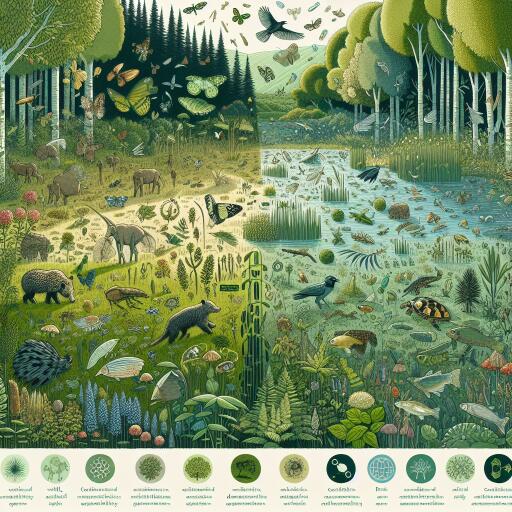
Biodiversity in its natural habitat represents the diverse spectrum of life thriving in ecosystems untouched by human intervention. It encompasses the variety of species, genes, and ecological processes that keep our planet functioning. When discussing wild biodiversity, we consider the complex web where each organism, from the mightiest tree to the tiniest bacterium, plays a vital part in maintaining the health and equilibrium of its surroundings.
At the core of biodiversity lies species diversity, the spectrum of different organisms inhabiting an area. This diversity is critical as it enhances resilience. A varied ecosystem can better cope with disturbances such as climate change, disease outbreaks, or invasive species. Greater species variety increases the chances that some will possess survival traits enabling adaptation to shifting circumstances, thereby bolstering the entire ecosystem.
Equally significant is genetic diversity within species, which allows populations to evolve and adjust to environmental pressures over time. Consider a wildflower population; some may have evolved traits for drought resilience, flourishing under warmer, drier conditions, while others might not survive. This genetic variability is foundational for conservation, as it enables species to thrive amid rapid environmental changes, preserving the genetic resources found in undisturbed habitats.
The spectrum of ecosystems, from grasslands, deserts, and wetlands to forests, comprises another crucial layer of biodiversity. Each ecosystem holds unique features and serves special functions. For instance, forests absorb carbon dioxide, alleviate climate change impacts, while wetlands act as water purifiers, enhancing water quality and supporting rich biodiversity. Preserving a range of ecosystems is vital for sustaining the essential services they provide to wildlife and humanity.
However, human endeavors have markedly affected wild biodiversity. Activities like deforestation, pollution, climate change, and urban spread have contributed to species population decline. Habitat destruction for agriculture, logging, and land conversion fragments ecosystems, hampering species’ ability to access resources and find mates. Pollution contaminates water and soil, threatening the delicate ecosystem balance. Tackling these challenges demands collaborative efforts from individuals to global organizations.
Protecting wild biodiversity has never been more urgent. The creation of national parks and wildlife reserves is one strategy to shield habitats and their resident species. These designated areas act as refuges where flora and fauna can thrive without human interference. However, effective conservation transcends establishing protected zones. It requires community engagement in sustainable practices, education on biodiversity importance, and the implementation of policies that balance environmental and economic priorities.
Biodiversity also underpins human well-being. Wild ecosystems yield countless resources vital to our daily lives, from sustenance to medicinal substances. Numerous pharmaceuticals originate from wild plants and animals. Biodiversity loss threatens these resources, underscoring the need to recognize the intrinsic value of healthy ecosystems. By safeguarding biodiversity, we not only conserve nature but also protect our own health and future.
Wild ecosystems highlight the interconnectedness inherent in biodiversity. Each organism, whether predator, prey, or decomposer, forms part of complex food webs. The loss of any single species can trigger chain reactions, causing imbalances and potentially devastating local ecology. This intricate interdependence necessitates a holistic conservation approach, emphasizing inter-species relationships rather than isolated preservation attempts.
Preserving wild biodiversity also means appreciating the cultural and spiritual dimensions of nature. Indigenous communities often maintain profound ecological connections, relying on and stewarding wild ecosystems. Their traditional knowledge contributes valuable insights into respectful, effective conservation practices. Empowering these communities enhances biodiversity outcomes through shared stewardship.
Technology plays a pivotal role in advancing our understanding of wild biodiversity. Tools such as remote sensing and genetic sequencing improve ecosystem monitoring and reveal species interactions in extraordinary detail. These innovations assist in identifying endangered species and ecosystems, guiding conservation priorities and intervention strategies. Furthermore, digital platforms enhance public engagement, fostering awareness and grassroots support for conservation initiatives.
Ultimately, nurturing a profound appreciation for wild biodiversity can inspire more environmentally responsible behavior. Stewardship over nature prompts us to understand our role in maintaining ecosystem balance. Whether through mindful consumer choices, participation in conservation efforts, or support for sustainable policies, every action advances the movement towards sustainability and reverence for our planet’s diverse life forms.
In conclusion, wild biodiversity is the essence sustaining our planet. Its significance transcends ecological concerns, intertwining with human health, culture, and resilience. Valuing and conserving biodiversity ensures the sustainability not just of countless life forms, but of humanity itself, embracing the intricate web of existence. As we deepen our engagement and respect for biodiversity, we better equip ourselves to face forthcoming challenges.



Leave a Reply