

How To Protect Wetlands During Construction – Green Packs
Wetlands are invaluable ecological sanctuaries that offer a host of crucial services. Acting as natural water purifiers, they filter out pollutants and provide essential habitats for diverse species such as amphibians, birds, and fish. These ecosystems play a significant role in flood control by absorbing excess rainwater, thereby mitigating the risk of flooding in nearby areas. Beyond ecological benefits, wetlands also bolster the economy through fishing, tourism, and recreational opportunities. Therefore, safeguarding these vital ecosystems during construction projects becomes a compelling obligation.
Initial Steps: Planning and Permitting
Before any groundbreaking, prioritizing a comprehensive plan is imperative. Identify whether the construction area borders a wetland. This requires consulting local regulations and possibly the expertise of environmental consultants. Securing the necessary permits is crucial, as many areas mandate permits for any activities impacting wetlands. This phase allows identification of potential ecological risks and establishes guidelines that will shape your entire project, thereby ensuring legal compliance and wetland protection.
Comprehensive Environmental Impact Assessment
Conducting an Environmental Impact Assessment (EIA) yields valuable insights on your project’s potential effects on wetlands. This assessment evaluates factors such as water quality and biodiversity. It’s essential to invest time in thorough research and data collection to identify challenges early. Engaging with wetland ecology experts can spotlight sensitive points in need of heightened protection and assist in crafting a detailed strategy that addresses environmental concerns effectively.
Implementing Best Management Practices
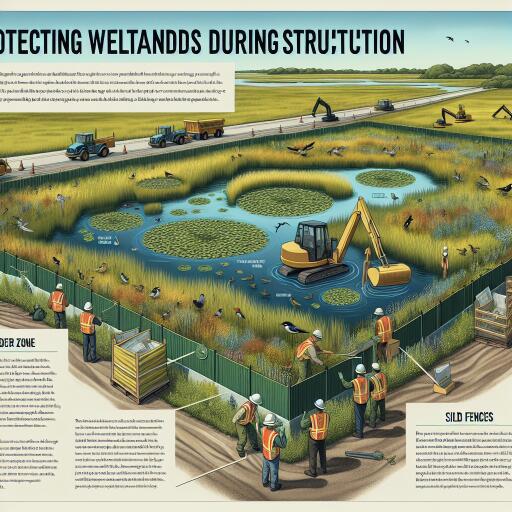
Best Management Practices (BMPs) are critical strategies aimed at minimizing environmental harm. In the context of wetlands, BMPs might involve using protective barriers like silt fences to keep contaminants from seeping into these areas during rain. These strategies not only reduce risk but also provide a framework to handle potential issues, preserving wetland integrity. BMPs should be integrated into the project plan, tailored to the unique requirements of the surrounding wetland ecosystem.
Creating Buffer Zones
Buffer zones composed of vegetation strips around wetlands are essential safeguards during construction. These zones act as barriers that absorb runoff, reduce sedimentation, and diminish pollutant impact. Planning must include the establishment of these buffer zones and strict adherence to maintaining them throughout construction. Limiting development in these zones is crucial to preserving their efficacy, which supports biodiversity and protects the wetland.
Water Management Planning
Effective water flow management is key to shielding wetlands during construction. Improper management can disrupt the area’s hydrology, damaging wetland health. Strategies like temporary diversion channels or infiltration basins can help control water flow during construction, protecting both the site and the wetlands from flooding, particularly during heavy rains. The goal is to balance project progress with the preservation of water levels and quality in nearby wetlands.
Ongoing Monitoring and Maintenance
Continual monitoring is essential throughout the construction process to ensure wetlands’ health is supported. Regular inspections to evaluate water quality and check erosion prevention measures are vital. Monitoring should not end with construction completion; it’s an ongoing duty. A long-term maintenance plan ensures that the wetland remains healthy long after construction equipment departs.
Training and Raising Awareness Among Staff
A successful construction project depends greatly on well-trained staff who respect and protect wetlands. Training programs can equip your team with an understanding of the wetlands’ ecological importance and best practices to reduce impact. Informational sessions can provide the needed knowledge for identifying sensitive areas and enforcing protocols, making environmental protection a collective responsibility.
Engagement and Communication with the Community
Engaging the local community offers multiple advantages. Open communication fosters a stewardship culture that supports wetland preservation. Community members may provide insights or raise concerns that inform your project planning. Involving local stakeholders in discourse about wetland conservation leads to stronger collaborative support and better outcomes for both the community and the project.
Leveraging Technological Advances
Technology plays a pivotal role in enhancing wetland conservation during construction. Tools like GPS mapping can precisely identify wetland boundaries while drones provide access to hard-to-reach areas for monitoring. Real-time monitoring systems offer alerts for water quality changes or potential problems. These technological solutions streamline the construction process while safeguarding the wetlands.
Post-Construction Restoration and Rehabilitation
Inevitable impacts on wetlands during construction can be addressed through a robust post-construction restoration plan. Efforts could involve replanting indigenous vegetation, clearing debris, or using methods that foster hydrological recovery. This phase is critical for rebuilding and rejuvenating ecosystems impacted by construction activities, showcasing a commitment to long-lasting sustainable practices.
Conclusion: Making Environmental Protection a Dedication
Protecting wetlands during construction is a crucial moral responsibility, ensuring a thriving environment for future generations. Every stage, from careful planning to dedicated restoration, contributes to safeguarding these delicate ecosystems. By applying best practices, involving communities, and maintaining ongoing monitoring and education, you play a part in vital environmental preservation. Cultivate environmental protection within your construction ethos and motivate others towards the same goal, promoting long-term efforts to conserve wetlands.



Leave a Reply