

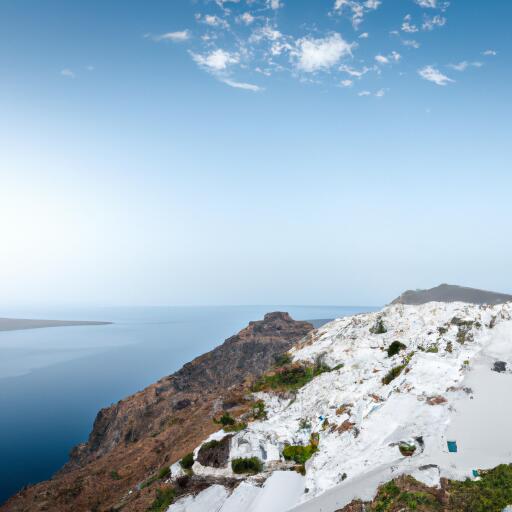
Santorini, Rhodes, Mykonos, And Paros Need Sustainable Tourism Practices To Combat Overcrowding And Protect Greece’s Most Popular Islands – Travel And Tour World
Greece’s star islands—Santorini, Rhodes, Mykonos, and Paros—have become victims of their own success. The summer crush brings economic lifeblood, but it also pushes water, energy, housing, and transport systems to the brink. To keep these destinations livable for residents and rewarding for travelers, Greece needs a decisive shift toward sustainable tourism that protects natural assets, cultural identity, and community well-being.
Overcrowding’s real-world costs
In the South Aegean, where dozens of islands compete for limited resources, roughly two in five visitors to Greece converge each year. That concentration has consequences. Summer now often means power cuts during peak demand, water rationing, and waste systems running at capacity. Desalination plants struggle when tourism spikes, and aging grids falter under the load of hotels, villas, clubs, and cruise calls.
The social fabric is fraying too. Housing is increasingly carved into short-term rentals, pushing residents—especially key workers—out of central areas. Hospitals and clinics face staffing gaps when doctors and nurses can’t find or afford long-term accommodation. Families are squeezed by transport costs; a typical example sees a family of four paying more than €1,000 to take a car from Athens to Rhodes in peak season. Meanwhile, real estate prices have climbed for years, buoyed by investment demand that far outpaces local incomes.
How we got here
Decades of marketing have spotlighted the Cyclades and Dodecanese, turning a handful of names into global shorthand for Greek travel. Many visitors still don’t realize Greece has hundreds of islands—let alone the mainland gems—that can offer equally rich experiences. Add day-tripping cruise traffic and social media hotspots, and the pressure concentrates further on a few neighborhoods, beaches, and viewpoints.
A blueprint for balance
Tourism and livability do not have to be at odds. A science-based, community-first strategy can ease the burden and extend benefits. Key actions include:
- Visitor management where it matters most: Introduce timed entry and daily caps at ultra-popular beaches, alleys, and caldera lookouts; limit simultaneous cruise berths; and spread arrivals throughout the day. Dynamic pricing and a seasonal green levy can fund local environmental and social projects, from dune restoration to clinic staffing.
- Renewable, resilient infrastructure: Deploy island microgrids powered by solar and wind with battery storage to curb blackouts and cut diesel use. Require rooftop PV on large new builds and hotel retrofits. Run desalination plants primarily on renewables and pair them with smart leak detection and district-level greywater reuse for landscaping and cleaning.
- Modern water and waste systems: Upgrade wastewater treatment to tertiary levels, enabling safe reuse and protecting swimming waters. Expand composting and biochar programs to cut landfill volumes and enrich soils. Install refill fountains and ban single-use plastics in sensitive zones.
- Clean mobility: Electrify or hybridize inter-island ferries where feasible and provide shore power at ports. Increase high-frequency public buses and late-night services. Encourage e-bike networks and pedestrian-first streets in historic centers to reduce congestion and noise.
- Homes for residents and essential workers: Cap short-term rentals in high-pressure districts; dedicate publicly backed housing for teachers, medical staff, and seasonal workers; and incentivize year-round leases. Keep communities intact so schools, clinics, and local businesses can function.
Share the spotlight
Reducing overcrowding requires widening the map. A coordinated national campaign should promote lesser-known islands and mainland regions, match travelers with themes (gastronomy, hiking, heritage, wellness), and reward shoulder-season trips with bundled transport and lodging offers. When demand is more evenly distributed, prices stabilize, seasonal peaks soften, and environmental stress eases on the headline destinations.
What travelers can do now
- Travel outside peak months and stay longer in fewer places.
- Book accommodations that publish their energy, water, and waste metrics and invest in renewables.
- Use refillable bottles, conserve water during peak hours, and choose public transit, walking, or cycling when possible.
- Support locally owned businesses and experiences that respect cultural traditions and protected areas.
- Avoid fragile sites during midday crowd surges; dawn and dusk dispersal reduces both stress and impact.
Governance that keeps pace
To measure what matters, islands should publish open dashboards tracking carrying capacity indicators: water reserves, electricity demand, waste volumes, beach erosion, biodiversity status, and resident satisfaction. Adaptive policies can then turn the dials—adjusting cruise slots, event permits, or levy rates—as conditions shift. Crucially, residents must have a formal seat at the table through island councils that co-design tourism plans and oversee reinvestment of visitor revenues.
The path forward
Tourism underpins livelihoods across the Aegean, but without deliberate redesign it can undermine the very qualities visitors seek. By pairing visitor management with renewable energy, smart water systems, clean mobility, fair housing, and diversified marketing, Greece can protect its most famous islands and elevate the experience across the country. The choice is clear: steward these places now, or risk loving them to exhaustion. With thoughtful policy and responsible travel, Santorini, Rhodes, Mykonos, and Paros can remain vibrant, welcoming, and resilient for generations to come.



Leave a Reply