

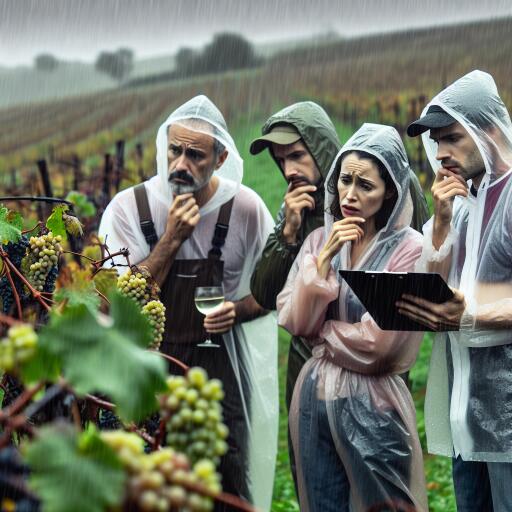
Winemakers Face Unprecedented Challenges After Catastrophic Growing Season: ‘The First Word That Comes to Mind is ‘Anxiety”
The winemakers of British Columbia have experienced what many describe as the toughest growing season they have ever faced. With wildfires, intense heatwaves, and freezing temperatures wreaking havoc, the pressure on these winemakers is mounting. A particularly brutal cold snap last year has only compounded the challenges.
Leandro Nosal, a winemaker from Tinhorn Creek, revealed that the extreme cold in January 2024 wiped out nearly 98% of the grape harvest in the Okanagan Valley. This disaster extended beyond grapes, affecting various fruit orchards throughout the region. Although Nosal’s vineyard is still operating, the unpredictable weather patterns have left him and his peers anxious about the future.
This troubling scenario isn’t confined to British Columbia. Throughout the world, climate change is having a significant impact on agriculture. Studies indicate that main grains such as wheat, barley, and maize have suffered drastically due to unusually warm conditions, which has increased the frequency of crop failures.
The United Kingdom serves as another example of this crisis, where farmers have faced a challenging cycle of extended rainfall followed by severe droughts, leading to crop devastation and financial losses.
Unfortunately, extreme weather affects more than just crops; it leads to significant economic challenges and drives the prices of groceries up. Recent years, particularly 2023, saw grocery prices soar as a direct consequence of adverse weather conditions. Experts continue to caution that the planet remains on a path toward increasingly high temperatures fueled by pollution.
The situation has become more dire over the past two years with increasing crop losses. Winemakers in BC have had to adapt by sourcing their grapes from vineyards located further afield. While larger enterprises possess the resilience to withstand these shocks, industry specialists warn that smaller vineyards may be forced to sell or close.
As individuals, we can contribute to mitigating these conditions by examining the root causes of such extreme weather events. Adopting measures such as participating in community solar projects can reduce personal pollution footprints. Furthermore, support for climate-conscious initiatives and policies through voting can foster broad change.
The journey ahead for winemakers and the agricultural sector at large remains fraught with uncertainty. However, by addressing the challenges head-on and supporting meaningful climate action, there is hope for a more sustainable future both for crops and the communities that depend on them.



Leave a Reply