

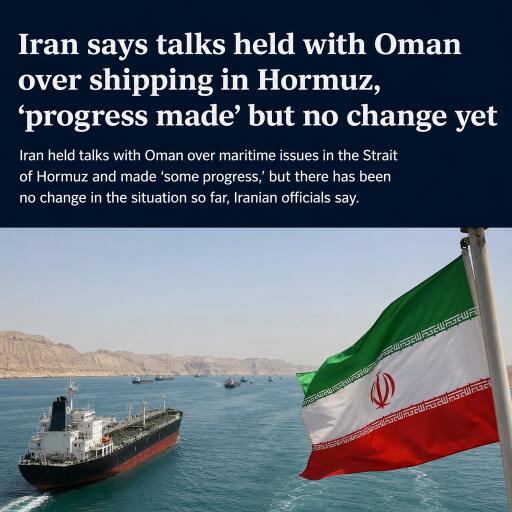
Iran says talks held with Oman over shipping in Hormuz, ‘progress made’ but no change yet
Iran and Oman have completed two days of discussions on maritime traffic in the Strait of Hormuz, a corridor that carries a significant share of the world’s seaborne energy. According to Iran’s foreign ministry spokesperson, Esmaeil Baghaei, the conversations were constructive and yielded progress on shared principles for safe navigation—yet, for now, shipping procedures remain unchanged.
Focus of the talks
Officials from both countries exchanged views on how to strengthen the safe passage of vessels while acknowledging the sovereignty and legal rights of the two coastal states that border the strait. The agenda centered on operational coordination—such as harmonized protocols for traffic management, emergency response, and communications among maritime authorities—to reduce risks in one of the busiest and most sensitive waterways on the planet.
Baghaei indicated that while the meetings were useful, additional technical and political consultations are planned. This suggests the two sides are moving toward a more detailed framework that could eventually guide everyday practices at sea, from pilotage and routing to incident reporting and joint drills.
Why it matters for trade and ecology
The Strait of Hormuz is a narrow chokepoint linking the Persian Gulf to global markets. High volumes of tanker and container traffic make the area vulnerable to congestion and miscommunication—conditions that not only threaten trade but also heighten environmental risks. Collisions, groundings, or equipment failures can quickly escalate into oil spills or hazardous releases.
For marine ecosystems, the stakes are substantial. The region’s coral communities, mangroves, and fisheries can be damaged by hydrocarbons as well as by chronic pressures such as ballast water discharge and underwater noise. Improved coordination—through clearer traffic separation schemes, robust incident response plans, and transparent information-sharing—can lower the likelihood and severity of accidents. It can also speed containment if a spill occurs, protecting fragile habitats and the coastal livelihoods that depend on them.
A more orderly flow of vessels brings climate co-benefits too. Fewer delays and diversions can cut fuel waste and emissions. If the forthcoming framework encourages cleaner fuels, better maintenance of engines, or slow-steaming where appropriate, it could complement broader international efforts to decarbonize shipping.
Current status: steady as she goes
Despite the reported progress, Iran’s foreign ministry emphasized that there has been no alteration to the current status of shipping in the strait. Mariners, shipowners, and insurers should therefore expect existing procedures to continue until further notice. Any future adjustments—if agreed—would likely be communicated through established channels to ensure predictability for commercial operators.
Potential elements of a future framework
- Joint or interoperable incident response, including spill containment and search-and-rescue coordination
- Enhanced vessel traffic services and clearer navigational guidance across national jurisdictions
- Standardized communication protocols to reduce misunderstandings in congested waters
- Environmental safeguards tied to routing, anchorage, and sensitive habitat protection
What to watch next
Additional rounds of dialogue will clarify how far Iran and Oman can align on operational details. Signals to look for include any notices to mariners, updates from port authorities, or statements outlining new coordination mechanisms. If the discussions evolve into a durable framework, it could sharpen navigational safety and strengthen environmental stewardship in a waterway that remains central to global energy security—and highly sensitive to ecological disruption.



Leave a Reply