

Amid LPG crisis, Amritsar teacher develops biofuel bricklets – The Tribune
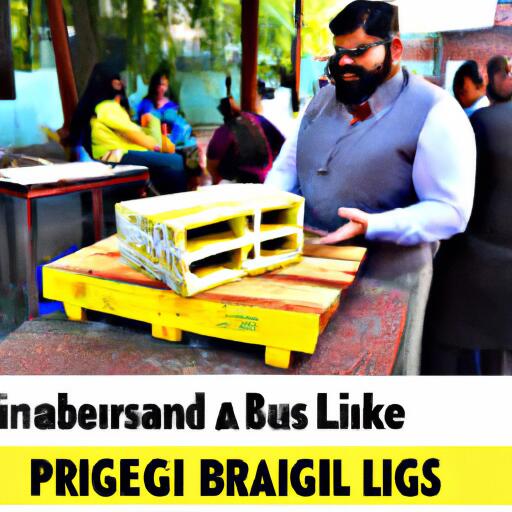
As liquefied petroleum gas supplies falter and prices fluctuate, many rural kitchens are falling back on electric hotplates or scouring for firewood. In the outskirts of Amritsar, a vocational educator has rallied his students and neighbors around a different solution: turning farm and household discards into compact biofuel bricklets and pellets.
At Government Senior Secondary School in Jabbowal, a student-led science club is piloting a circular-energy model that taps what the region has in abundance—paddy straw, crop residues, sawdust, and kitchen waste. By transforming this waste into dense fuel units, the group aims to ease dependence on LPG and reduce the expense and air pollution associated with coal and raw wood. The initiative also gives a practical outlet to the annual challenge of post-harvest leftovers that too often end up burned in the open.
“The cleanest fuel is the one you don’t need to extract anew,” the teacher guiding the effort explained during a demonstration, underscoring that their feedstock is almost entirely free and locally available. Beyond solid biofuels, the team has experimented with small-batch ethanol from sugarcane and farm residues, and they repurpose collected waste into useful items—like hand dusters—underscoring the versatility of a reduce–reuse–recycle approach.
The process is intentionally simple so it can be replicated at home or in village workshops. Organic scraps from the school kitchen and nearby farms are sorted, sun‑dried, shredded, and pressed into pellets or bricklets. Natural fibers in the biomass bind the material during compression; in some mixes, a bit of paper pulp or dung helps maintain shape. After curing, the fuel can be used in improved cookstoves designed to burn pellets efficiently and with less smoke.
- What goes in: paddy straw, rice husk, sawdust, cow dung, dried leaves, waste paper, and segregated kitchen waste.
- How it’s made: collect and sort, dry to reduce moisture, shred, blend and press, then cure/dry for storage.
Drawing inspiration from the revival of village biogas units, students also study how anaerobic digestion turns organic waste into methane-rich gas for cooking. Solid bio-briquettes and biogas are complementary, they note: the former offers a storable, transportable option; the latter delivers a steady flame through a simple digester setup. While these bricklets carry a lower calorific value than coal, the club emphasizes their advantages—cleaner combustion, drastically lower cost, and the ability to produce them at household scale without specialized equipment.
Energy planners often cite a rule of thumb: around 2.6 kilograms of dry biomass per day can meet the cooking needs of a typical family if used in efficient stoves. That estimate, the students say, aligns with their trials on pellet-based cookstoves that meter air for cleaner burning. Compared with open fires or ad‑hoc bundles of “balan,” well‑pressed briquettes burn more evenly, reduce incomplete combustion, and limit the release of particulates and other harmful emissions.
During a season of supply hiccups, the project frames biofuels as a reliable stopgap—and potentially a lasting complement to LPG. Directly torching loose agricultural waste is a recipe for smoke and carbon pollution; densifying the same material into controlled, uniform fuel improves ignition, flame temperature, and overall efficiency. The students track these differences with simple tests, measuring burn time, smoke levels, and fuel consumption across stove types.
The school team’s persistence has not gone unnoticed. Their sustainability projects have earned recognition in national platforms that highlight environmental action in education, including accolades at the Wipro Earthian Awards and the National Children’s Science Congress. These nods have helped the club share designs and do‑it‑yourself press molds with neighboring communities.
Looking ahead, the group advocates for a pragmatic safety net: if LPG disruptions deepen, government schools could integrate low‑cost biofuel production into campus routines. Kitchen waste and garden trimmings become inputs, a few hand‑operated presses can supply pellets for institutional cookstoves, and mid‑day meals can continue without interruption. Such a setup would also double as a living lab for students learning chemistry, thermodynamics, and environmental stewardship.
The broader message reaches beyond one school: rural energy security can be strengthened by treating waste as a resource. With modest tools and training, communities can turn what they throw away into what keeps the pot boiling—while cutting smoke, curbing open burning, and keeping scarce cash in households. In a time of scarcity, that kind of resilience is its own form of abundance.



Leave a Reply