

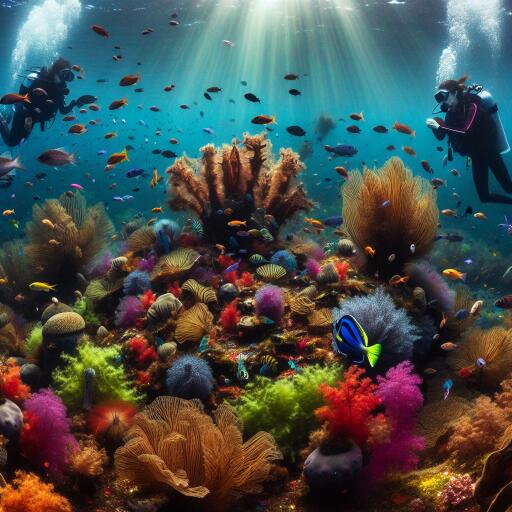
Macroalgae protect biodiversity in La Guaira
Along the coast of Taguao, in the state of La Guaira, a familiar tropical shoreline has become a living laboratory. There, teams backed by the national science and technology system are mapping the ecological potential of macroalgae—underwater architects that build, shelter, and stabilize marine life while helping the ocean cope with a warming climate.
From scenic shore to living laboratory
What began as a single field day has grown into a coordinated research effort to catalog and safeguard the region’s seaweed forests. The initiative focuses on understanding how these organisms structure local ecosystems and how their conservation can strengthen fisheries, coastal protection, and carbon storage.
Fieldwork in Taguao
Researchers surveyed intertidal and subtidal zones, carefully collecting samples from rocky outcrops and sand-scoured ledges. Early results indicate at least ten distinct morphotypes—an encouraging sign of functional diversity. Each form plays a role in nutrient cycling, from trapping sediments to hosting microorganisms that drive primary productivity.
Unlike land plants, macroalgae do not have true roots, stems, or leaves. Instead, they use holdfasts to cling to rocks, flexible stipes to ride the surge, and broad blades optimized for high-efficiency photosynthesis. This morphology makes them particularly effective at harnessing light, fixing carbon, and fueling entire food webs.
Engineers of the seascape
Macroalgae are known as biogenic engineers because they reshape their surroundings and create habitats that many species depend on. In Taguao, their contributions are already evident:
- Climate buffer: By capturing CO2 and releasing oxygen, macroalgal beds act as natural carbon sinks and help counter ocean acidification.
- Nursery and refuge: Dense fronds shield juvenile fish and valuable crustaceans, offering cover from predators and rough seas.
- Food-web foundation: They feed herbivores directly and energize detrital pathways, sustaining biomass from invertebrates to top predators.
- Coastal stability: Their presence can reduce erosion by dampening waves and trapping sediments.
- Biodiversity hubs: Complex canopies create microhabitats for microbes, mollusks, and reef-associated species.
From the coast to the lab
Back on shore, samples undergo cleaning, stabilization, and controlled culture. The lab work pursues two fronts: taxonomic identification to establish a robust inventory, and biotechnological screening to assess opportunities in biofuels, natural cosmetics, and organic fertilizers. Cultured specimens will also populate display aquariums at a regional science-education center, turning research subjects into teaching tools.
This outreach component is pivotal. By inviting students and families to watch macroalgae grow in real time, the program narrows the gap between expert knowledge and everyday experience. Seeing how a simple frond can shelter fish or oxygenate water makes marine conservation tangible and immediate.
Science that belongs to the community
The project aligns with national efforts to democratize knowledge so that scientific insight translates into local stewardship. In coastal towns that depend on healthy fisheries, understanding the role of seaweed forests can guide better decisions—seasonal closures, habitat protection, and low-impact harvesting. Empowered communities become the first line of defense for their own marine resources.
Ten morphotypes, one blueprint for resilience
Documenting the ten macroalgal morphotypes in Taguao is more than a checklist—it’s a roadmap for resilience. Each form contributes to oxygen production, refuge creation, and food supply, collectively building a safety net for marine species and livelihoods. The approach positions La Guaira’s coastline as a national reference for science-based conservation, where data gathered today informs management decisions tomorrow.
The stakes are both ecological and economic. Preserving aquatic habitats in La Guaira means preserving fisheries, protecting shorelines, and maintaining the ocean’s capacity to store carbon. With every analyzed specimen and every classroom aquarium, the region moves closer to a future where local science and local guardianship secure a greener—and bluer—Caribbean.


Leave a Reply