

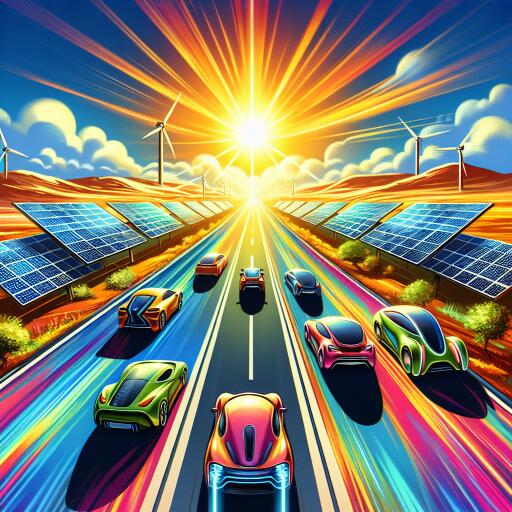
Solar Puts Us in Fast Lane to 100% Renewables
In recent years, significant strides have been made in reducing reliance on fossil fuels, primarily through the adoption of renewable energy sources. An example of this transformation can be seen in the life of an academic living in Canberra. A few years ago, he switched from gas heaters to electric heat pumps for both space and water heating, effectively reducing his gas expenses to zero. Further enhancing his energy independence, he purchased an electric vehicle, eliminating his gasoline costs altogether.
To complement these adjustments, he installed rooftop solar panels, which generate enough electricity to balance nighttime consumption, reducing his electricity bill to nothing. These investments are projected to break even within approximately eight years.
This individual’s experience underscores the potential of rooftop solar and the electrification of various aspects of daily life to deliver the most economical domestic energy solutions in history. Solar energy, often supported by wind power, offers an abundant, clean, and perpetually sustainable energy source.
The challenges of energy storage are being effectively addressed, and concerns about depleting raw materials have been proven unfounded. As Australia progresses in its energy transition, solar and wind power emerge as the most efficient path to achieving 100 percent renewable energy.
Despite favorable technological arguments, the transition to renewable energy must overcome challenges. One primary concern is the division within communities affected by renewable energy infrastructure projects. Solutions such as equitable compensation and comprehensive education on regional economic opportunities can facilitate smoother transitions.
Solar Growth and Its Impact
Solar power offers limitless energy for billions of years, producing the most cost-effective energy in history, free from greenhouse gases, smog, and water consumption. This explains solar energy’s rapid escalation, outpacing other power generation technologies globally.
In 2024, new solar generation capacity reached approximately 560 gigawatts, surpassing the combined total of other energy sources like wind, hydro, coal, gas, and nuclear. With current growth trajectories, solar generation capacity will exceed that of all other sources combined by 2030.
Solar’s rise is evident in Australia, where about 37% of the nation’s electricity is derived from solar and wind. This progress is complemented by hydroelectric power from decades-old stations, and per capita solar energy generation in Australia outpaces every other country globally.
Since 2015, around 99% of new generation capacity in Australia has come from solar and wind, driven entirely by private investment. The energy market signals a decisive victory for solar and wind as dominant energy sources, aligning with national targets of reaching 82% renewable electricity by 2030.
Energy Resilience and Storage Solutions
Integrating solar energy with energy storage solutions, such as hot water tanks, electric vehicle batteries, and home batteries, enhances energy resilience, maintaining consistency across various interruptions. This resilience is applicable at domestic, urban, state, and national levels.
Managing the balance of solar and wind energy involves cost-effective methodologies using available technologies. New transmission networks facilitate the distribution of solar and wind power, balancing regional weather differences.
Energy storage consists of short-term batteries and long-term pumped hydro storage solutions. Pumped hydro accounts for 95% of global energy storage, typically involving two reservoirs at different altitudes. Renewable energy pumps water into the higher reservoir during sunny or windy periods, which is later released downhill to recover stored energy.
Australia has vast surplus potential for pumped hydro energy storage, supporting the entire renewable energy infrastructure. Ongoing projects like Snowy 2.0 are set to significantly augment national energy storage capabilities.
Addressing Misconceptions
Despite the merits of solar energy, some misconceptions persist. Concerns about space availability, resource requirements, and waste from solar panels are often raised.
- Space Utilization: The majority of land used for solar and wind farms remains viable for agriculture. The space needed to generate enough solar energy per person is minimal.
- Visual Aesthetics: Locals hosting solar and wind farms are well-compensated, while the impact on the landscape is minor compared to other industrial developments.
- Resource Depletion: Solar panels are composed of abundant materials, and do not require critical minerals. Concerns about solar panel waste are manageable, with the waste mostly comprising recyclable glass.



Leave a Reply