

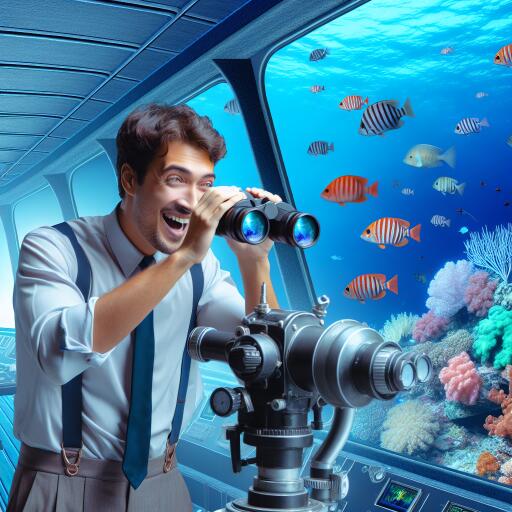
Philippine Marine Exploration Excites OceanX Founder Mark Dalio
Set to embark on a groundbreaking mission, the OceanXplorer, touted as the most advanced vessel for scientific research and media production ever constructed, is poised to begin its exploration of the Philippines early next year.
The expedition promises to uncover the intricate depths and marine wealth of this biodiverse archipelago, which ignites the excitement of Mark Dalio, the founder and co-CEO of OceanX, a nonprofit devoted to ocean exploration and its broad dissemination.
In a recent discussion during the Philanthropy Asia Summit in Singapore, Dalio shared his thoughts on this initiative, noting the group’s initial plans to reach the Philippines by the end of 2025 as part of an extensive mission across Southeast Asia—a region known for its rich yet endangered marine environments. However, logistical challenges have shifted the deployment to early 2026.
An Abundance of Spectacular Sites
Dalio highlighted the difficulty in selecting precise research sites amid the Philippines’ plethora of ecologically significant waters. “Imagine being a kid in a candy store; the choices for amazing locations are just plentiful,” he remarked.
Last year, Dalio and the OceanX team visited the Philippines, conducting exploratory talks with government bodies, potential collaborators from academia, and civil society partners.
Strategic Partnership with the Department of Agriculture
These initial discussions have led to a strategic agreement between OceanX and the Philippines’ Department of Agriculture to evaluate the health and diversity of local fisheries, which are vital to the nation’s food supply.
Agriculture Secretary Francisco Tiu Laurel Jr. emphasized the long-term benefits of OceanX’s research, underlining its role in improving marine ecosystem studies, protection efforts, and sustainable development.
“The data we collect will provide critical insights into our marine resources, our extensive coastline, and our unique biodiversity,” explained Tiu Laurel. “This knowledge will assist us in devising strategies to conserve and optimize these resources for the future.”
Dalio believes that integrating cutting-edge technology with meaningful partnerships can illuminate ocean mysteries and produce actionable insights for sustainable management. This is crucial, as Filipinos rely heavily on marine protein sources.
“Our collaboration with the DA illustrates how science and innovation can forge long-term impact—not only in understanding marine ecosystems but also in empowering communities that depend on them,” Dalio stated.
Fostering Ocean Stewardship
Dalio expressed enthusiasm about working with scientists, policymakers, and community stakeholders to inspire ocean stewardship, while equipping future generations with the necessary knowledge and tools for sustainability.
Last year, OceanX was active in Singapore and embarked on a mission in Malaysia.
Technological Marvel on the Horizon
The OceanXplorer, once an oil and petroleum survey ship, has been completely transformed by OceanX into a sophisticated research facility and top-tier media production studio. It boasts specialized Triton submersibles capable of descending 1,000 meters below sea level, armed with advanced cameras and tools to observe, document, and gather samples for onboard study.
OceanX operates under Dalio Philanthropies, an endeavor that enriches the various philanthropic passions of the Dalio family. Founded by Raymond Thomas Dalio, who also founded Bridgewater Associates, the world-renowned hedge fund, OceanX exemplifies their commitment to oceanic exploration and sustainability.
Expanding Educational Collaborations
Previously, OceanX reached out to educational organizations for collaborative proposals to maximize the forthcoming Philippine expedition’s impact and ensure widespread benefits. Dalio emphasized the potential financial implications of their work on fisheries and biodiversity, given the economic importance of fish exports.
“Using our genomics lab onboard, we can gain a detailed understanding of the fisheries’ health,” Dalio explained. “This will guide us in maintaining fish populations and could reveal the causes of declines in certain areas. Conducting research with real-time data assessments promises long-term benefits.”



Leave a Reply