

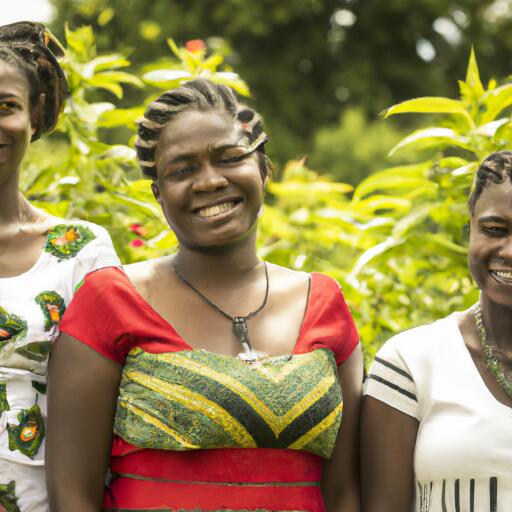
Talking Green World: Zim women should be given equal leadership opportunities in SDG7 projects, their inclusivity will catapult energy sovereignty
Zimbabwe stands at a decisive moment: abundant sunshine, surging electricity demand, and fresh regulatory reforms have created a rare opening to scale renewable energy. Yet one ingredient remains underutilized—the leadership of women. Elevating women to equal decision-making roles across Sustainable Development Goal 7 (SDG7) projects could be the catalyst that turns energy insecurity into energy sovereignty.
Why women’s leadership is a game-changer
Energy systems are not only about megawatts; they are about people, trust, and long-term value. Women already shoulder the burden of energy poverty in homes, clinics, and schools, especially in rural communities from Gokwe to Muzarabani. When women lead and co-lead projects, evidence from across sectors shows stronger stakeholder engagement, better risk management, and solutions that reflect community needs—from clean cooking and productive use of energy to last‑mile maintenance and billing.
In Zimbabwe, women constitute roughly half the population but hold a far smaller share of leadership roles in infrastructure and industry. Correcting that imbalance is not just fairness—it is strategy. Bringing more women into boardrooms, executive teams, and engineering leadership can unlock the human capital needed to move from a power deficit to a power surplus, with reliability that supports factories, data networks, hospitals, and modern agriculture.
The investment window is open
Zimbabwe benefits from some of the highest solar irradiation on the continent, growing demand driven by industrial activity and urbanization, and expanding interest from financiers seeking credible renewable pipelines. Opportunities exist for Independent Power Producers (IPPs) backed by long-term, bankable Power Purchase Agreements (PPAs)—the kind of 15–20 year contracts that underpin serious capital flows. Supportive policy moves, clearer procurement pathways, and public‑private partnerships are already encouraging signals to investors.
Analysts point to a feasible pathway that would add multiple gigawatts of new capacity by 2030, anchored in utility-scale solar, hybridized with storage, and complemented by mini-grids and commercial rooftop systems. But hardware alone will not solve grid bottlenecks: transmission upgrades, modern control systems, and smart metering must advance in parallel to absorb intermittent renewables and safeguard power quality.
Putting women at the helm of SDG7 delivery
- Leadership parity: Set time-bound targets for women’s representation on energy utility boards, regulatory commissions, IPP executive teams, and technical steering committees.
- Gender-responsive procurement: Embed scoring for women-led firms and joint ventures within tender frameworks; require gender plans in bids and monitor delivery.
- Dedicated finance: Create ring-fenced facilities, guarantees, and green bonds tailored to women-led IPPs, EPC firms, and mini-grid developers; mobilize domestic pensions and insurance capital.
- Skills pipeline: Expand scholarships, apprenticeships, and re-skilling programs for women in power systems, project finance, and O&M; pair with mentorship and executive coaching.
- Community energy enterprises: Support women’s cooperatives to own and operate mini-grids, cold-chain hubs, and irrigation systems that turn kilowatts into incomes.
Such measures transform access into agency. When women co-design tariffs, site selection, and customer outreach, uptake increases and payback improves—vital metrics for lenders evaluating risk.
Making capital comfortable: policy to bankability
Investors consistently ask for three basics: clarity, consistency, and credible partners. Zimbabwe can accelerate deals by standardizing PPAs, establishing currency-risk buffers, and enabling transparent wheeling for commercial and industrial customers. Streamlined licensing and grid-connection timelines—backed by a one-stop service for permits—reduce soft costs that often kill early-stage projects.
On the system side, prioritizing strategic transmission corridors and substations will unlock clusters of IPP projects, while digital tools can optimize dispatch and forecasting. Regionally, deeper participation in the Southern African Power Pool (SAPP) and strengthened interconnectors would turn excess capacity into export revenue during off-peak periods.
From clean electrons to inclusive growth
SDG7 is the backbone of SDG9 (industry and innovation) and SDG13 (climate action). Reliable renewable power enables agro-processing, data centers, EV charging, and mineral beneficiation—creating jobs that attract youth and stem skills flight. In clinics and schools across districts like Guruve and Odzi, dependable power supports vaccine cold chains, night studies, and digital classrooms. That is social inclusion in action.
Critically, a gender-balanced energy strategy unlocks new markets: women entrepreneurs are central to deploying solar irrigation, e-mobility services, and productive-use equipment that increases the economic value of each kilowatt-hour.
Milestones for 2026–2030
- Adopt a national gender parity framework for the energy sector, with annual public reporting.
- Commission standardized, bankable PPA templates and establish a currency stabilization mechanism for IPPs.
- Complete priority transmission upgrades to integrate utility-scale solar and storage.
- Deploy a portfolio of women-led mini-grids and C&I rooftop projects across at least 10 districts.
- Mobilize a blended-finance fund dedicated to women-led SDG7 enterprises.
- Launch a national program that links electrification with productive-use assets for SMEs, with at least half of beneficiaries being women.
Toward energy sovereignty
Energy sovereignty is not about isolation—it is about resilience and choice. Diversified renewables, modern grids, and strong local ownership reduce exposure to fuel price shocks and supply disruptions. With the right policies and leadership mix, Zimbabwe can move from import dependence to a net exporter of clean power, turning electricity into a tradable asset as valuable as agricultural or mineral commodities.
The path is clear: scale renewables, fix the grid, de-risk finance, and put women in the rooms where megawatt decisions are made. Do this, and SDG7 becomes more than a target—it becomes a nation-building strategy that lights homes, powers industry, and secures a prosperous, green future for all.



Leave a Reply