

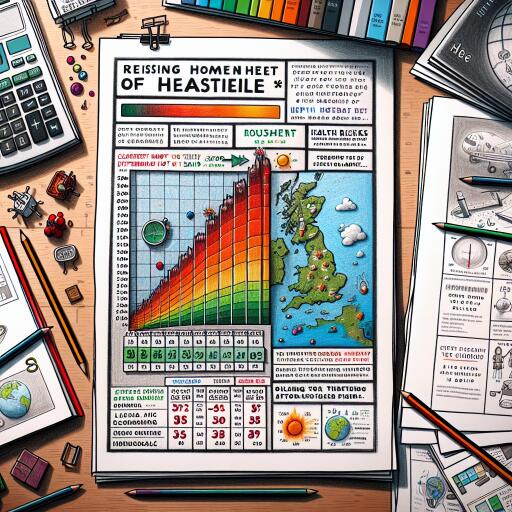
Report reveals how many dangerously hot days a year Ireland gets and the health threats posed by climate change
Health experts warn that climate change is now driving a surge in heat-related risks that are straining communities and health systems worldwide — Ireland included. The past year was the hottest ever recorded, and the combination of extreme temperatures, wildfire smoke, and weather shocks is pushing threats to human health to unprecedented levels. At the same time, political hesitancy on climate action risks slowing progress at the very moment when speed and scale are critical.
How many dangerously hot days are people facing?
Globally, the average person endured roughly 16 additional days of heat that can endanger health compared with a world without human-driven warming. For those most vulnerable — babies under one year and older adults over 65 — exposure was even higher, with around 20 heatwave days on average. These figures help explain the mounting reports of heat stress, dehydration, and exacerbations of heart and lung disease during hot spells.
While Ireland’s temperate climate has historically offered protection, that buffer is shrinking. Summers are lengthening, hot periods are becoming more intense, and humid nights that prevent the body from cooling are more common. The result is growing pressure on emergency departments, more frequent heat advisories, and increased risks for older people, infants, people with chronic conditions, outdoor workers, and those living in poorly insulated homes or urban heat hotspots.
Compounding threats: smoke, drought, and food insecurity
Hotter, drier conditions have amplified wildfire activity. Fine particles in wildfire smoke can travel long distances, worsening air quality far from the flames. Last year, smoke-related pollution was linked to an estimated 154,000 deaths worldwide. Even short-term exposure can trigger asthma attacks, heart problems, and other respiratory issues, while repeated exposure compounds the risk.
Heat and prolonged drought have also intensified food insecurity globally by damaging crops, stressing livestock, and disrupting supply chains. For Ireland, this means potential price volatility, import pressures, and new challenges for domestic agriculture, including heat stress for outdoor workers, greater irrigation needs, and heightened risks to soil moisture and water availability during dry spells. Nutrition and health are closely tied: when food becomes less affordable or less available, vulnerable households face higher risks of malnutrition and related illnesses.
Why urgent action matters
Without a rapid phaseout of fossil fuels and a decisive push to adapt, the damage to lives and livelihoods will worsen. The current trajectory points to more frequent heat emergencies, greater wildfire smoke exposure, and compounding crises that stretch hospitals, disrupt education and work, and widen health inequalities. The science is unequivocal: cutting greenhouse gas emissions reduces warming and, with it, the intensity and frequency of dangerous heat. Adaptation measures — from better housing to smarter urban design — can save lives right now.
Protecting health in a hotter Ireland
- Heat-health early warning systems: Improve alerts that help hospitals, care homes, schools, and employers prepare before heat spikes.
- Cool refuges and community outreach: Provide public cooling spaces and check-in programs for isolated or at-risk residents, especially older adults and infants.
- Homes that stay cool: Retrofit insulation and ventilation, install shading, and encourage passive cooling to reduce indoor temperatures during heatwaves.
- Greener, shadier cities: Plant trees, expand parks, use reflective surfaces, and reduce traffic emissions to lower urban heat islands and improve air quality.
- Worker protections: Adjust schedules, provide shade and hydration, and enforce heat safety standards for outdoor and manual workers.
- Wildfire and smoke preparedness: Enhance fire risk monitoring, manage vegetation, and develop clean-air shelters; ensure access to respirators and indoor air filters during smoke events.
- Water and food resilience: Strengthen water conservation and storage, diversify crops, and support farmers with drought planning and heat-resilient practices.
- Clean energy and transport: Scale up renewables, improve public transport and cycling infrastructure, and accelerate the transition away from fossil fuels to cut both emissions and air pollution.
Progress is possible
Communities and local authorities are already testing practical solutions: tree-planting and shading projects, public heat alerts, retrofitting programs, and cleaner transport options. These steps cut emissions, reduce hospital admissions, and make neighborhoods more livable. With coordinated investment in health services, housing, energy, and planning, Ireland can lessen the toll of extreme heat and other climate-related hazards while delivering cleaner air and more resilient local economies.
The message from health experts is clear: the window to avert escalating harm is narrowing, but the tools to protect people are at hand. Reducing emissions and accelerating adaptation now will save lives, safeguard livelihoods, and ease pressure on the health system as temperatures continue to rise.



Leave a Reply