

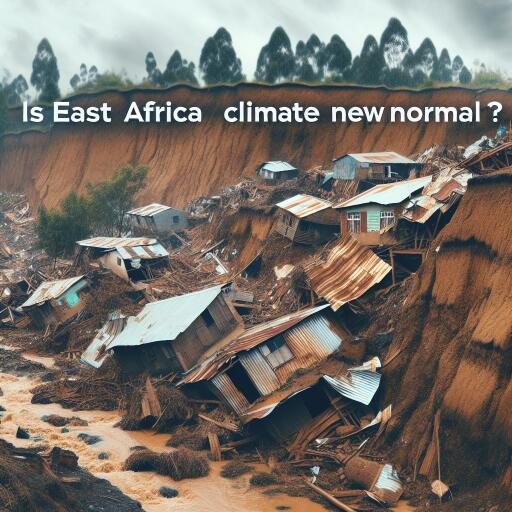
Landslides Kill 30 in Southern Ethiopia .. Is East Africa Facing Climate “New Normal”? – African Eye Report
At least 30 people have been confirmed dead after days of torrential rain triggered deadly landslides and flash floods in Ethiopia’s Gamo highlands. Communities around Arba Minch were hardest hit as saturated slopes collapsed, burying homes and severing key roads and bridges. Local administrators say more people remain unaccounted for as rescue teams navigate unstable terrain and debris-choked routes.
Residents describe rains that began as a steady downpour and then intensified into a relentless deluge, turning footpaths into torrents and hillsides into moving earth. Authorities report that multiple districts suffered simultaneous slope failures, overwhelming emergency services and complicating access to remote villages.
Two Days of Rain, Minutes of Chaos
According to regional officials, the disaster unfolded after back-to-back storms saturated already fragile soils. With hillsides waterlogged, entire sections gave way, sweeping through homes at the base of slopes. Rescue workers say the full extent of the destruction remains unclear as communications and transport links were knocked out in several places. Temporary shelters have been set up for displaced families, while engineers assess damaged bridges and culverts.
Shockwaves Across the Region
The crisis does not stop at Ethiopia’s borders. Neighboring countries have also reported deadly flooding in recent days, underscoring a pattern of synchronized, high-intensity storms across East Africa. Meteorological services warn that further heavy rainfall is likely in coming days, raising the risk of additional slope failures, river overflows, and flash floods. The timing is particularly worrying for rural households—fields have been flooded, seedlings washed out, and grazing lands scarred by runoff—threatening already stretched food supplies in the months ahead.
Why Are the Rains So Intense?
Across East Africa, long-term observations show a growing volatility in rainfall—punishing wet spells punctuated by severe droughts. A warmer atmosphere holds more moisture, and when that moisture is released, downpours can be more intense. Warmer ocean waters in the western Indian Ocean also supply extra fuel for storms. Climate variability linked to large-scale patterns such as El Niño and shifts in the Indian Ocean Dipole can stack the odds toward extreme rains, while human-driven climate change increases the likelihood that those extremes become more frequent and more severe.
In mountainous regions like the Gamo highlands, this new reality is especially dangerous. Steep, deforested, or overgrazed slopes absorb less water; soils become saturated faster; and river channels clog with sediment. When storms arrive in clusters or stretch over multiple days, the risk of catastrophic failure climbs sharply.
Infrastructure, Health, and Food on the Line
The human toll is immediate and devastating, but the ripple effects will continue long after the floodwaters recede. Washed-out bridges slow aid delivery and disrupt market access. Damage to roads and irrigation systems hampers recovery for farmers. Contaminated water supplies raise the risk of waterborne disease. In low-lying fields, crops can suffocate under silt and standing water, while on slopes, topsoil—the foundation of future harvests—is stripped away. For pastoralists, sudden losses of forage and water access can quickly cascade into livestock stress and loss.
A Tragic Pattern Emerges
This week’s disaster echoes a deadly slide earlier this year in Ethiopia’s Geze Gofa Zone, where official figures recorded more than 200 deaths, among them rescuers attempting to reach survivors. The recurrence of large, deadly landslides within months highlights both the exposure of hillside communities and the increased hazard posed by intensifying rainfall events.
Can the Worst Be Prevented?
While the rains cannot be controlled, the risks can be reduced. Experts emphasize a set of measures that can save lives and protect livelihoods:
- Early warnings that actually reach people—via radio, SMS, community leaders—and are linked to clear evacuation plans.
- Hazard mapping to identify no-build zones on unstable slopes, floodways, and landslide-prone ravines.
- Slope management: reforestation, terracing, and soil-conserving agriculture to stabilize hillsides and improve infiltration.
- Stormwater and river management: larger culverts, maintained drainage, debris traps, and regular desilting of channels.
- Stronger rural transport lifelines—bridges and feeder roads designed for extreme rainfall—to keep aid and commerce moving.
- Community-based preparedness drills and stockpiles of essentials in safer locations.
In the aftermath, swift support—temporary shelter, clean water, medical care, and livelihood assistance—can prevent a disaster from becoming a prolonged humanitarian crisis.
The “New Normal” Question
Whether this is a new normal or a rapidly changing one, East Africa is clearly entering an era of sharper climate extremes. More intense bursts of rainfall mean more flash floods and landslides; deeper dry spells invite harsher droughts and fire risk. Preparing for both ends of the spectrum is no longer optional. Local adaptation—stronger infrastructure, resilient farming systems, and effective early warning—must accelerate. At the same time, cutting global greenhouse gas emissions remains essential to limit how far and how fast these risks grow.
For families mourning loved ones in the Gamo highlands, these debates are painfully immediate. They are living at the front line of climate risk—where a few inches of rain, falling at the wrong time and speed, can remake a landscape in minutes. The task ahead is clear: rebuild safer, prepare earlier, and ensure communities have the tools to withstand the next storm.



Leave a Reply