

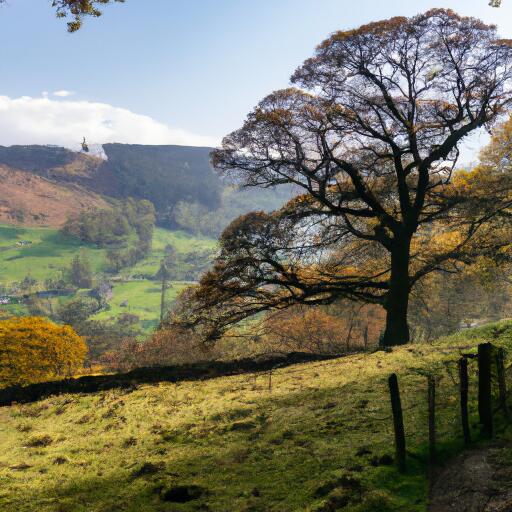
The tranquil hillside perfect for a weekend stomp, but it has become a battleground – Manchester Evening News
On a clear day the moorland above the northern edge of Greater Manchester looks almost untouched: frost crunching underfoot, sheep cropping the heather, and the wind shifting over wide, open peat. Yet this quiet ridge is now the focal point of a fierce debate about how England should make its electricity—and at what cost to landscapes and habitats.
Scout Moor, which has hosted 26 wind turbines for nearly two decades, could soon change again. A new proposal dubbed “Scout Moor II” would add 17 larger machines—up to 180 metres to blade tip—on the eastern side of the moor. The developer says the scheme could generate around 100 MW of power, enough to supply roughly 100,000 homes each year.
Mixed feelings on the valley floor
Conversations in the villages that ring the moor suggest a community split rather than galvanised. Some residents view the tall white rotors as graceful markers of progress and cleaner air. Others, especially those with a view across the upland, describe them as an intrusion on a cherished skyline and a magnet for further industrialisation of a place people visit to breathe out and walk.
Opposition is organised. A local campaign—drawing in neighbourhood forums and civic groups—argues the expansion would intensify visual impacts and transform a familiar horizon. Critics also point out that a previous extension was curtailed in 2017 after an inspector raised landscape concerns.
Peat under pressure—or restored?
Beneath the tussock grass lies the issue that matters most ecologically: peat. These deep, dark soils are among the UK’s richest carbon stores, built up over millennia in cool, wet conditions. Disturb them, and they release carbon; heal them, and they lock carbon away while improving water quality, biodiversity, and flood resilience downstream.
Opponents fear the foundations, crane pads and access tracks needed for 17 turbines would carve through metres of peat, destroying something that cannot simply be replaced. The developer counters with a pledgeto restore peatland at a ten-to-one ratio for every hectare affected, describing a plan to repair around 346 hectares of degraded bog—one of the largest restoration programmes proposed in northern England. Techniques would include blocking historic drainage grips, replanting native sphagnum mosses, slowing water flows, and reusing excavated peat where appropriate. Detailed peat and moorland management plans have been submitted to the councils.
The ecological calculus is complex. Good restoration can reduce emissions, revive blanket bog habitats for curlew and other upland species, and cut wildfire risk by rewetting dry peat. But restoration success depends on meticulous design, long-term funding, and careful construction to avoid releasing more carbon than is later saved.
Jobs, money and who benefits
The developer says building the wind farm would support the equivalent of around 210 full-time jobs over roughly two years, including local roles in civils, transport, environmental surveying and equipment supply. Once operational, the site would be largely monitored remotely, with a local asset team and contracted technicians carrying out inspections and maintenance. Peatland restoration and land management are flagged as ongoing roles over the project’s 40-year lifespan.
Financially, the scheme is presented as a privately funded investment of more than £200 million backed by institutional investors. Around £50 million is expected to flow through local and regional supply chains during construction. Annual business rates are forecast to exceed £1 million across the life of the project.
A Community Wealth Fund worth £20 million over the wind farm’s lifetime is also proposed, with a guaranteed £600,000 a year (linked to inflation) based on installed capacity. An independent local trust would oversee distribution, with priorities to be set by community representatives.
What about the view—and the noise?
Landscape scale is central to the row. At up to 180 metres, the new turbines would be far taller than the existing machines, prompting worries about cumulative visual change and perceived dominance on the ridge. Some residents also raise concerns about noise, shadow flicker, and effects on heritage features scattered across the moor.
Supporters respond that an upland already hosting wind generation is a logical place to add capacity, and that modern turbines produce far more electricity per machine. They also note that onshore wind is among the cheapest sources of new power in the UK—cutting bills as well as emissions—and argue that the climate crisis demands trade-offs.
Planning and the long road ahead
Formal applications have been lodged with Rochdale and Rossendale councils, the local planning authorities that will determine the outcome. The developer expects to refine the scheme as consultations progress, with further public engagement anticipated in early 2026 and committee decisions likely later that year. In the meantime, public meetings continue, and residents on all sides are being urged to submit representations to the councils.
Energy transition meets upland ecology
England has built very little new onshore wind for more than a decade, even as it races to decarbonise the grid. Projects like Scout Moor II bring the transition into sharp focus: they promise homegrown electricity and local investment, yet they demand space—and, in this case, careful handling of globally important peatlands.
For now, the hillside remains a place for dogs, boots and wide skies. Whether those skies will soon be shared with 17 taller turbines depends on how convincingly the scheme can balance climate gains with the moor’s carbon stores, wildlife, and the landscape identity that draws people up there in the first place.



Leave a Reply