

Thousands of dumped wind-turbine blades prompt crackdown in Texas | Texarkana Gazette
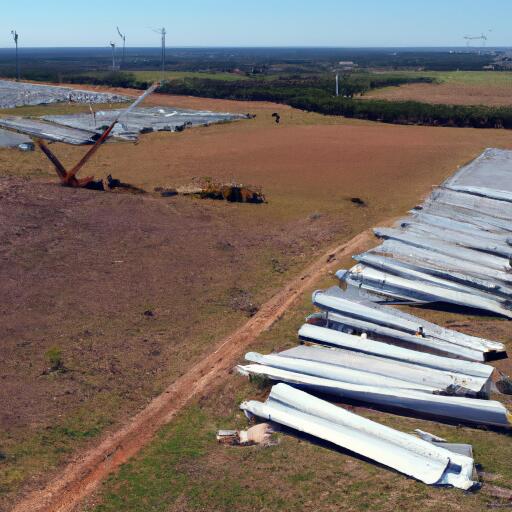
On the edge of Sweetwater, Texas, a sprawling graveyard of wind-turbine blades has loomed for years—vast white arcs cut into thirds and stacked across fields near Interstate 20. Locals say the piles harbor rattlesnakes, trap water that breeds mosquitoes, and tempt children to climb inside. City officials have priced removal at tens of millions of dollars—well beyond what the town can afford.
What began as a bold promise to turn decommissioned blades into usable materials has morphed into a costly standoff. The state has sued the company that accumulated the waste, and criminal indictments have followed. For a community that prides itself on both grit and clean-energy know-how, the optics are painful.
From economic promise to eyesore
Sweetwater welcomes thousands of visitors annually for its famous rattlesnake roundup and sits in a region synonymous with wind power. That reputation, residents argue, has taken a hit. “It’s really ugly,” said city attorney Samantha Morrow, noting that estimates to clear the sites range from $13 million to $54 million. Economic development leaders say the mess undercuts efforts to attract investment linked to the clean-energy boom.
The stockpiles trace back to Global Fiberglass Solutions (GFS), which moved into a former aluminum recycling plant in 2017 with plans to process turbine blades into pellets, panels, and other products. The company secured contracts to remove and recycle thousands of blades. But according to former staff and court filings in related cases, the business struggled to scale its technology and failed to line up steady buyers for its recycled materials, allowing the backlog to balloon.
Texas brings the hammer
Texas Attorney General Ken Paxton filed a civil lawsuit in February accusing GFS of violating environmental laws by amassing blades without proper permits and continuing to accept material after state regulators told the company to stop. Prosecutors in Nolan County say four people have been indicted for illegal dumping and theft of property, and the district attorney has signaled more charges could come.
“They took the money and left everyone else holding the bag,” District Attorney Ricky Thompson said at a press conference near the blade piles. Names in the criminal case have not been publicly released by officials. Separately, in Iowa, state authorities have sued GFS and company executives, alleging unlawful disposal of solid waste linked to similar blade stockpiles.
GFS’s chief executive, Don Lilly, has said he did not “dump” blades and that the company has been committed to recycling them. He has also cited a catch-22: securing large volumes of blades before finding consistent buyers for recycled outputs. The company has declined further public comment, citing ongoing litigation.
A hard-to-solve recycling problem
As wind farms repower—replacing older components with larger, more efficient ones—blade retirements are rising. One estimate projects up to 43 million tons of blade waste globally by 2050. While most of a turbine can be readily recycled, blades are different: they are complex composites made of fiberglass or carbon fiber bound with resin around a wood or foam core. Separating those materials is expensive and energy-intensive, and transportation itself is a hurdle given the blades’ enormous size.
Some blades are shredded and fed into cement kilns, where their fibers and resin can partially substitute for raw materials and fuel. But the pathway is limited: kilns require steady, predictable inputs, the grinding equipment is costly and prone to wear, and the economics often favor landfilling. Other firms are testing chemical or thermal processes to recover fibers and resins, designing next-generation blades with recyclability in mind, or upcycling old blades into bridges, shelters, or concrete fillers—solutions that, so far, remain niche or local.
How the backlog grew
Founded in 2009 in Washington state, GFS initially focused on hard-to-recycle composites and later pivoted to wind blades. The company secured deals to remove thousands of blades, including contracts paying more than $3,500 per unit. Former employees say the Sweetwater plant never reached full commercial output and that clients grew frustrated as blades piled up at multiple sites in Texas and Iowa. GFS has disputed some of those characterizations and said permitting delays affected operations.
State regulators cited the company in 2022, ordering it to obtain permits for existing stockpiles and stop taking new material until in compliance. Officials say GFS failed to heed those directives. Trucking firms that hauled blades to the sites report not being paid in full. “It’s been a wreck for our company,” said Sweetwater hauler Cliff Dent, who bought specialized trailers and says he is owed hundreds of thousands of dollars.
In Iowa, where blades also accumulated, a major turbine manufacturer funded removal efforts at significant cost after authorities moved toward enforcement. A subsequent civil suit against GFS led to a 2024 court ruling awarding the manufacturer more than $15 million, plus interest and fees. Separately, Iowa’s suit against GFS and two executives continues, with an appeal pending on preliminary matters.
Policy shifts and industry reckoning
Wind power remains among the lowest-carbon electricity sources and a cornerstone of decarbonization, particularly in Texas, the nation’s wind leader. Yet visible waste undermines public confidence and offers easy fodder for critics. Policymakers and industry groups are responding. In Europe, turbine makers have adopted voluntary landfill bans for blades, nudging more investment into recycling. In Texas, new rules require wind projects to budget for end-of-life management of major components, helping ensure future decommissioning doesn’t fall to communities.
What comes next for Sweetwater
No firm timeline exists for clearing the blade fields. Options include transporting the material to distant landfills, processing it for cement kilns where available, or contracting specialized recyclers—each route expensive and logistically complex. Meanwhile, residents remain uneasy.
“They’re stacked like handmade forts,” Dent said, worried children will get hurt. For Sweetwater, a town that helped power the renewable revolution, the goal now is straightforward: turn a cautionary tale into a cleanup plan, and make sure the next generation of clean-energy growth comes with a responsible end-of-life blueprint attached.



Leave a Reply