

What are the conservation efforts of the Lekki Conservation Centre? – Curious Expeditions
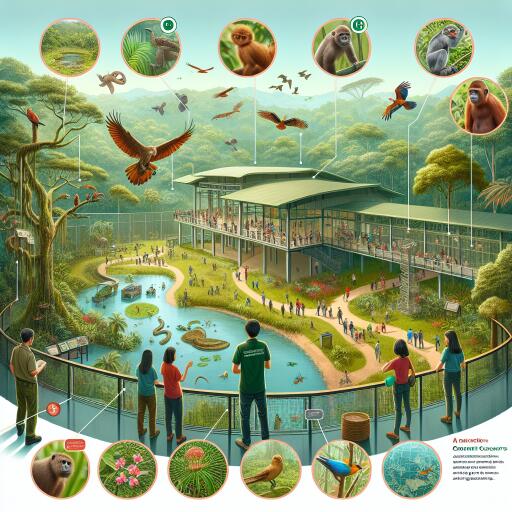
On the edge of Lagos’ relentless growth, the Lekki Conservation Centre (LCC) stands as a living proof that wild nature and megacity life can coexist. Spread across roughly 78 hectares of mangrove, swamp forest, and savannah patches, this urban sanctuary safeguards biodiversity while blending classic conservation with modern monitoring tools. Managed by the Nigerian Conservation Foundation, the reserve functions as both refuge and classroom, where protection, research, and public engagement reinforce each other.
Guarding an urban wilderness
The LCC operates as a protected area, a status that underpins its daily work: patrols deter encroachment, illegal logging, and wildlife trapping; boundaries are monitored to keep habitat intact; and regulations are actively enforced. To make those efforts more effective, rangers complement field expertise with technology such as camera traps, GPS-enabled patrol logs, and targeted surveillance in sensitive zones. Community tip lines and trusted networks help flag suspicious activity early, reducing pressure on wildlife.
Rescue, rehabilitation, and rewilding
Wildlife rescue is a quiet engine of the Centre’s impact. Injured or displaced animals receive veterinary assessment, short-term care, and, where viable, soft-release back into suitable habitat. This work, paired with conflict-prevention outreach, keeps species such as monkeys and reptiles from becoming casualties of urban expansion, while maintaining the ecological balance of the reserve.
Eco-tourism that funds protection
Carefully managed nature tourism turns curiosity into conservation. Guided boardwalks and the canopy walkway give visitors a rare, low-impact view into the treetops and wetlands while funding habitat management, research, and education. Interpretation along trails translates scientific insight into memorable stories, helping visitors understand why mangroves filter water, how forest canopies function, and what each person can do to reduce environmental pressure. School programs, youth nature clubs, and teacher workshops build local environmental literacy from an early age.
Community partnerships and shared benefits
Conservation is far more durable when neighbors share in the gains. The LCC collaborates with nearby communities to promote sustainable agriculture, reduce mangrove clearing, and develop alternative livelihoods tied to conservation—beekeeping, eco-guiding, handicrafts, and other micro-enterprises that thrive because the forest does. Training and small grants help these ventures grow, aligning household income with habitat protection.
Species at a glance
- Mona monkeys moving between canopy and forest floor
- West African dwarf crocodiles and other reptiles in wetland refuges
- Resident and migratory birds that rely on mangroves and savannah edges
- Butterflies, dragonflies, and countless pollinators vital to ecosystem health
- Snakes and other small fauna that signal a functioning food web
Science, data, and invasive control
As a living laboratory, the Centre supports vegetation plots, water quality testing, camera-trap surveys, and canopy-level observations enabled by the walkway. These datasets guide management decisions—where to restore native vegetation, how to maintain hydrology in swamps, and which trails need rerouting to prevent erosion. Invasive species are tackled through a blend of manual removal, targeted treatments where appropriate, and competitive planting with native species to stabilize habitats.
Keeping threats at bay
Anti-poaching patrols and zero-tolerance for snares protect vulnerable wildlife, while structured enforcement discourages repeat offenses. Waste is handled through strict pack-in/pack-out messaging, strategically placed bins, and routine cleanups. Pollution from the surrounding city is mitigated with buffer vegetation and water-flow management that keep wetlands functioning as natural filters.
Planning a visit
The reserve typically welcomes visitors daily, with most activities scheduled between morning and late afternoon (often around 8:30 a.m. to 5:00 p.m.). Entry fees generally fall in the ₦1,000–₦2,000 range and may change over time. The canopy walkway includes a safety briefing and capacity limits to protect both people and habitat. During peak periods, visitor numbers can be capped to ensure a low-impact experience.
Ways to support
Keeping an urban sanctuary healthy requires steady support. Individuals can contribute through responsible visits, donations, and participation in citizen education. Businesses amplify impact via sponsorships, staff volunteer days, and adopting trails or research plots. Academic partners collaborate on biodiversity monitoring and restoration trials. Volunteer opportunities—ranging from environmental education to wildlife monitoring and visitor engagement—are organized through the Centre’s programs and coordinated with the Nigerian Conservation Foundation.
Why it matters
The Lekki Conservation Centre demonstrates that conservation can thrive in the heart of a metropolis when science, community, and careful tourism pull in the same direction. Its resilience rests on three pillars: sustained funding for habitat management, vigilant enforcement to keep threats in check, and trust-based partnerships with local residents. In a rapidly urbanizing world, LCC is more than a green space—it is a working blueprint for how cities can protect biodiversity, teach the next generation, and adapt to environmental change without losing what makes their landscapes truly alive.



Leave a Reply