

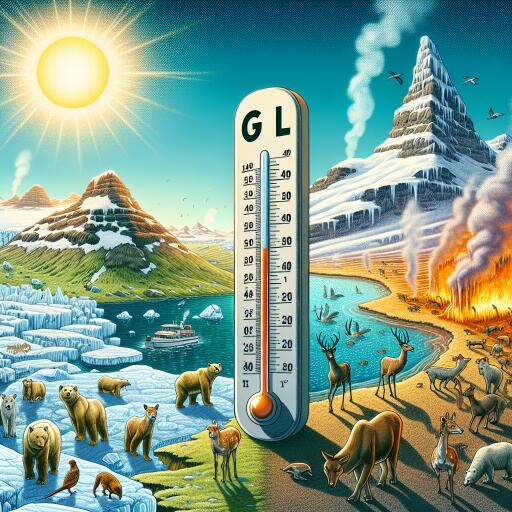
Greenland and Iceland Saw Record Heat in May
The latest analysis reveals a significant increase in temperatures in Greenland and Iceland during a May heat wave, largely attributed to human-induced climate change. This unprecedented surge in heat has raised alarms about the potential consequences of Arctic ice melt on global weather patterns.
In Greenland, the ice sheet experienced melting at rates far beyond the norm throughout this period. The analysis highlights that at least two regions reported record-breaking May temperatures. Iceland also witnessed extraordinary temperature anomalies, with some areas experiencing temperatures more than 10°C (18°F) above the average. A new national record for the warmest May temperature was established when Egilsstadir Airport soared to 26.6°C (79.9°F) on May 15.
The effects of such temperature extremes extend beyond local phenomena. The alarming rate of ice melt can lead to disruptions in ocean currents, which play a crucial role in regulating climate. These alterations can have ripple effects, potentially influencing weather patterns far from the Arctic, demonstrating the interconnectedness of global climate systems.
These record temperatures underscore the urgent need for actionable strategies to mitigate climate change. With the Arctic warming more than twice as fast as the global average, it serves as a pivotal indicator of broader environmental shifts. The warming experienced in May highlights the increasing frequency and intensity of weather anomalies, pointing to a future where such occurrences may become more common unless meaningful interventions are implemented.
Overall, May’s record-setting heat in Greenland and Iceland is a stark reminder of the accelerating impacts of climate change. As scientists continue to study these patterns, the findings emphasize the need for global cooperation in addressing the root causes of this environmental crisis, paving the way for a sustainable and resilient future.



Leave a Reply