

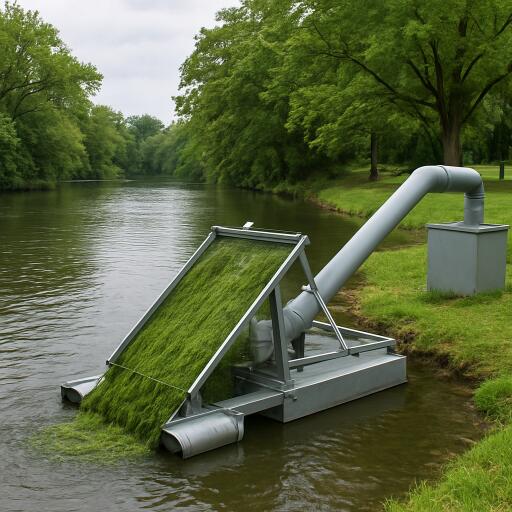
Maryland park tests river-cleaning system that grows algae, then removes the trapped waste
A pilot project at Bladensburg Waterfront Park is exploring an unusual way to improve water quality in the Anacostia River: growing algae on purpose.
The system, known as an algal turf scrubber, is designed to turn a familiar environmental threat into a cleanup tool. Instead of allowing excess algae to spread uncontrolled through the river, the device creates a managed surface where algae can grow, absorb pollutants, and then be removed along with the waste it captures.
How the system works
Algae naturally feeds on nutrients such as nitrogen and phosphorus, which often enter rivers through fertilizer runoff, stormwater, and wastewater. When too much of those nutrients builds up in open water, algae can multiply rapidly and trigger harmful blooms. As those blooms die and decompose, they drain oxygen from the water, creating conditions that can be deadly for fish, crabs, and other aquatic life.
The Maryland test system takes a different approach. It encourages algae to grow in a controlled environment, where it can pull nutrients, sediment, and some contaminants from the river before being harvested. During growth, the algae also contributes dissolved oxygen to the water, helping counter one of the most damaging effects associated with polluted waterways.
Why the Anacostia needs solutions like this
The Anacostia River has long faced pressure from urban runoff and legacy pollution. Excess nutrients and suspended solids cloud the water, strain habitats, and make restoration more difficult. In waterways like this, pollution does not just harm ecosystems; it can also reduce the appeal of parks and riverfront spaces used for boating, fishing, and recreation.
Technologies that intercept pollution before it spreads downstream are becoming increasingly important. By capturing waste materials early, they can help prevent larger ecological disruptions and reduce the burden on long-term cleanup programs.
A form of ecological engineering
The scrubber on the Anacostia is part of a wider movement in environmental technology that uses natural biological processes to solve infrastructure problems. Rather than relying only on chemical treatment or large mechanical systems, this method works with a living organism that is already central to the river’s nutrient cycle.
That does not mean algae is harmless in every setting. Unchecked growth remains a serious risk in nutrient-polluted waters. But when the process is contained and monitored, the same fast-growing biology can become a practical filter.
This makes the project notable not just as a local trial, but as an example of how cities may combine restoration and engineering in the same place. Wetland recovery, improved stormwater controls, wastewater upgrades, and targeted river-cleaning devices can all work together rather than as isolated fixes.
Potential benefits beyond water clarity
If systems like this prove effective over time, the benefits could extend well beyond cleaner-looking water. Healthier oxygen levels can support fish and aquatic plants. Reducing nutrient loads can lower the chance of destructive blooms. Cleaner rivers can also strengthen local recreation economies and make waterfront parks more inviting for nearby communities.
There may also be financial advantages. Pollution cleanup becomes more expensive when contamination spreads across an entire watershed. Catching and removing pollutants earlier could ease some of the long-term costs tied to habitat restoration, maintenance, and water treatment.
What this pilot could signal
The Bladensburg installation highlights a broader shift in river management: stopping pollution before it becomes a larger regional problem. Around the world, public agencies, researchers, and environmental startups are testing tools that trap trash, filter runoff, and reduce nutrient pollution closer to the source.
The Anacostia project fits that pattern. Its value lies not only in the algae it grows and removes, but in the idea behind it: using controlled natural processes to make damaged urban rivers more resilient.
For Maryland and the greater Chesapeake watershed, that could make this riverbank experiment more than a local curiosity. It may offer a practical model for cleaning waterways where nutrient pollution has proven difficult to manage through conventional methods alone.



Leave a Reply