

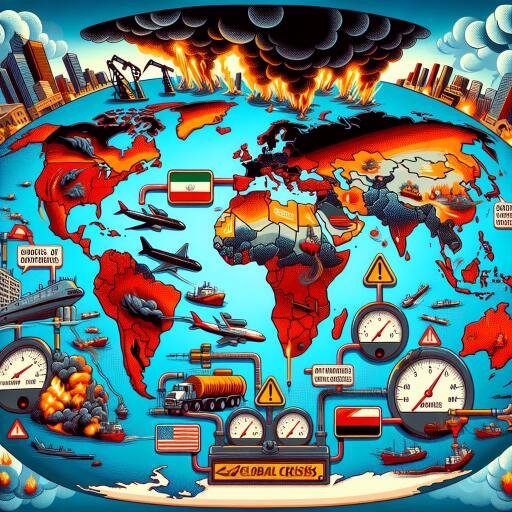
Middle East hostilities rapidly burn out global oil reserves
Global oil buffers are thinning at a startling pace as hostilities in the Middle East and heightened risks around the Strait of Hormuz squeeze seaborne flows. The world is drawing down stored crude far faster than it is replacing it, setting the stage for sharper price spikes, supply shortfalls, and a fragile energy-security landscape that collides head-on with climate goals.
Oil stockpiles shrink at breakneck speed
Independent market analyses indicate that between early March and late April, global inventories fell by roughly five million barrels per day on average—an extraordinary rate that eclipses past quarterly drawdowns. Visible commercial stocks now hover near multi-year lows not seen since the late 2010s. The depletion reflects multiple pressures: interrupted exports, war-risk premiums that deter shipping, surging insurance costs, and precautionary buying by importers seeking to hedge against further disruption.
Such rapid stock draws reduce the system’s “shock absorbers.” When storage tanks run lean, even minor outages—whether from weather, refinery hiccups, or further geopolitical incidents—can ripple quickly into prices at the pump and industrial fuel bills.
Volatility meets the climate bind
With reserves dwindling, the risk of severe price swings rises. Governments can release strategic barrels to dampen spikes, but these buffers are finite and politically fraught to deploy. High prices often trigger a rush to boost drilling—yet new supply takes time—while simultaneously suppressing demand, a tug-of-war that can amplify volatility.
From a climate perspective, the danger is a relapse into dirtier backstops: diesel generators for power stability, coal in electricity mixes, or heavy fuel oil in shipping when markets tighten. Each fallback adds carbon and air pollution just as the world needs steep emissions cuts. Meanwhile, steep energy costs squeeze households and food systems, since diesel and fertilizer prices cascade through supply chains.
A chokepoint under strain
The Strait of Hormuz remains the world’s most consequential oil transit corridor. Heightened tensions translate into delays, rerouting, and speed reductions, all of which increase freight emissions and costs. Longer voyages and idling tankers mean more fuel burned at sea, while stressed crews and congested lanes elevate accident and spill risks.
Any marine incident in these waters would imperil sensitive ecosystems—coral reefs, mangroves, and coastal nurseries—that support fisheries and protect shorelines. Cleanup operations in hot, saline waters are notoriously difficult, and the ecological scars can last decades.
Instability that outlasts the shooting
Even if fighting ebbs, a quick return to normal is unlikely. Rebuilding inventories takes time, and with storage cushions thin, the market will remain prone to jolts. Seasonal hazards—from hurricane seasons that threaten Gulf infrastructure to heatwaves that strain refineries—can compound scarcity in a warming world where weather extremes are intensifying.
Financial dynamics can magnify stress. When stocks are low, traders price a larger “risk premium” into crude, which can encourage hoarding behavior and further tighten prompt supply. The result is a feedback loop that keeps volatility elevated well after the immediate crisis fades.
What governments can do now
- Target demand quickly: expand public transit frequency, incentivize remote work during peaks, and deploy fuel-saving campaigns for freight and fleets.
- Protect households: deliver time-limited bill relief and efficiency upgrades; prioritize heat pumps and building insulation that cut both costs and oil dependence.
- Coordinate emergency stock policies: align strategic releases, refine-sharing agreements, and transparent auction schedules to cool panic and deter hoarding.
- Enforce safer, cleaner shipping: mandate slow steaming in sensitive zones, robust spill-preparedness, and routing that minimizes ecological risk.
- Accelerate clean power build-out: fast-track grid connections for renewables and storage to displace oil-fired power, and support electrified transport and logistics.
- Curb upstream waste: crack down on methane leaks and flaring in oil and gas operations, reducing climate impact while preserving usable supply.
- Stabilize markets: improve transparency on inventories and curb excessive speculation that can detach prices from physical fundamentals.
The bigger picture
This episode exposes how deeply global prosperity is tethered to a small set of vulnerable fossil corridors. Every fresh shock reminds us that energy security and climate security are inseparable: the surest way to defuse oil volatility is to need less oil. That means accelerating electrification, improving efficiency, and building resilient supply chains that don’t hinge on a single chokepoint.
As inventories dwindle and tempers flare, the choice is stark. Keep riding the boom-bust cycles of a combustible commodity—or invest, urgently and at scale, in an energy system that is cleaner, steadier, and far less hostage to the next crisis at sea.



Leave a Reply