

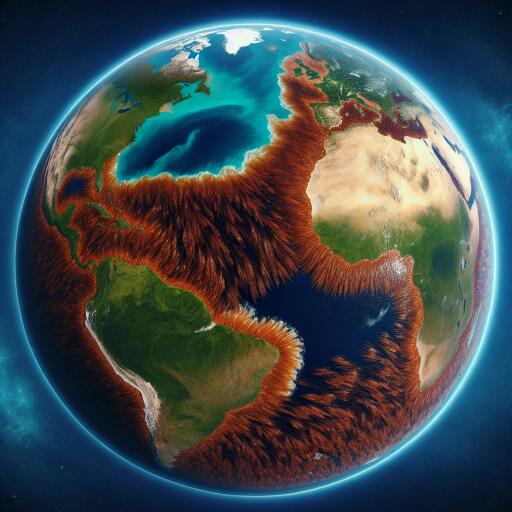
Video shows massive brown seaweed patch in Atlantic so big it can be seen from space
A sprawling mass of floating brown seaweed is stretching across the tropical Atlantic and piling onto Caribbean beaches in volumes that are hard to ignore. Recent footage from Mexico’s Caribbean coast shows knee- to waist-high mounds of sargassum swamping swimmers and smothering the shoreline—part of a transoceanic bloom so extensive it is visible from orbit.
A belt of seaweed that spans an ocean
The surge is part of what scientists call the Great Atlantic Sargassum Belt, an immense, free-drifting accumulation of seaweed that typically extends from West Africa across the tropical Atlantic into the Caribbean and Gulf of Mexico. It is considered the largest recurring macroalgal bloom on Earth. In the last 15 years, the phenomenon has intensified and become more frequent, with 2025 emerging as a record-setting season. Estimates indicate this year’s average sargassum volume was roughly 40% higher than in 2022.
Why the blooms are growing
Multiple drivers are converging to supercharge these blooms. Warmer ocean temperatures favor the growth of sargassum, and heat content in the tropical Atlantic has been trending upward. At the same time, nutrient enrichment is feeding the algae. Large river systems and coastal runoff deliver nitrogen and phosphorus into the ocean, creating a fertilized corridor where sargassum can proliferate. Plumes from the Amazon and Congo, as well as runoff from the Caribbean and the eastern seaboard of the United States, add to the nutrient stew. Seasonal winds and currents then stitch these patches together into a transatlantic belt.
While the exact balance of drivers can vary from year to year, a “perfect storm” of warm waters, abundant nutrients, and favorable circulation patterns has shifted the basin toward larger, more reliable blooms. Climate change is a key backdrop, amplifying heat, altering rainfall that flushes nutrients seaward, and influencing ocean circulation.
When a marine nursery becomes a coastal menace
In the open ocean, floating sargassum provides valuable habitat for fish, turtles, crabs, and a host of invertebrates. The problems arise when wind and current push the seaweed into coastal zones. There, thick mats block sunlight, reducing oxygen and shading sensitive ecosystems such as coral reefs and seagrass beds. Prolonged cover can stress or kill these communities, undermining fisheries and shoreline protection.
The impacts don’t stop at ecological damage. Once stranded on beaches, the seaweed begins to rot within a day or two, releasing foul-smelling gases—including hydrogen sulfide and ammonia—that can irritate eyes and lungs, particularly among people with asthma or other respiratory conditions. As decomposing sargassum breaks down, it can also leach contaminants like arsenic into runoff or leachate from beachside piles. In places like Mexico’s Yucatán Peninsula, where porous limestone geology allows rapid movement of water underground, there is concern that poorly managed sargassum waste could threaten groundwater quality.
Red zones and race-against-the-tide cleanups
Expecting another intense season, local authorities along Mexico’s Caribbean coast have designated more than a dozen beaches as red zones, signaling heavy accumulations and the need for frequent removal. Crews and volunteers have been raking, netting, and hauling seaweed by the ton, while offshore barriers and skimmers attempt to divert incoming mats before they hit the surf. These operations can reduce the worst beach impacts, but they are costly and struggle to keep pace when daily landings surge.
No quick fix—but emerging ideas
There is no simple way to stop a bloom that forms hundreds or thousands of miles offshore. Long-term solutions focus on two fronts: tackling root causes and finding safer end uses for harvested seaweed. Cutting nutrient pollution—from deforestation, agriculture, and sewage—would reduce the fuel that feeds blooms. That requires coordinated action across continents and watersheds.
At the same time, researchers and entrepreneurs are testing ways to transform sargassum from nuisance to resource. Trials range from biofertilizers and soil amendments to biochar, bioplastics, and building materials. One team recently demonstrated concrete-like panels that incorporate processed seaweed. Any large-scale use demands careful screening and processing to manage salt, heavy metals, and variable composition—especially if products are destined for farms or landfills near vulnerable aquifers.
What to watch next
As ocean heat records continue to tumble and extreme rainfall becomes more common, the ingredients for massive blooms are likely to persist. Better satellite tracking and early-warning systems can help coastal communities prepare, while upstream nutrient controls and sustainable waste management will be crucial to reduce impacts. For now, videos of chocolate-brown surf swallowing white-sand beaches offer a stark reminder: what happens in distant rivers and warming seas does not stay offshore—it rolls right back to our shores.



Leave a Reply