

Guimarães: Landscape Lab Seeks Vimaranenses’ Environmental Habits – PlusNews
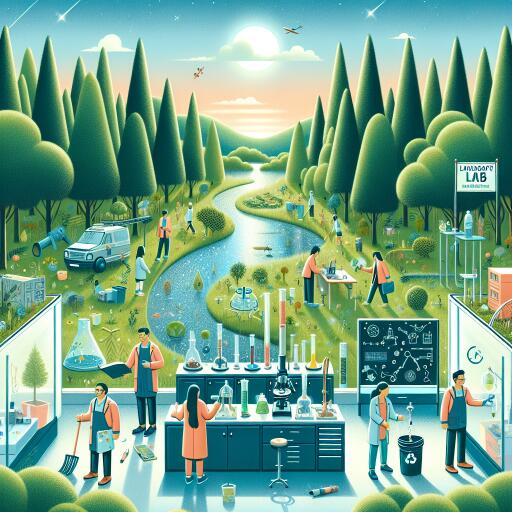
Guimarães is preparing to take the pulse of its environmental culture once again. In 2026, the Landscape Laboratory, working with the Operational Unit for Electronic Governance at the United Nations University, will launch a new survey to understand how residents perceive and practice sustainability in their daily lives. The effort aligns with the Guimarães 26 – European Green Capital program and the municipality’s broader sustainability roadmap.
This recurring study, conducted every five years, is designed to track change over time—how people sort their waste, manage energy and water, move around the city, and use parks and green corridors. By matching fresh responses with results from previous rounds in 2015 and 2021, researchers aim to draw a clear picture of how environmental behaviors in the municipality have evolved over a decade marked by mounting climate urgency and rapid urban transformation.
The survey will be available both face to face and online, expanding access and inclusion. Parish Councils will help spread the word and connect the initiative with local communities, ensuring a broad and representative sample across neighborhoods and age groups.
What the survey will explore
- Waste and recycling: sorting habits, reduction of single-use materials, and composting practices
- Water and energy: conservation measures at home, efficiency upgrades, and awareness of consumption
- Transport and mobility: commuting patterns, public transport use, cycling and walking, and car dependency
- Green and leisure spaces: how residents use parks, gardens, and natural areas, and what they value most
- Water resources: perceptions of river and stream health, flood risk, and nature-based solutions
- Environmental information: where people get their news, what guidance they trust, and what tools they need
Behind the checkboxes and ratings lies a practical goal: to translate everyday choices into actionable insights. Local decision-makers rely on this type of data to calibrate public policies—from waste collection schedules and mobility planning to tree-planting strategies and climate adaptation measures. Understanding where enthusiasm is high and where barriers persist helps the municipality focus investment and design programs that resonate with residents’ realities.
The timing is also significant. As Guimarães marks a landmark year on the European sustainability stage, the city is seeking not just recognition but evidence that community participation is driving results. Measuring what has shifted since 2015 and 2021—years that bookend a period of increased extreme weather, rising energy costs, and expanding green infrastructure—can reveal whether initiatives are landing effectively, which groups are being left behind, and how to close persistent gaps.
Researchers involved in the project emphasize that the survey’s strength depends on the breadth of participation. When more people respond—across ages, professions, and parishes—the analysis becomes sharper and more representative. That, in turn, improves the design of future programs, aligning budgets and timelines with the territory’s real needs. Even small actions, such as answering questions about recycling or mobility, can influence decisions about where to site bike lanes, how to manage water in drought years, or which educational campaigns to prioritize.
For residents, the process offers a moment of reflection. How often do we actually check our energy use? What keeps us from using public transport more regularly? Which green spaces do we visit, and why? The survey functions as a mirror, but also as a bridge—connecting individual behaviors to broader community goals such as climate resilience, cleaner air, quieter streets, cooler summers, and healthier rivers.
Guimarães’ strategy rests on the premise that environmental progress is co-created: institutions set targets and frameworks, but households and businesses determine whether change takes root. By inviting residents to share their views and routines, the city is reaffirming a model of governance where knowledge flows both ways—top-down through policy and bottom-up through lived experience.
As 2026 approaches, the call is simple: take a few minutes to participate. Each response will help map the municipality’s strengths, identify pressure points, and guide the next wave of climate and sustainability action. In a year when Guimarães seeks to exemplify European leadership, the most meaningful endorsement may come from within—thousands of voices shaping a greener, fairer, and more prepared city for the decade ahead.



Leave a Reply