

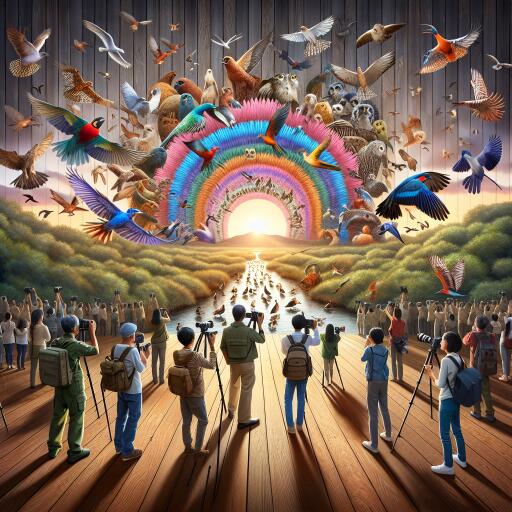
Audubon Photography Awards Celebrate Wildlife Storytelling and Offer Once in a Lifetime Prize
The 2026 Audubon Photography Awards are officially open, inviting creators to submit images and videos that reveal the lives of birds and the places they depend on. Now in its 17th year, the competition blends artistry and environmental insight—and this season’s top honor pairs a $5,000 cash prize with a rare voyage to Antarctica alongside HX Expeditions.
At its core, the program champions visual narratives that deepen public understanding of conservation. From intimate portraits of backyard songbirds to sweeping scenes of coastal rookeries, entries often illuminate both the beauty and the vulnerability of avian life. The awards continue to prove that impactful storytelling can cut through data noise, translate complex ecological issues, and move audiences to care.
A grand prize that merges exploration with science
The headline award doesn’t stop at recognition. Winners embark on an Antarctic journey designed to witness some of the planet’s most intact habitats—home to seabirds, penguin colonies, and other wildlife that thrive in extreme conditions. Guided excursions provide close observation without intrusion, while onboard experts help decode the behavior, adaptations, and pressures shaping these remote ecosystems.
In a powerful twist, the expedition folds citizen science into the experience. Participants collaborate with HX’s Science Center initiatives, contributing observations and environmental data that support ongoing research. It’s an uncommon opportunity: to document a pristine environment, learn directly from field specialists, and actively feed findings back into conservation efforts.
Who can enter and what to submit
Submissions are open through March 4, 2026, to residents of the United States, Canada, Chile, and Colombia. The competition welcomes every level of experience—from seasoned professionals to first-time entrants—recognizing that compelling perspectives can emerge from any background or backyard.
- Accepted formats: still photography and videography
- Emphasis: strong storytelling that connects birds, behavior, and habitat
- Eligibility: residents of the United States, Canada, Chile, and Colombia
- Deadline: March 4, 2026
By embracing both photos and video, the program broadens the way creators can interpret the natural world. Video entries capture flight, foraging strategies, and social interactions in real time, while still images can freeze micro-moments—like a precise wingbeat or a parent’s delicate exchange of food—that might otherwise go unnoticed.
Why bird imagery matters now
Birds are sensitive indicators of environmental change, and their stories mirror larger shifts in climate, land use, and biodiversity. The awards have evolved into a global conversation, featuring work from different regions and cultures to show how birds knit together ecosystems across continents. Powerful visuals cut across language and geography, making the case for habitat protection and climate resilience in ways that are memorable and relatable.
This year’s competition underscores ethical field practices as well. Responsible creators minimize disturbance, respect nesting and roosting sites, and prioritize the welfare of wildlife over the shot. That ethos keeps the focus where it belongs: on documenting nature in ways that safeguard it.
New tools, same mission
Technology has transformed field storytelling. Drones (where permitted), high-speed cameras, and cinematic techniques have opened fresh creative angles—revealing feather structure in fine detail or tracking motion at a scale once out of reach. Even as gear improves, the heart of the awards remains unchanged: to lift up narratives that inspire curiosity, empathy, and action for the natural world.
A call to creators
With entries now open, photographers and videographers across four countries have a chance to shape how audiences see birds—and, by extension, the health of our shared environment. The grand prize Antarctic expedition offers something rare: a fusion of art, science, and exploration that can reframe how we understand wild places. Whether you’re documenting a backyard visitor or a distant migratory spectacle, the story you tell could help protect the very subjects you capture.



Leave a Reply