

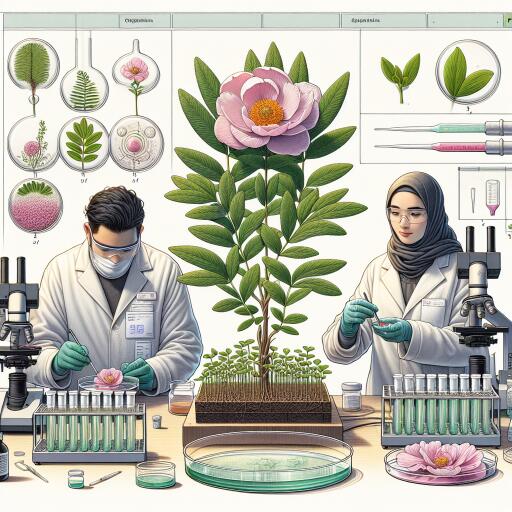
Advancing Paeonia emodi Conservation with In Vitro Techniques
High in the Himalayan arc, Paeonia emodi—celebrated for its medicinal chemistry and striking blooms—is slipping toward rarity under the combined pressure of overharvesting, habitat loss, and climate disruption. A new wave of lab-based propagation is giving this alpine peony a second chance, marrying ecology and biotechnology to rebuild resilient populations while easing pressure on wild stands.
Why this species matters
Paeonia emodi occupies cool, montane habitats where short growing seasons and niche soils shape its life cycle. Its roots and other tissues are valued in traditional therapies, and the plant’s ornamental appeal drives demand across horticulture. That commercial and cultural importance, however, has accelerated wild collection. With many populations fragmented and regeneration in the wild slow, an ex situ strategy that can scale quickly is essential.
The in vitro toolbox: fast, clean, and scalable
In vitro propagation—growing plant tissues under sterile, controlled conditions—offers a practical path to mass production and long-term preservation. A typical pipeline includes:
- Explant selection and sterilization: nodal segments or shoot tips are surface-sterilized to remove microbes without damaging meristems.
- Media optimization: balanced salts and vitamins (often MS-type formulations) are tuned with sugars and gelling agents to support growth.
- Growth regulation: cytokinin–auxin ratios are adjusted to trigger shoot initiation, multiplication, and later, rooting.
- Environmental control: cool temperatures, defined photoperiods, and gentle light intensities mimic alpine cues while maximizing vigor.
Once shoots multiply, they are rooted in auxin-enriched media and gradually acclimatized—transitioned from high humidity and low light to nursery conditions. The result is a pipeline capable of producing thousands of uniform plantlets from minimal starting material.
Conservation gains: more plants, protected genetics
Beyond sheer numbers, micropropagation helps safeguard genetic integrity. Clonal lines preserve the chemistry tied to therapeutic efficacy, while genetic fidelity checks—using standard molecular markers or barcoding—can screen for off-types. For particularly valuable or rare genotypes, slow-growth storage and cryopreservation of shoot tips or embryonic tissues add insurance against catastrophic loss, extending conservation from living collections to long-term germplasm banks.
From lab bench to mountainside
Propagation is only half the story. For conservation impact, plantlets must survive outside the lab. A robust reintroduction framework includes:
- Acclimatization protocols: staged hardening, antifungal hygiene, and soil mixes that mirror native substrates.
- Site selection: microhabitats with comparable elevation, moisture regimes, and shade patterns to reduce transplant shock.
- Genetic planning: distributing multiple lineages across sites to avoid bottlenecks and maintain adaptive potential.
- Post-release monitoring: survival, flowering, and recruitment tracked over seasons, with adaptive management if stressors emerge.
Botanical gardens, community nurseries, and protected-area managers can collaborate to scale this pipeline, transforming tissue-culture success into functioning, self-sustaining populations.
Cutting-edge enhancements
Several technical advances can boost outcomes for P. emodi and similar alpine taxa:
- Somatic embryogenesis and temporary immersion systems: higher multiplication rates with better plantlet quality and less labor.
- Microbiome-aware acclimatization: inoculation with beneficial mycorrhizae and rhizobacteria to improve nutrient uptake and stress tolerance.
- Chemotype tracking: linking metabolite profiles to clonal lines to ensure medicinal consistency without pressuring wild sources.
- Climate resilience screening: testing plantlets under heat or drought simulations to identify robust stock for future climates.
Ecology in focus: beyond the individual plant
True recovery means restoring interactions, not just individuals. Research on pollinator visitation, seed dormancy dynamics, and soil microbial associations will guide where and how to reintroduce plants. For peonies, double dormancy and slow germination often limit natural recovery; embryo rescue and dormancy-breaking treatments can complement micropropagation to diversify age classes in restored stands.
Building a bioeconomy that protects the wild
Mass propagation unlocks a practical conservation lever: shifting demand from wild collection to certified cultivated supply. Community-run nurseries and benefit-sharing agreements can create local revenue while preserving genetic resources. Quality assurance—traceable origin, chemotype certification, and pathogen screening—supports fair pricing and builds trust with herbal, cosmetic, and ornamental markets.
Policy and practice: a replicable model
Standardized protocols allow conservation networks to move faster: clean explant preparation, media recipes, contamination control, and acclimatization checklists can be shared across labs and gardens. Pairing these with seed banking and cryobanking creates redundancy—a best practice against fires, floods, and disease outbreaks that increasingly challenge mountain ecosystems.
What success looks like
Within a few propagation cycles, nurseries can supply restoration projects, public gardens, and growers with genetically verified plantlets. Over time, reintroduced populations flower and set seed, pollinator activity returns, and a mixed-age structure develops—signs of a system regaining momentum. Meanwhile, cultivated stock meeting industry needs reduces pressure on wild populations, aligning livelihoods with conservation outcomes.
A path forward
In vitro techniques are redefining what’s possible for threatened alpine flora. For Paeonia emodi, they offer speed, genetic safeguards, and a bridge from petri dish to protected hillside. With coordinated effort—labs, local communities, land managers, and policymakers pulling in the same direction—this approach can stabilize a flagship Himalayan species and serve as a template for conserving other high-value plants under climate and commercial strain.



Leave a Reply