

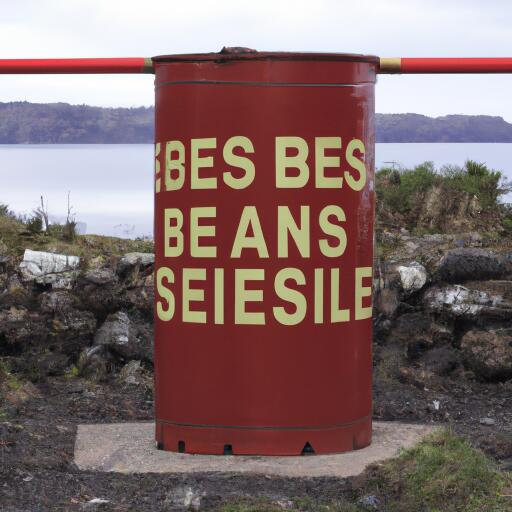
BESS firm provides fire well in Dunvegan
A new 16.3‑megawatt battery energy storage system (BESS) on the outskirts of North Glengarry is approaching grid connection, and with winter settling in, the project team has completed a key safety feature: a dedicated fire well near Dunvegan to ensure reliable water access for emergency response.
Developed by North Glengarry BESS Inc., an affiliate of Wahgoshig Solar FIT5 LP, the facility is progressing through final safety checks and commissioning steps. The project is required to meet standards set by the Electrical Safety Authority and the Ministry of the Environment, Conservation and Parks, in addition to municipal requirements from the Township of North Glengarry. As part of preparedness planning, local firefighters are receiving specialized training for incidents involving solar and battery systems, supported by guidance from the Ontario Association of Fire Chiefs and the Canadian Renewable Energy Association’s safety handbook for first responders.
Cold-weather water security for firefighting
Every BESS site in Ontario is reviewed to determine how much water is needed for firefighting and how it will be accessed, particularly in rural settings where hydrants are limited or nonexistent. In North Glengarry, the project initially relied on a temporary above-ground water supply over the summer, which the fire department inspected weekly. With freezing temperatures, that approach is no longer viable.
The newly installed fire well solves the cold-weather challenge by providing a stable, large-volume water source that’s protected from surface freezing. Located near Dunvegan, it not only supports emergency response at the BESS site but also enhances overall fire protection for nearby residents. Should an incident occur, firefighters can deploy a tanker shuttle operation: a rotating fleet of tanker trucks transports water from the fire well to portable pools set up at the scene, maintaining a steady flow even without hydrants.
This approach mirrors a successful precedent from 2017, when an underground reservoir was added in Glen Sandfield to strengthen the township’s firefighting capabilities. Together, these investments broaden rural fire coverage and help fulfill the safety requirements tied to modern energy infrastructure.
Why robust planning matters for battery storage
Battery storage is becoming a cornerstone of a cleaner, more flexible grid. By storing surplus electricity and releasing it during peak demand or when renewable generation dips, BESS projects can reduce reliance on fossil-fuel peaker plants and improve reliability. That climate and grid value must be matched with equally rigorous safety planning. Modern battery facilities layer multiple protections—monitoring, containment, and emergency protocols—while local response plans ensure crews have the training, equipment, and water access they need.
In cold climates, water logistics are a critical piece of that plan. A fire well provides resilient, year-round access for suppression and exposure protection, complementing the facility’s engineered safeguards. For communities like Dunvegan, the result is a dual benefit: a cleaner energy asset that supports the provincial grid, and an upgraded firefighting water source that can serve residents if needed.
Next steps
With the fire well now in service and emergency training underway, the BESS project is moving through final checks ahead of grid integration. Once online, the system is expected to play a supporting role in balancing electricity supply and demand, while the new water infrastructure strengthens local resilience through the winter and beyond.



Leave a Reply