

Climate warming in the United States is associated with increased deaths from heatstroke < Yale School of Public Health – ExBulletin
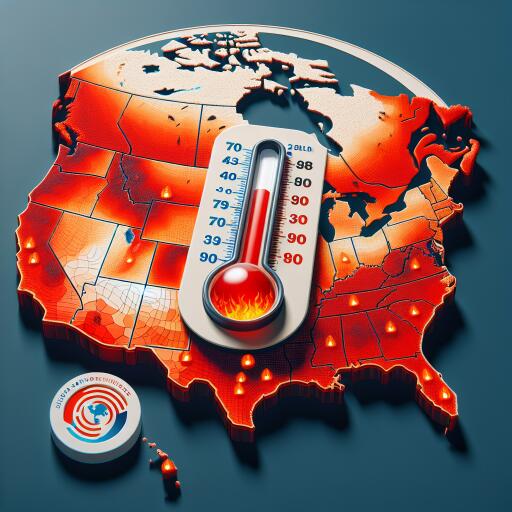
As the nation warms, extreme temperatures are exacting a growing toll on public health. A new analysis of mortality across the contiguous United States shows that while cold remains the leading temperature-related killer, deaths linked to heat have surged dramatically over the past two decades.
Researchers examined more than 54 million death records from 2000 through 2020, spanning every county in the lower 48 states. Using statistical models that factored in local climate conditions, humidity, and demographics, the study estimated short-term mortality risk in the week following exposure to unusually hot or cold days. The results are stark: temperature extremes—on both ends—consistently elevate the risk of dying, with cold accounting for the majority of excess deaths but heat climbing far more quickly.
Key trends
- Heat-related mortality rose by more than half between the 2000s and the 2010s. Annual deaths tied to high temperatures increased from roughly 2,670 to more than 4,000—an increase of about 53%.
- Cold-related mortality also increased, albeit more modestly—up around 7%—from approximately 44,000 yearly deaths in the 2000s to over 47,500 in the 2010s.
- On very cold days (around the 5th percentile for local temperatures), overall mortality risk increased by about 5.7% within a week. On very hot days (around the 95th percentile), risk increased by about 1.1%.
These figures underscore two realities. First, cold exposure remains a substantial and persistent driver of mortality in the United States. Second, as heat waves become more frequent, longer, and more intense, heat-related deaths are climbing rapidly—outpacing previous decades and reshaping the public health landscape.
Who and where are most at risk
Vulnerability is not uniform. The study highlights striking regional patterns and demographic differences:
- Regional disparities: The western United States bears a higher proportion of heat-related fatalities. Conversely, parts of the Southwest report a larger share of cold-related deaths, reflecting local climate variability, housing characteristics, and acclimatization.
- Age and social factors: Younger, single adults were more susceptible to heat, while older adults, women, and those who are widowed or divorced faced heightened risk from cold. These patterns likely reflect differences in health status, social support, housing, and access to temperature control.
How heat and cold kill
Extreme temperatures stress nearly every system of the body, but the pathways differ:
- Cold exposure was linked to higher deaths from cardiovascular, respiratory, and metabolic diseases. Cold can constrict blood vessels, raise blood pressure, exacerbate breathing problems, and increase the risk of infections.
- Heat exposure was associated with increased cardiovascular deaths and a rise in “external” causes, including injuries and accidents such as traffic crashes, falls, and drowning. Heat can impair judgment and reaction times while straining the heart and kidneys.
Climate context and demographic pressure
The 2010s rank among the warmest years recorded in the United States, and recent years have pushed global averages to new highs. Extreme heat days are becoming more common, while cold spells are also capable of driving harm when infrastructure, housing, and health systems are unprepared. Importantly, the upward trend in temperature-related deaths reflects not only rising temperatures but also demographic change: population growth and aging expand the number of people vulnerable to environmental stressors.
What this means for public health
The findings point to an urgent need for climate-smart health strategies, especially as heat danger escalates. Practical steps include:
- Early warning systems and public outreach tailored to local thresholds, with clear guidance on hydration, cooling, and recognizing signs of heat illness and hypothermia.
- Targeted protections for high-risk groups: home weatherization and efficient heating for older adults in cold-prone communities; access to cooling, shaded public spaces, and energy-bill assistance during heat waves for low-income households and those living alone.
- Workplace safeguards: heat standards for outdoor and indoor labor, adequate breaks, shade, and water—especially critical for agriculture, construction, and delivery sectors.
- Urban design and infrastructure: tree canopy expansion, cool roofs and pavements, transit shelters, reliable power grids, and backup power for health facilities and community centers.
- Safety measures during heat extremes: adapting transportation operations, improving water safety outreach, and expanding fall-prevention programs for older adults.
A shifting map of risk
By covering every county over two decades, the analysis reveals that temperature-related mortality patterns are changing in places not traditionally seen as high risk. Communities that historically relied on milder climates may face growing threats as averages rise and extremes intensify. Accounting for local acclimatization is essential: what constitutes “extreme” in one county differs from another, yet the health impact remains tangible when temperatures depart sharply from the norm.
The bottom line
Cold continues to drive the largest share of temperature-related deaths in the United States, but heat is the faster-growing hazard in a warming climate. Without swift investments in adaptation—paired with efforts to limit further warming—heat-related mortality is likely to keep rising. The evidence is clear: temperature is a major, modifiable risk factor. Reducing exposure and vulnerability can save lives today, even as longer-term climate solutions are pursued.



Leave a Reply