

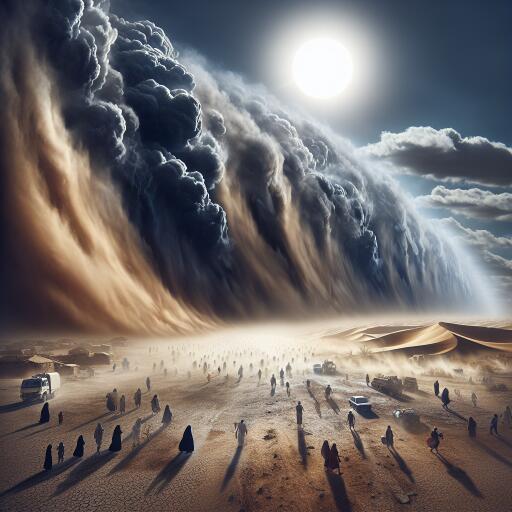
Drought, sand storms, evacuations: How Iran’s climate crisis gets ignored
As headlines fixate on missiles, ceasefires and geopolitical maneuvering, a slower disaster is unfolding across Iran. A cascade of drought, land subsidence, pollution and decades of mismanagement is reshaping daily life for millions, yet it draws scant attention beyond local and Persian-language outlets. Climate change is accelerating these threats, but the crisis is rooted in choices that have drained aquifers, diverted rivers and built an economy on fragile water systems.
A capital on the brink of running dry
Tehran, a megacity of more than 10 million, is facing one of its most severe water shortages in living memory. Reservoirs supplying the capital have fallen to levels not seen in nearly seven decades. The Karaj dam—among the city’s crucial sources—has a storage capacity of about 25 million cubic meters and is reported to be roughly 86% empty. With supply so tight, basic services are under strain and the risk of deeper shortages looms.
The ground is sinking
In central Iran, the crisis is literally swallowing the land. Isfahan and surrounding areas are experiencing alarming rates of subsidence tied largely to the over-extraction of groundwater for agriculture. More than 90% of the country’s water use is tied to farming, and the imbalance is now creating sinkholes, cracked roads and structural hazards. In Tehran, authorities have evacuated schools and sections of roads due to collapse risks—an extraordinary measure that underscored the scale of the emergency.
The ecological scars are everywhere: wetlands and rivers shrunk or gone, iconic lakes turned into salt flats, and dust rising from desiccated soils. Once these systems cross ecological thresholds, recovery can take decades—if it’s possible at all.
Southern skies turned brown
Earlier this year, southern provinces endured waves of sand and dust storms so intense that thousands sought hospital care. Transport networks were disrupted and power infrastructure strained. Such storms are becoming more frequent and more severe as soils dry, wetlands disappear and regional weather patterns shift in a warming climate. Yet these events drew minimal coverage beyond Iran’s borders, despite their sweeping health and economic impacts.
War overshadowed an environmental emergency
International coverage of Iran in recent months has centered on conflict, sanctions, espionage and nuclear brinkmanship. Even when the country’s environmental troubles surface in global reporting, they are often framed chiefly as fallout from military developments. Local assessments have warned that recent strikes on oil storage sites near the capital released tens of thousands of tons of greenhouse gases and contributed to air pollution. They also flagged contamination risks to groundwater and soils from industrial wastewater and urban sewage, alongside pollution from noise, vibration, heat and radiation. These harms compound an already dangerous baseline.
Inside the country, news agendas have often mirrored this focus on security. Only after the guns quieted did some outlets devote more attention to water stress and land collapse. The overall picture remains consistent: audiences see plenty of war, far less of the creeping catastrophe beneath it.
What’s driving the crisis
Iran’s environmental unraveling stems from a powerful mix of long-term policy choices and climate pressures. Key drivers include:
- Chronic overuse of groundwater for irrigation, depleting aquifers faster than they can refill.
- Decades of dam building and water transfers that disrupted river systems and wetlands.
- Weak enforcement of water allocations and unregulated well drilling.
- Urban growth and industrial expansion that outpaced environmental safeguards.
- Hotter, drier conditions and more erratic rainfall patterns in a warming climate.
Together, these forces tighten a vicious cycle. As water grows scarce, farmers dig deeper wells; as aquifers sink, land settles and cracks; as wetlands dry, dust storms intensify; as the air worsens and temperatures rise, power demand climbs, triggering outages and further disruptions. The impacts ripple across health, food security, jobs and migration.
Why the world should pay attention
Iran’s plight mirrors vulnerabilities across the Middle East and North Africa, one of the world’s fastest-warming regions. Droughts, flash floods, and sand and dust storms are escalating in frequency and severity. With rivers drying and power grids faltering, communities are facing a slow violence that rarely fits the breaking-news template. But the costs—human, ecological and economic—are already profound.
Neglect is dangerous. When environmental stories are sidelined, the public loses sight of the structural problems and the solutions that could alleviate them. Water accounting and transparency, crop switching to less thirsty plants, better irrigation, protection and restoration of wetlands, and enforcement against illegal wells are not headline-grabbing measures, but they save lives and livelihoods. Investments in air-quality monitoring, early warning for dust and heat, and health surveillance can reduce the toll of extreme events. Regional cooperation to manage shared dust sources and watersheds is essential.
No ceasefire for climate risks
Conflicts draw cameras; climate and environmental breakdown rarely do. Yet one will shape the other: water stress fuels displacement and instability, while conflict tears the very systems needed to adapt. Climate change will not pause for a truce. Failing to reckon with Iran’s environmental emergency today invites a deeper crisis tomorrow—one measured not in explosive moments but in parched taps, sinking streets, toxic air and the steady erosion of a nation’s life-support systems.



Leave a Reply