

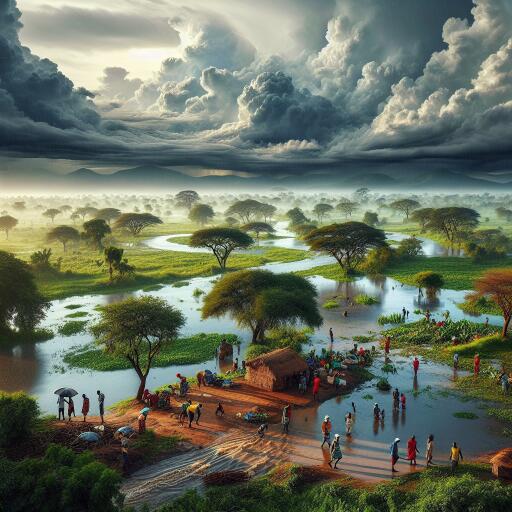
Zambia will receive above normal rainfall between Dec, Jan – Minister – Zambia: News Diggers!
Zambia is bracing for a wetter-than-usual rainy season, with authorities warning of heightened flood risks as the heart of the season approaches. The latest government outlook indicates that the country is expected to receive normal to above-normal rainfall during December and January of the 2025/2026 season, while the broader Southern African region is projected to see increased precipitation between December and February.
What the forecast signals
Presenting the seasonal outlook to Parliament, the Green Economy and Environment Minister said the country’s rainfall performance is likely to intensify as the season advances, with the heaviest totals clustering in December and January. The projection points to a meaningful probability of both flash flooding in urban and peri-urban areas and riverine flooding in low-lying basins as streams and major rivers respond to sustained rains.
The assessment underscores that, while elevated rainfall can recharge groundwater, replenish wetlands, and boost moisture for crops, it also increases the likelihood of soil erosion, infrastructure damage, and disruptions to transport and power systems if preparedness measures lag behind.
Regions expecting an early start
According to the ministerial statement, several provinces are likely to see early rainfall activity beginning in October. These include Northwestern, Western, and Southern provinces, as well as parts of Lusaka, Luapula, and Northern provinces. Early showers in these zones can help kick-start land preparation and planting, but they also call for vigilance against sudden downpours that may overwhelm local drainage.
Flood risk on the rise
With wetter conditions forecast for the peak of the season, authorities caution that the following hazards may become more prominent:
- Rapid-onset flash floods in towns and informal settlements with limited drainage capacity.
- Riverine flooding along major watercourses and floodplains after sustained rainfall events.
- Damage to roads and bridges, leading to temporary isolation of communities and supply chain delays.
- Increased sedimentation and bank erosion affecting waterways and dams.
Implications for key sectors
A wetter season brings both opportunities and challenges across the economy:
- Agriculture: Adequate soil moisture can support maize, rice, and legume production if planting windows are carefully chosen. Farmers are encouraged to manage fertilizer timing to avoid leaching, protect fields with contouring or cover crops where feasible, and diversify to hedge against localized flood losses.
- Energy: Improved inflows to major reservoirs could stabilize hydropower generation later in the season. However, dam operators may need to manage rapid rises in inflows to balance power needs and downstream flood safety.
- Health: Heavy rainfall often correlates with spikes in waterborne diseases. Strengthening water, sanitation, and hygiene services, along with timely public health information, will be critical in high-density areas.
- Transport and trade: Persistent rains can degrade road surfaces and trigger washaways. Early maintenance, culvert clearance, and contingency routing can reduce disruptions.
Preparedness steps urged
With the forecast signaling stronger rains, government agencies, local councils, and communities are being encouraged to act early. Practical steps include:
- Clearing drainage channels, unblocking culverts, and reinforcing embankments in flood-prone zones.
- Pre-positioning relief supplies and updating evacuation plans for settlements near rivers and wetlands.
- Supporting farmers with localized advisories on planting dates, seed varieties suited to wetter conditions, and soil conservation practices.
- Improving waste management to prevent refuse from clogging stormwater systems.
- Strengthening early warning communication through community radios, text alerts, and local leadership networks.
Balancing benefits and risks
Above-normal rainfall can be a lifeline after dry years, replenishing reservoirs and sustaining ecosystems from miombo woodlands to vital wetlands. Yet these benefits materialize only when the country is ready for the intensity and variability that now characterizes the rainy season. The minister emphasized that preparedness across sectors—agriculture, water resources, energy, public health, and infrastructure—will determine whether the season delivers stability or strain.
As the 2025/2026 rains build, the message is clear: act early, adapt plans to evolving forecasts, and safeguard communities most exposed to floods. With coordinated planning and timely information, Zambia can harness the season’s moisture while minimizing the costs of extreme weather.



Leave a Reply