

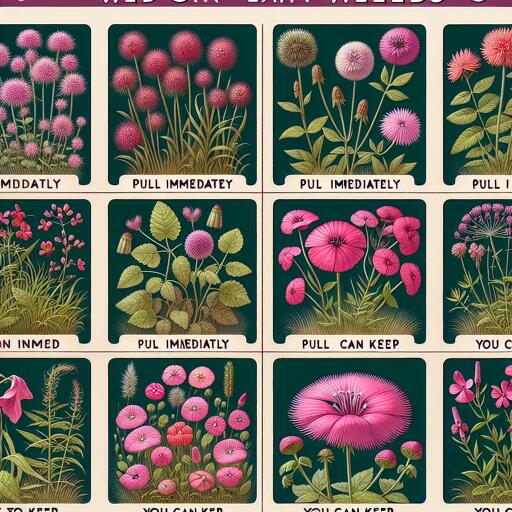
8 Pink Lawn Weeds You Should Pull Immediately (And Ones You Can Keep)
Lawns are changing. Across neighborhoods, clipped turf is giving way to meadow-like patches that buzz with pollinators and need less water and mowing. That shift is good news for biodiversity—but not all pink-flowering “lawn weeds” deserve a free pass. Some are habitat bullies that outcompete native plants, disrupt soil, and spread fast. Others are gentle, low-growing bloomers that can share space without causing ecological harm. When in doubt, consult your state’s invasive species list and act early: seedlings are easier to manage than established stands.
Pull These Pink Bloomers Without Hesitation
-
Crown vetch (Securigera varia)
A vigorous creeper with 2–6-foot stems and pom-pom clusters of pale pink to white flowers May–August. It smothers native groundcovers and forms monocultures, especially on slopes and roadsides. Uproot entire crowns and rhizomes; repeat checks through the season.
-
Field bindweed (Convolvulus arvensis)
White funnels tinged pink and arrowhead leaves betray this notorious twiner. Stems snake over six feet, strangling nearby plants and forming dense mats. Exhaust the root system by persistent hand-pulling and mulching; monitor every two weeks for resprouts.
-
Himalayan balsam (Impatiens glandulifera)
Tall (up to 6 feet) with hooded pink blossoms on dark red, hollow stems and serrated leaves. It overruns moist habitats and destabilizes streambanks. Remove before seed set; bag all material—explosive seed pods can scatter widely.
-
Shining geranium (Geranium lucidum)
Glossy, lobed leaves form a low, dense mat sprinkled with five-petaled pink flowers. Seeds eject when ripe, colonizing new ground rapidly. Hand-pull after rain for easier roots, and keep patrolling for seedlings for several years.
-
Spotted knapweed (Centaurea stoebe)
Thistle-like, spiky pink flowerheads on upright stems to 3 feet. It alters soils and suppresses neighbors, displacing native flora. Pull rosettes before flowering; bag seedheads. Expect a long seedbank—return annually to remove recruits.
-
Common mallow (Malva neglecta)
Low-growing with large, round, palmate leaves and pale pink, five-notched petals. It survives mowing and spreads by hardy seeds that persist in soil. Hand-weed young plants; remove the taproot to prevent regrowth and curb seed set.
-
Spreading dogbane (Apocynum androsaemifolium)
Native but troublesome: arching red stems, drooping green leaves, and pale pink, bell-shaped flowers. Milky sap is toxic to people and pets. Wear gloves and long sleeves; dig out rhizomes and dispose carefully. Do not compost.
-
Redstem filaree (Erodium cicutarium)
Hairy, fern-like leaves and clusters of small pink flowers form ground-hugging mats. It adapts to varied sites and can crowd out other plants. Pull early in spring; target before seeds mature, and repeat after rains.
Pink Charmers You Can Keep (With Caveats)
-
Violet wood sorrel (Oxalis violacea)
Heart-shaped leaflets in trios and dainty pink-to-lavender blooms in spring, sometimes again in fall. A native nectar source that behaves politely in lawns. Easy to thin by hand if it wanders.
-
Pink purslane (Portulaca pilosa)
A succulent wildflower with fleshy leaves and vivid pink blossoms that pop in warm weather. Pretty in dry, sandy patches, but toxic to pets and horses—remove if animals graze your yard.
-
Red clover (Trifolium pratense)
Rosy, tufted flowerheads and trifoliate leaves lend a meadow look while fixing nitrogen and feeding bees. Allowed in many lawns, but it can be problematic in some regions—thin or mow before seed set if spread concerns you.
-
Field madder (Sherardia arvensis)
Low, starry whorls of leaves topped with tiny pale-pink clusters from winter into summer. An annual that’s easy to limit by mowing and hand-pulling. Remove before seed if you want a tidier sward.
Smart Control, Healthier Lawns
- Act early: seedlings and small patches are simpler to remove than mature stands.
- Pull after rain for easier root removal; bag all reproductive parts and dispose with trash, not yard waste.
- Prevent seed spread: avoid mowing when invasive weeds are flowering or seeding.
- Revisit sites: many species resprout or release seeds over years—persistent follow-up is essential.
- Build competition: overseed with regionally native grasses and forbs to occupy open soil and support pollinators.
- Use herbicides judiciously, if needed, and follow label directions; consult local extension services for region-specific guidance.
- Safety first: wear gloves and protective clothing, especially with sap-bearing species.
Embracing a wilder lawn doesn’t mean surrendering it to invasive pink bloomers. With a keen eye and timely action, you can keep the ecological benefits—pollinators, soil life, and seasonal color—while protecting the native plant community under your feet.



Leave a Reply