

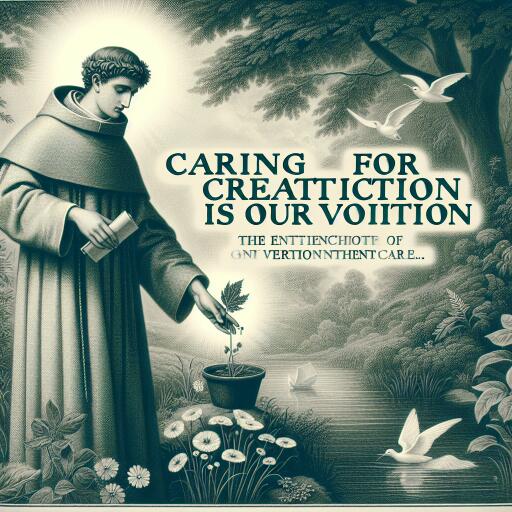
Pope Leo XIV: Caring For Creation Is Our Vocation
Pope Leo XIV opened the new Laudato si’ Village at Castel Gandolfo, framing the site as a concrete blueprint for ecological conversion and a community where faith, science, and daily life reinforce one another. The initiative, originally imagined during the pontificate of Pope Francis, blends spiritual formation with education, heritage landscapes, regenerative agriculture, art, and clean-tech solutions—an integrated campus designed to safeguard both people and planet.
A Village Shaped by Welcome
Entering through the historic gates, the Pope greeted families, staff, and volunteers along a shaded avenue, underscoring a central theme: genuine care for creation begins with hospitality and the defense of human dignity. The Village’s design invites visitors to slow down, pay attention to living systems, and rediscover the bonds that connect us with one another and with the Earth.
Integral Ecology, Lived on the Ground
Traveling across the grounds in an electric cart—a quiet nod to low-carbon mobility—the Pope paused in the Little Madonna Garden, where he had previously celebrated a liturgy devoted to the guardianship of creation. He reiterated a call to rethink lifestyles and choices that weigh heavily on our common home, encouraging a shift toward practices that protect the vulnerable and restore ecosystems.
Beyond the garden walls, the route wound past archeological remains, orchards, and curated plantings. Workers and their families received thanks for tending more than 3,000 plant species cultivated on site, a living archive of biodiversity. A tranquil pond dotted with water lilies and shimmering Japanese koi invited contemplation, part of a broader effort to place beauty and rest alongside stewardship and labor.
At a biodynamic vineyard, the Pope met farmers and blessed the animals—including sturdy horses that are part of the site’s agricultural life—underscoring that integral ecology embraces both the care of nature and the dignity of work. Here, regenerative farming is not a theory but a daily discipline, aligning soil health, water conservation, and animal welfare with fair livelihoods.
Technology in Service of Community
The Village’s new greenhouse anchors its commitment to clean energy and circular systems. The structure functions as a zero-emissions, multifunctional hub: part classroom, part lab, and part gathering space. It houses a Higher Education Centre focused on ecological sustainability, where students, researchers, and community leaders can test, scale, and share solutions—from renewable energy integration and sustainable mobility to water reuse and climate-resilient cultivation.
Inside this light-filled space, the Pope presided over a Liturgy of the Word and a rite of blessing, accompanied by sacred music that helped frame the ceremony as both a celebration and a commissioning for the work ahead.
“Care for Creation” as a Human Calling
Reflecting on the Gospels, Pope Leo XIV urged a renewed attentiveness to the more-than-human world, noting that every creature bears a purpose within creation’s fabric. He emphasized that stewardship is not reserved for specialists; it is the shared vocation of all people. The Village, he said, should be read as a “living laboratory” where spiritual practice, everyday choices, and appropriate technology harmonize rather than compete.
In this vision, sustainability is not a trend but an ethic that animates community life: a place where renewable energy reduces burdens on the poor, where biodiversity is cherished, and where innovation is measured by the justice and peace it helps cultivate. The Village’s integration of prayer, public space, and practical know-how seeks to demonstrate that ecological conversion can be beautiful, attainable, and profoundly human.
A Prayer for Earth and the Human Family
The celebration concluded with a prayer for creation. It asked for the grace to recognize every creature as a gift, for wisdom among civic and economic leaders to advance the common good, and for courage within communities to protect life in all its forms. The hope expressed was simple and bold: that actions begun here will help nurture a world marked by justice, peace, love, and beauty.
As the day drew to a close, the message resonated across gardens and greenhouses alike: caring for creation is not an optional extra, but the heart of a vocation that calls each of us to live with gratitude, restraint, and solidarity. In the Laudato si’ Village, that calling takes on bricks-and-mortar shape—a seedbed where faith fuels innovation and where the future is cultivated, one attentive decision at a time.



Leave a Reply