

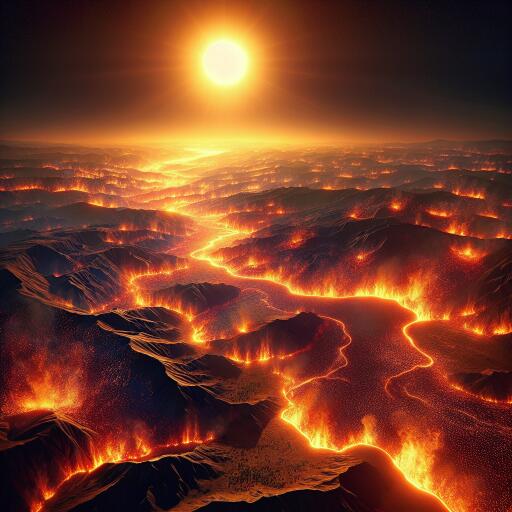
Climate change made Iberian wildfires 40 times more likely, study finds
Extreme heat and parched conditions that set the stage for this year’s explosive wildfires across the Iberian Peninsula are now about 40 times more likely than they were before humans began rapidly burning fossil fuels, according to a new analysis. The same weather patterns have also intensified by roughly 30% compared with the preindustrial era, making fast-moving, high-intensity fires increasingly difficult to control.
What the analysis shows
The assessment, conducted by the World Weather Attribution initiative, examined the specific cocktail of weather conditions—sustained heat, low humidity and desiccating winds—that allowed flames to race across parts of Spain and Portugal. Researchers focused on a blistering August stretch, which included Spain’s hottest ten-day period on record, as documented by the national meteorological agency AEMET. The study zeroed in on how frequently such “fire weather” now occurs and how much more intense it has become in today’s warmer climate.
While the work stops short of a full event attribution that would quantify the exact influence of climate change on individual fires, it provides clear evidence that the underlying weather drivers have shifted markedly in a warming world. The researchers reached their conclusions by analyzing observations rather than running climate models, a choice that allowed for a rapid assessment of how current conditions compare to those of the past.
Fire season’s deadly toll
The 2025 fire season has been punishing. In Spain and Portugal, at least eight people have died, more than 35,000 residents have been forced to evacuate, and over 640,000 hectares have burned—an area accounting for roughly two-thirds of all wildfire losses in Europe this year. The scale reflects not just ignition sources but the increasing persistence of heat and dryness, which turn vegetation into fuel and enable flames to spread with alarming speed.
How researchers reached their conclusions
To understand how unusual recent conditions were, the analysis compared contemporary weather observations with historical records. The team evaluated the frequency and intensity of compound extremes—high temperatures paired with dry air and low fuel moisture—that are known to heighten fire risk. The findings align with what is expected in a warming climate: hotter heatwaves, drier landscapes and longer windows each year when forests and shrublands are primed to burn.
Crucially, the study emphasizes that climate change raises the baseline. Even without a specific spark, warmer conditions reduce fuel moisture and increase the likelihood that small fires will become large ones. During the peak August heat, this background risk was amplified, helping explain the rapid spread that overwhelmed firefighting resources in several regions.
Reducing risk on the ground
While the climate signal behind extreme fire weather is strengthening, the analysis highlights practical steps that can reduce the severity of future seasons by limiting available fuel and slowing fire spread. Among the measures recommended:
- Targeted vegetation removal using machinery to thin dense, fire-prone areas.
- Managed grazing by sheep, goats and horses to lower grass and scrub loads, particularly in wildland–urban interface zones.
- Prescribed, low-intensity burns under carefully controlled conditions to reduce accumulated fuels before peak heat.
These actions, combined with early-warning systems and land-use planning that limits new construction in high-risk corridors, can make communities more resilient even as the climate continues to warm.
The bigger picture
The Mediterranean basin is a hotspot of climate vulnerability where warming is outpacing the global average, intensifying droughts and heatwaves and extending fire seasons. The Iberian Peninsula sits at the crossroads of these trends. As summers become longer and hotter, the window of time when forests are critically dry is expanding, increasing the chance that an ignition—whether from lightning, power lines or human activity—will escalate into a major wildfire.
The new analysis underscores a sobering reality: the baseline risk has changed. Reducing greenhouse gas emissions remains essential to stabilize the climate and curb the pace at which fire weather intensifies. In parallel, immediate, local actions to manage fuels and prepare communities can help limit the damage in the seasons ahead.



Leave a Reply