

What Is Ecology Class? Explore The Basics! – Green Packs
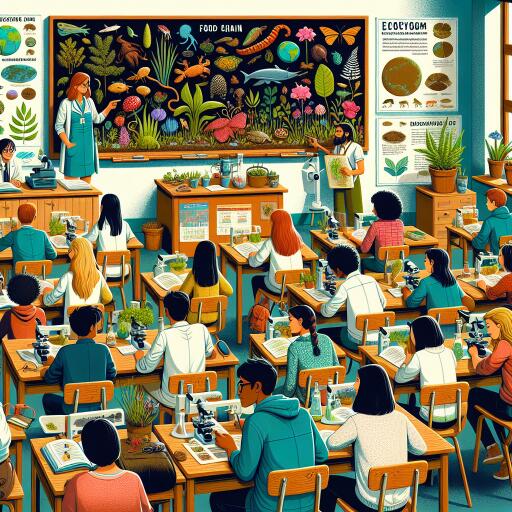
Ecology classes provide an essential framework for those captivated by the intricate workings of the natural world. Students venture into understanding the interactions between organisms and their surroundings, forming a complex network that supports life on Earth. Through ecological education, learners unravel the delicate relationships that delicately shape ecosystems, from the minute microorganisms to the majestic mammals. The classroom becomes a dynamic space for delving not only into scientific knowledge but also its crucial role in addressing environmental issues, preserving biodiversity, and promoting sustainable practices.
One of the most engaging aspects of studying ecology is the emphasis on experiential learning. Educators often integrate traditional instruction with active experiments, field excursions, and even digital simulations. Imagine stepping out of the classroom to observe a nearby habitat, collecting data on plant life, monitoring animal activities, and analyzing soil compositions. These tangible experiences elevate the educational journey by linking theoretical concepts to actual ecological occurrences. Such immersion allows students to witness firsthand the delicate equilibrium within ecosystems, rendering the learning experience far more vivid than textbooks alone can offer.
Ecology courses cover an array of compelling topics that pique students’ curiosity. Individuals explore population dynamics, community interactions, and the factors that influence ecosystems, including climate change, habitat devastation, and pollution. Engaging with ecological models or investigating energy flows through food webs—learning about producers, consumers, and decomposers—stimulates critical thinking. This complexity prompts students to analyze situations and reflect on the broader implications of human actions on ecological stability.
Collaborative projects form a cornerstone of ecology classes, enhancing teamwork skills while delving deeper into research subjects. Whether crafting a study on local biodiversity or exploring the impact of invasive species, group work develops a collective spirit among participants. Each member contributes unique insights and skills, fostering an environment that encourages both effective communication and a shared responsibility for grasping ecological principles.
Ethical considerations frequently arise, compelling students to examine their perspectives on nature and conservation. Pondering questions about humanity’s relationship with the environment and the moral duty to protect endangered species stimulates discussion. Ethical dilemmas involving genetic modification, habitat loss, and climate measures often incite vigorous debate. This part of the curriculum nurtures a sense of accountability, urging individuals to contemplate the repercussions of environmental choices at personal, communal, and international levels.
The reach of ecological principles extends beyond biology, intertwining seamlessly with subjects like chemistry, geology, and geography. Students gain an appreciation for how ecological insights influence agricultural practices, urban development, and public policy. By connecting these diverse fields, ecology classes prepare students to tackle environmental issues with a multifunctional approach, providing the knowledge to draft comprehensive, actionable solutions. This broadened perspective illuminates the interdependence of various scientific realms, an understanding essential in our rapidly evolving world.
As we delve further into the subject, technology becomes increasingly vital in ecology education. Many instructors now utilize Geographic Information Systems (GIS), remote sensing, and data analytics within their teaching. These technological tools empower students to visualize environmental data, monitor changes over time, and engage in more thorough research. Mastery of these tools not only hones analytical proficiency but also prepares students for potential careers in conservation biology, environmental consulting, and sustainable resource management.
The influence of climate change on ecological curricula is profound. Conversations about the impact of global warming on ecosystems are essential; students acquire insights into how rising temperatures impact species distribution, migration pathways, and food security. Case studies often focus on specific areas, highlighting the distinct challenges faced by various ecosystems. Analyzing these case studies aids in understanding the intricacies of climate impacts and fosters a sense of urgency in safeguarding vulnerable environments.
Evaluation in ecology classes varies, combining traditional exams with creative projects, presentations, and field reports. This variation enables a holistic assessment of student comprehension and encourages exploration beyond rote memorization. Students may find themselves writing research papers or conducting presentations on ecological restoration projects, providing avenues to express their insights while refining their public speaking abilities. These diverse assessment methods ensure that students from varied backgrounds can demonstrate their strengths.
Alongside academic growth, ecology courses cultivate a personal connection to nature. Engaging with the subject often fosters a deeper appreciation for the environment. Whether nurturing a personal garden, volunteering for conservation efforts, or enjoying contemplative walks in nearby parks, students often feel compelled to contribute positively to their surroundings. This connection frequently translates into lifelong habits that support sustainability and raise awareness about ecological concerns.
Ultimately, participating in an ecology class transcends mere academic learning about ecosystems; it prepares students to become custodians of our planet. Every lesson, field trip, and discussion contributes to building a foundation for understanding and addressing global environmental challenges. Through embracing this interdisciplinary subject, students equip themselves to confront the complexities of a changing world, nurturing a dedication to sustainability and conservation that extends far beyond the classroom.
In conclusion, engaging in an ecology class offers a multifaceted and enriching experience. From active learning and teamwork projects to deep discussions on ethical issues and climate change impacts, each aspect contributes to a rounded understanding of Earth’s interlinked systems. This journey inspires both academic accomplishment and personal growth, prompting future generations to approach ecological stewardship with knowledge, compassion, and determination.



Leave a Reply